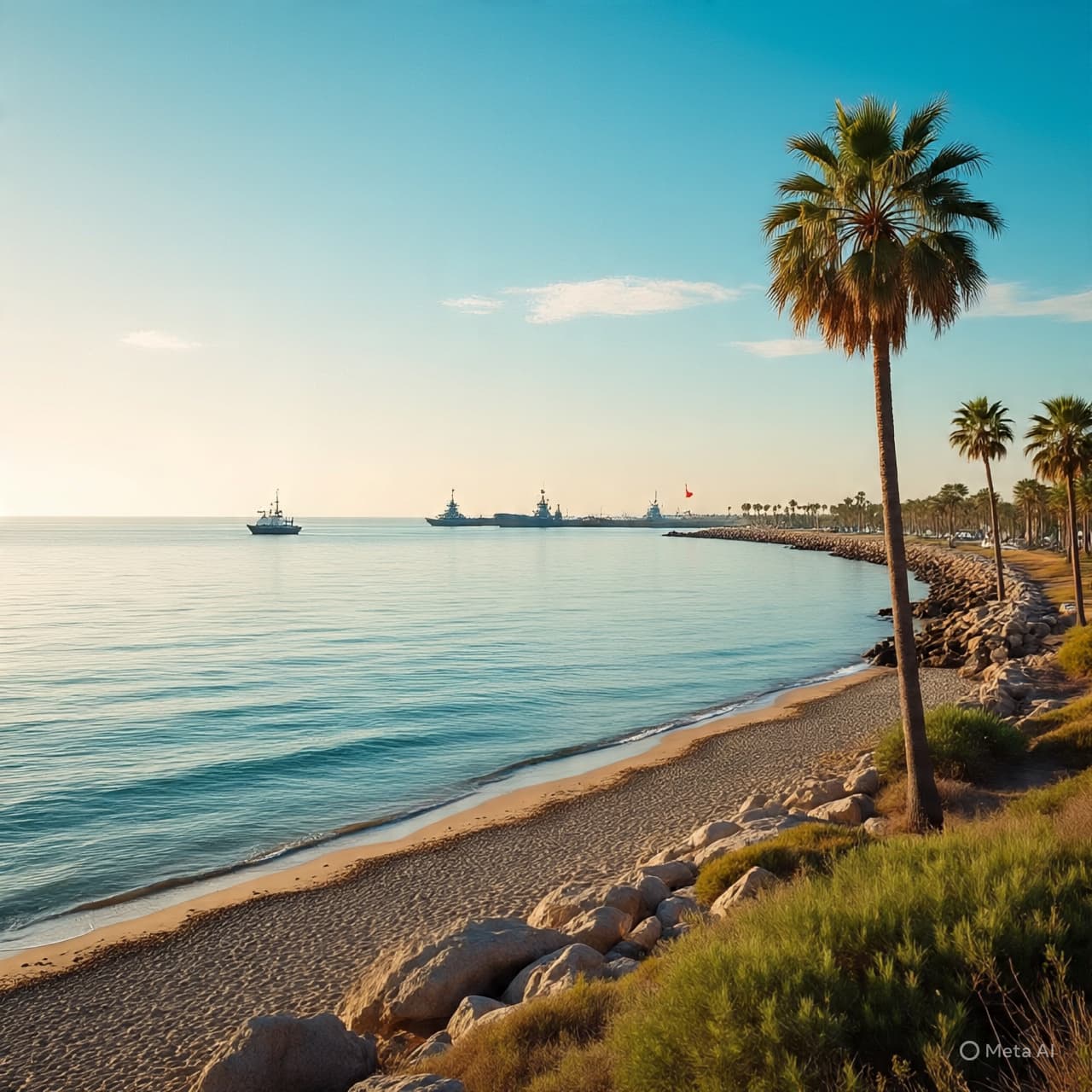
A late afternoon sun hung low over the Gulf, scattering light across restless waters and the silhouettes of distant islands. The air, heavy with heat and salt, carried whispers of tension that had grown into statements both stern and unmistakable. From Tehran, a message traveled across the region: Iran cautioned Gulf states against allowing their lands to be used for operations in support of the United States and Israel, framing the warning not merely as rhetoric but as a marker of strategic intent.
Diplomats and analysts in the region note that Iran’s statements are as much about signaling as they are about deterrence. The Gulf, with its intertwined economies and vital shipping lanes, has become a theater where words and military presence move in tandem. Behind the official warnings lies a history of careful calculation, where alliances and proximity define the rhythm of engagement, and where every coastal airfield or port becomes a note in a broader symphony of strategic consideration.
For those on the ground, daily life continues, yet it is subtly altered. Traders watch the skies as fighter jets pass overhead. Shipping captains adjust routes with an awareness sharpened by recent tensions. Even the wind over the desert carries a weight of unease, reminding all that in this region, the landscape itself is never neutral; it listens, observes, and reflects the currents of power moving across it.
The warning also resonates in corridors far from the Gulf, where policymakers weigh responses, calibrate sanctions, and coordinate military readiness. Iran’s message underscores the stakes: supporting one side in the conflict between nations like the U.S. and Israel, the statement suggests, may invite consequences that ripple across borders and seas. As night falls and the first stars appear over the Gulf, the tension remains, quiet but present, a shadow that stretches across both land and diplomacy.
AI Image Disclaimer Visuals are AI-generated and serve as conceptual representations.
Sources Reuters Al Jazeera BBC News The Guardian CNN
Published by Banx Network. This article is part of the Banx decentralized media programme, powered by the BXE token on the XRP Ledger.