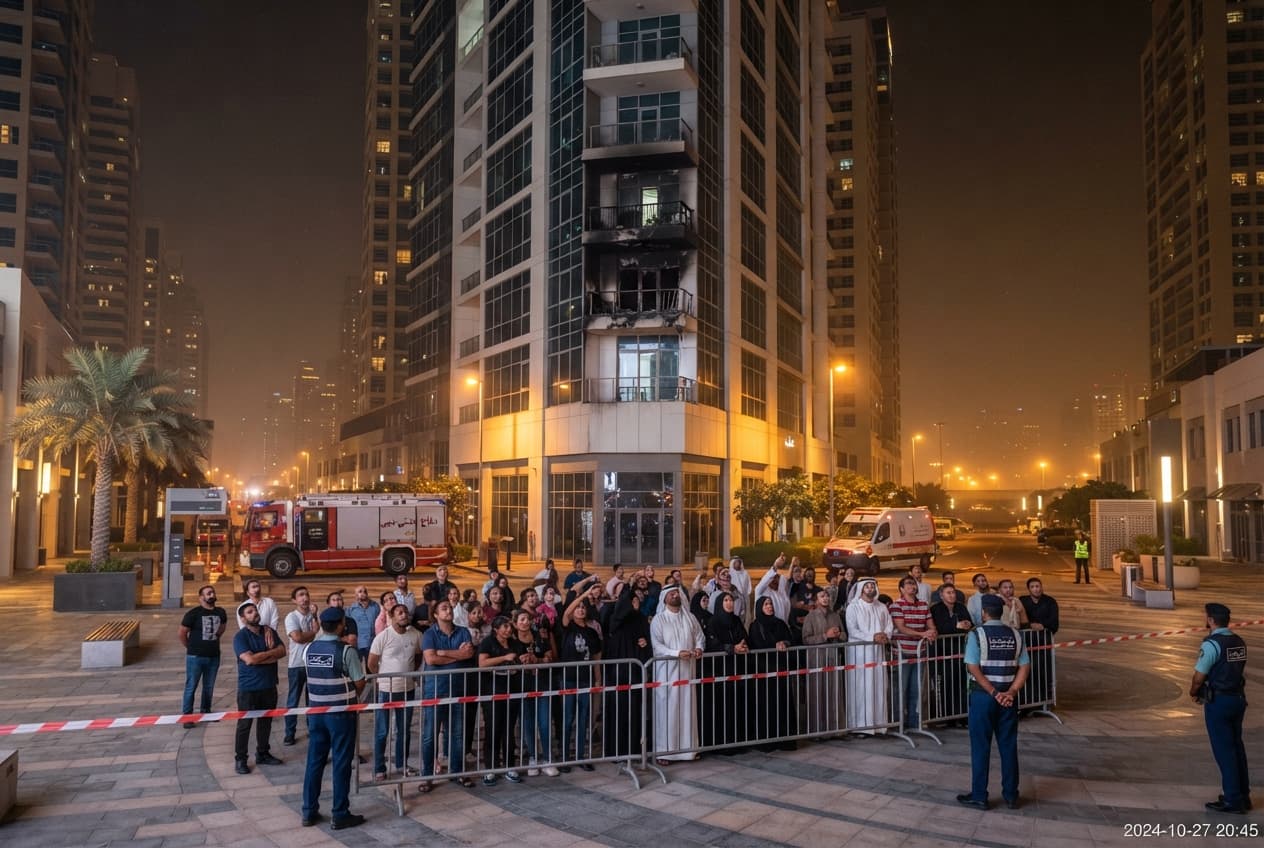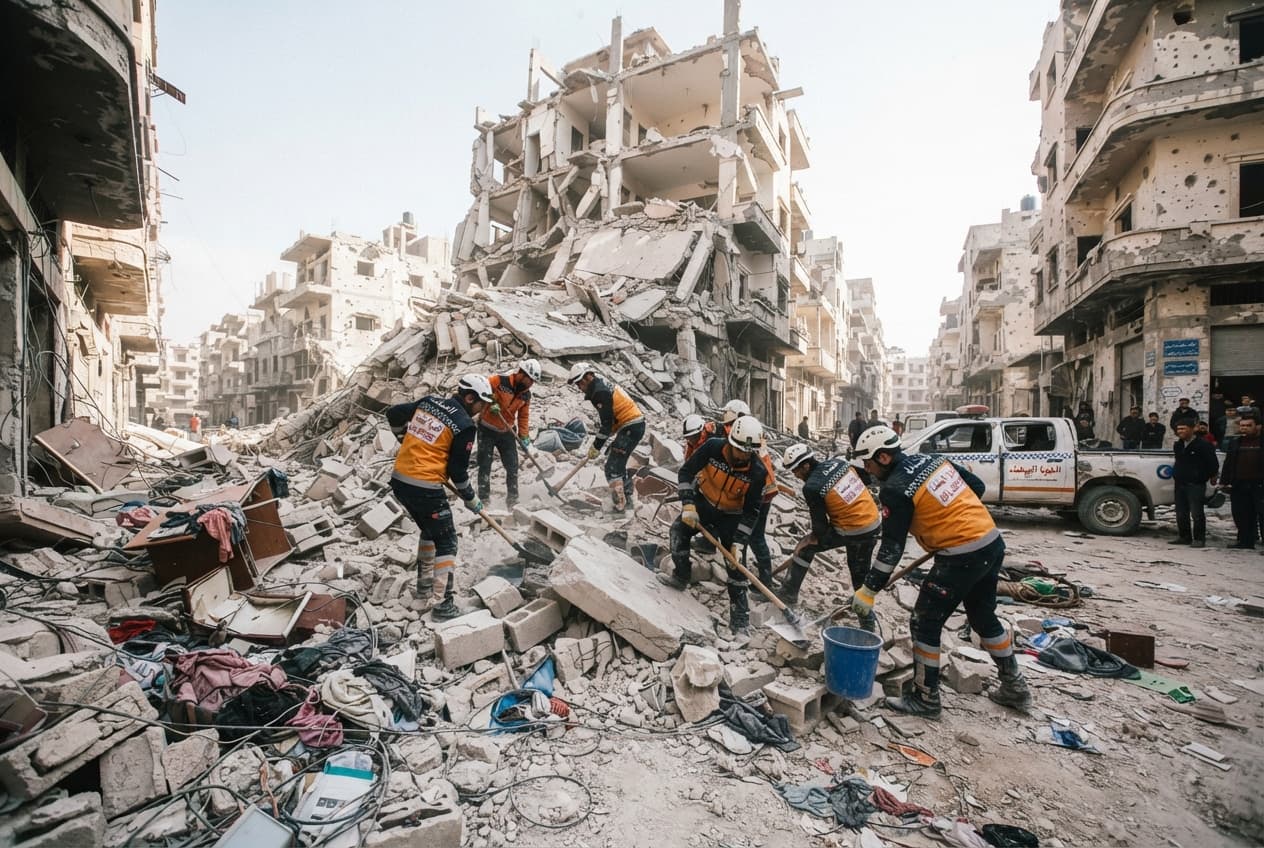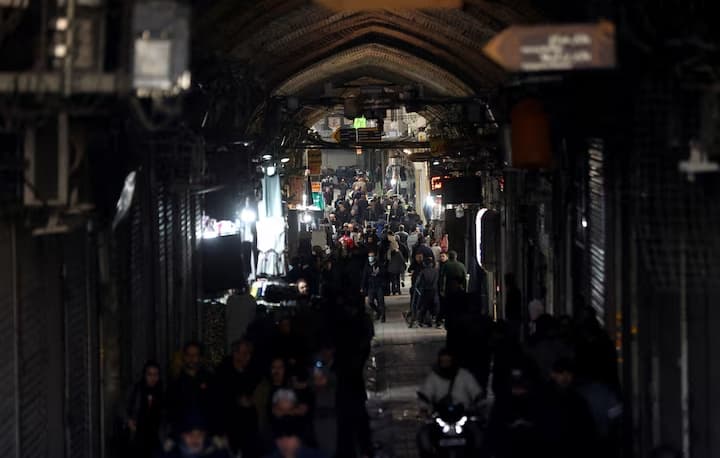
In recent days, Iran has witnessed widespread protests in response to escalating economic challenges, including rising inflation and unemployment. Demonstrators took to the streets in various cities, expressing their anger over the government’s handling of the economy.
Eyewitness accounts suggest that protests began peacefully, with citizens marching and chanting slogans demanding economic reforms. However, tensions escalated quickly as clashes broke out between protestors and security forces. Reports indicate that several people have lost their lives due to confrontations, with the official number of casualties remaining unclear.
The Iranian government has imposed restrictions on media coverage of the protests, making it difficult to ascertain accurate figures and details. Nonetheless, social media platforms have become a crucial tool for activists to disseminate information about the ongoing unrest.
Economic analysts attribute the current crisis to a combination of international sanctions, mismanagement, and the ongoing global inflation crisis. Many Iranians are struggling to afford basic necessities, leading to widespread disillusionment with the government.
As protests continue, calls for reform are growing louder. The Iranian leadership faces pressure to address the root causes of the unrest, including demands for job creation, increased wages, and transparency in economic policies.
International observers are closely monitoring the situation, urging the Iranian authorities to respect the right to peaceful assembly and to listen to the grievances of their citizens. The future remains uncertain as protests show no signs of abating, and the government’s response could shape the course of the nation’s socio-political landscape.
Published by Banx Network. This article is part of the Banx decentralized media programme, powered by the BXE token on the XRP Ledger.