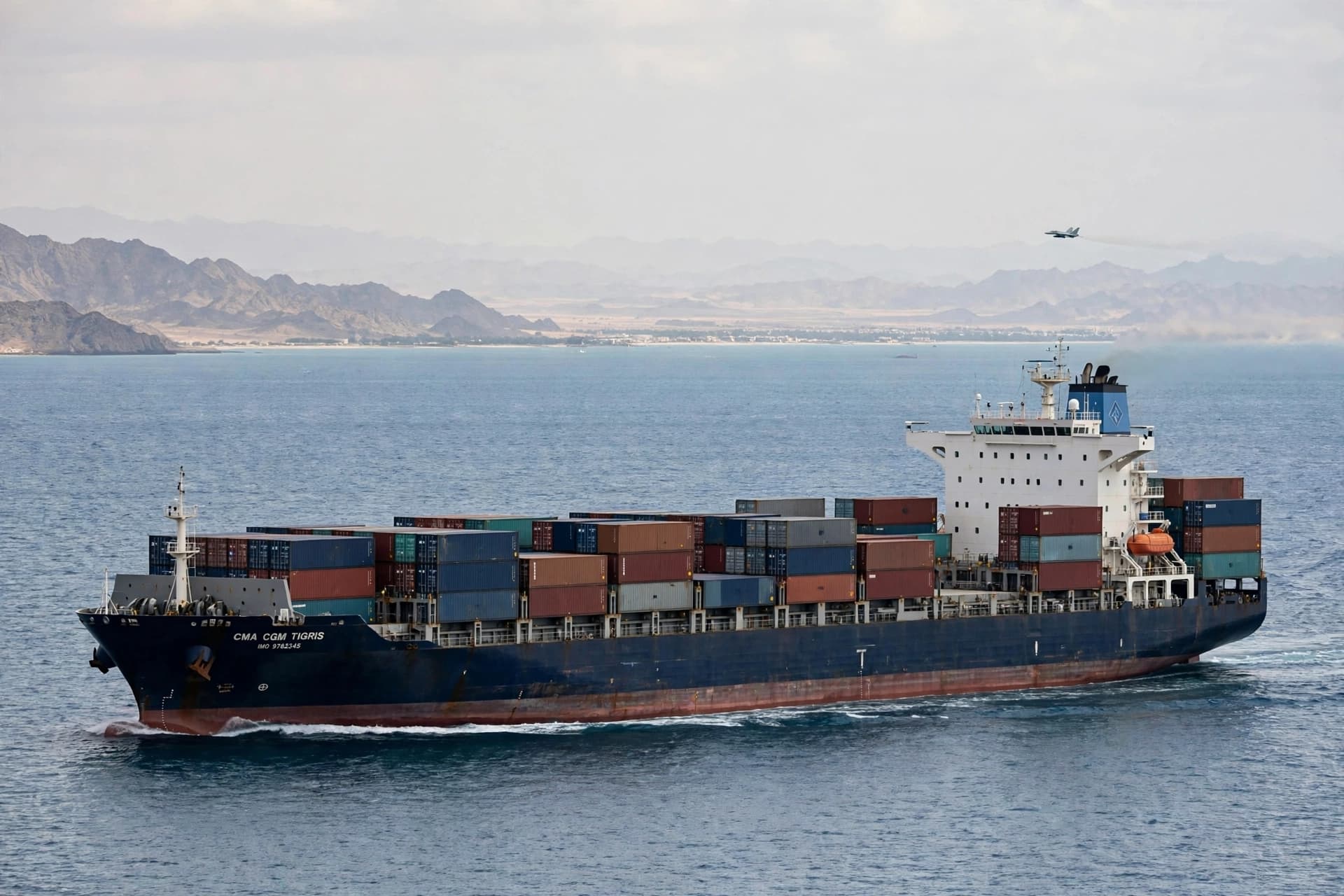
it was reported that seven U.S. allies are in discussions to establish a coalition focused on securing the Strait of Hormuz, a critical corridor for global oil transport where about 20% of the world’s oil passes through. This move follows recent military actions by Iranian forces that have disrupted shipping routes, leading to heightened fears in various countries reliant on these maritime shipping lanes.
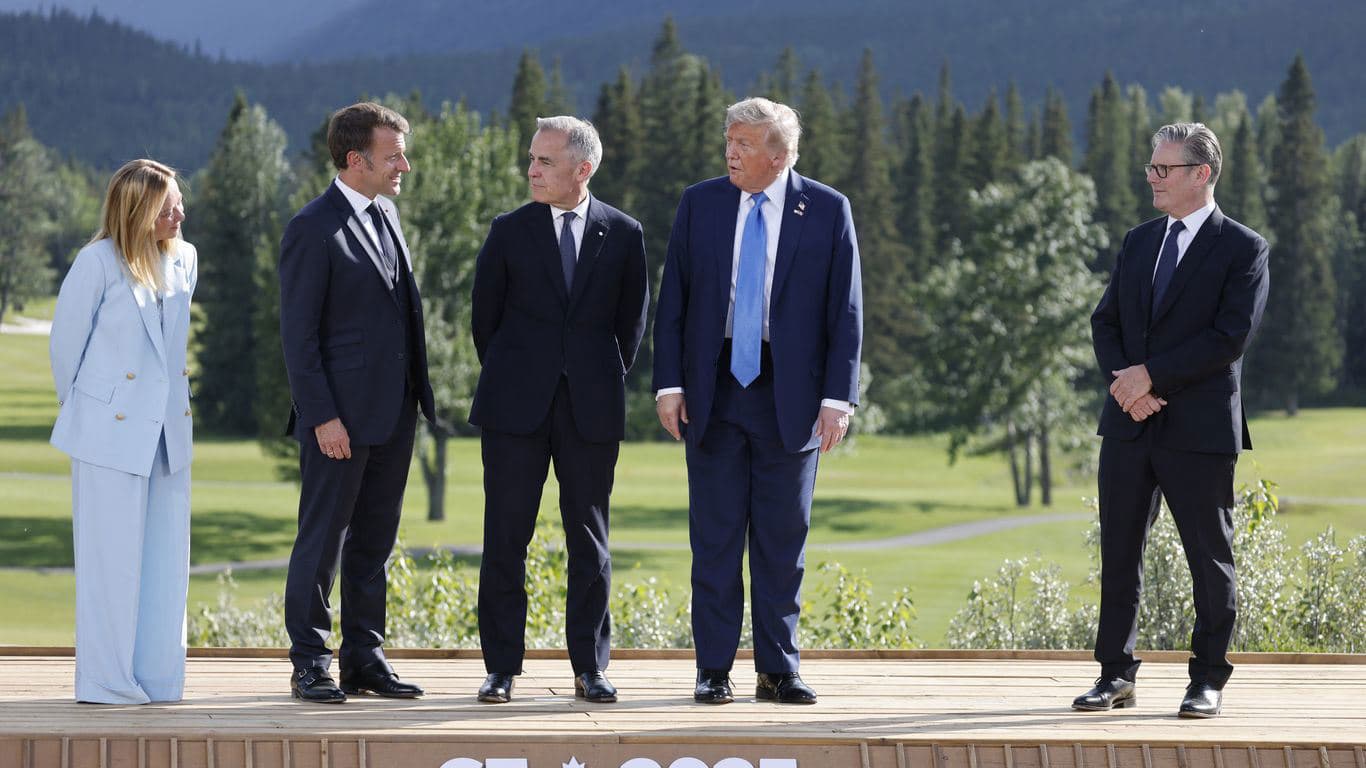
Among the nations reportedly considering this coalition are Great Britain, France, Germany, South Korea, Japan, Australia, and Canada. Each of these countries recognizes the importance of a stable and secure maritime environment, particularly amid rising tensions linked to U.S. and Israeli military engagements with Iran.
French President Emmanuel Macron has announced that France is prepared to participate in escort missions once conditions allow for it to be separated from ongoing military operations. Other nations, however, have displayed hesitance, indicating they are cautious about the implications of direct military involvement in the area.
U.S. President Donald Trump, in recent statements, emphasized the urgency of the situation, appealing to allies for support while also criticizing NATO members for their reluctance to engage militarily in the Middle East. He remarked on social media that most of NATO does not wish to involve themselves in U.S.-led operations, indicating a perceived imbalance in the alliance’s commitments.
While discussions among these nations indicate a shared interest in collective security, the differing national policies and concerns about military entanglement in a volatile region remain significant hurdles. The situation is further complicated by ongoing political considerations at home for many leaders, who must weigh public opinion against international obligations.
As the dialogue progresses, it remains to be seen how these countries will navigate their commitments to ensure secure shipping routes while balancing their political landscapes and international diplomacy efforts. The urgency of the matter reflects broader geopolitical trends and tensions in the region as nations strategize to protect vital energy transportation lines.
Published by Banx Network. This article is part of the Banx decentralized media programme, powered by the BXE token on the XRP Ledger.