Justice, when it finally arrives after years of silence, can feel like a thunderclap in a long drought. In Damascus, the capital of a nation scarred by over a decade of conflict, a court has issued a death sentence against former president Bashar al-Assad. The trial, conducted in his absence, marks a pivotal moment in Syria’s painful journey toward accountability. This event invites reflection on the complexities of transitional justice and the symbolic weight of legal verdicts in post-conflict societies. It is a story where the past is judged by the present, even as the future remains uncertain.
The proceedings took place before the Fourth Criminal Court, focusing on charges of war crimes and crimes against humanity committed during the uprising and subsequent civil war. Assad, who fled the country following the collapse of his regime, was not present to hear the verdict. Absence does not erase responsibility. The law seeks its due.
For many Syrians, the sentence is a culmination of years of suffering and advocacy. Civil society groups have documented atrocities and pushed for transparency, often at great personal risk. Their persistence has helped keep the demand for justice alive. Voice empowers the voiceless. Memory preserves truth.
However, the practical implications of an in-absentia sentence are limited while the former leader remains outside Syrian jurisdiction. International cooperation will be necessary for any potential enforcement, a prospect that remains diplomatically challenging. Reality constrains idealism. Politics shapes law.
Critics argue that trials without the accused can lack full procedural fairness, yet supporters view them as essential for establishing a historical record. The verdict serves as a formal condemnation of the actions taken by the regime. Condemnation validates pain. Record prevents denial.
As Syria navigates its post-Assad era, the focus shifts to rebuilding institutions and fostering reconciliation. Legal accountability is just one piece of a larger puzzle that includes economic recovery and social healing. Justice is a process, not an event. Healing takes time.
A Syrian court has sentenced former president Bashar al-Assad to death in absentia for war crimes and crimes against humanity. The verdict highlights the ongoing efforts for transitional justice in Syria. The hope is for continued progress toward accountability and national reconciliation.
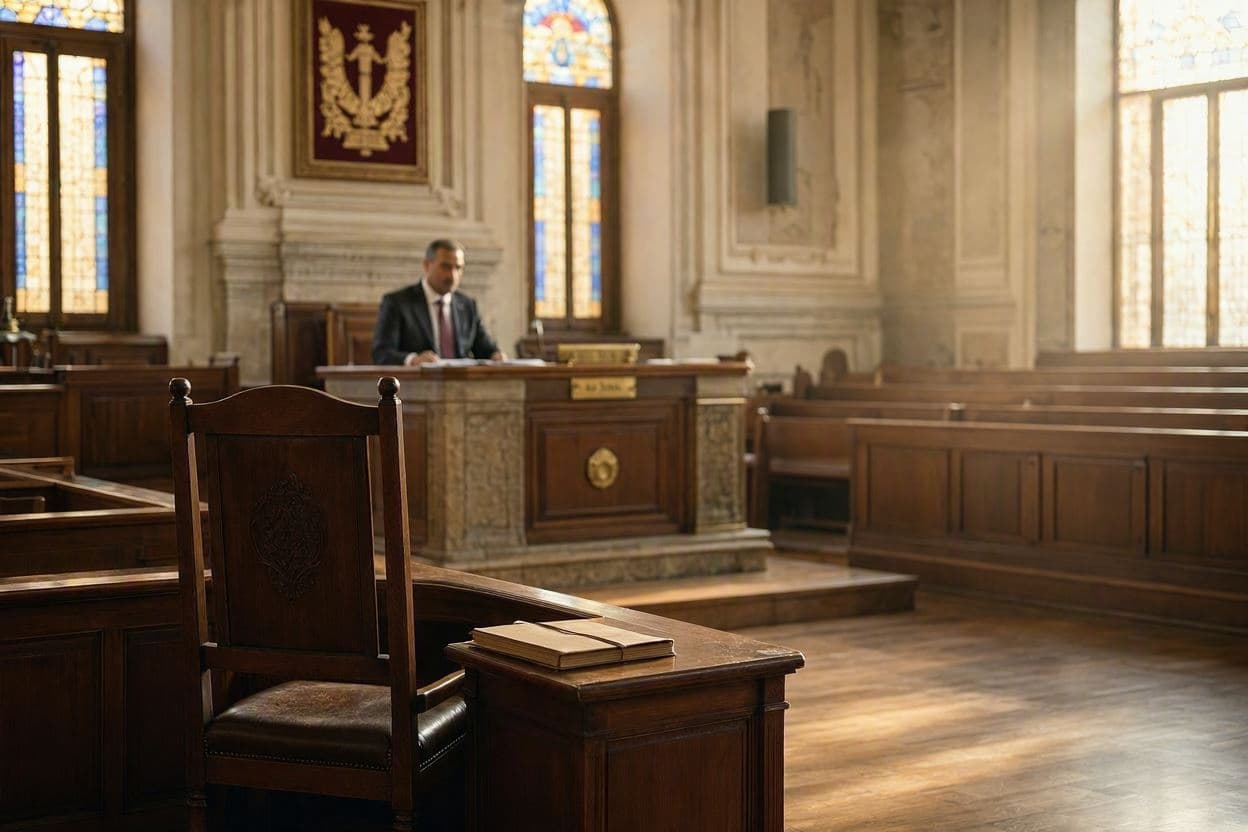
AI Image Disclaimer: The visual elements accompanying this report are AI-generated interpretations designed to reflect the legal and political context of the story.
Sources: Al Jazeera Syrian Network for Human Rights Atlantic Council
Published by Banx Network. This article is part of the Banx decentralized media programme, powered by the BXE token on the XRP Ledger.