In the solemn theater of justice, where truth is sought through the careful weighing of facts, the boundaries of admissible evidence define the stage upon which a trial unfolds. As the community of Chapel Hill prepares for the trial concerning the tragic death of a University of North Carolina student, a recent judicial ruling has narrowed the scope of what will be presented to the jury. The decision to limit evidence regarding third-party guilt serves as a reminder of the delicate balance between a defendant’s right to a robust defense and the court’s duty to ensure proceedings remain focused, relevant, and fair.
The case, which has drawn significant attention due to the victim’s status as a student and the circumstances surrounding her disappearance, hinges on the prosecution’s ability to prove guilt beyond a reasonable doubt. The defense had sought to introduce evidence suggesting that other individuals may have been responsible for the crime. Such strategies, known as third-party guilt defenses, are common in criminal trials, allowing defendants to cast doubt on their involvement by pointing to alternative suspects. However, the judge determined that much of this proposed evidence lacked sufficient direct connection to the crime or was too speculative to meet legal standards.
This ruling underscores the rigorous scrutiny applied to evidence in high-stakes criminal cases. Courts must ensure that jurors are not distracted by tangential theories or unsubstantiated claims that could cloud their judgment. By limiting the introduction of third-party guilt evidence, the judge aims to keep the trial centered on the specific actions and intent of the accused. This approach protects the integrity of the process, ensuring that verdicts are based on concrete facts rather than conjecture.
For the family of the victim, the decision may bring a mix of relief and frustration. While it streamlines the trial and focuses attention on the primary suspect, it also restricts the exploration of other potential avenues of inquiry. The emotional weight of such proceedings is heavy, as families seek not only justice but also a comprehensive understanding of the events that led to their loss. The legal system, while structured to provide closure, often requires compromises that can feel incomplete to those most affected.
Legal experts note that limiting third-party guilt evidence is not uncommon, particularly when the alternative theories are weak or lack corroborating physical evidence. The standard for admitting such evidence is high, requiring a direct link between the third party and the crime. This threshold ensures that trials remain efficient and that the rights of the accused are balanced against the need for a orderly and truthful adjudication of facts.
The upcoming trial will now proceed with a more focused set of arguments, relying heavily on forensic evidence, witness testimonies, and digital records. Both sides will need to craft their narratives within these tighter constraints, emphasizing clarity and precision. For the jury, the task will be to evaluate the remaining evidence with care, devoid of the distractions that broader, less substantiated theories might have introduced.
As the date of the trial approaches, the community remains engaged, reflecting on the broader implications of campus safety and the judicial process. The case serves as a poignant reminder of the fragility of life and the complex mechanisms society employs to address its violation. It is a moment for collective reflection on justice, fairness, and the pursuit of truth in the face of tragedy.
The judge’s decision to limit third-party guilt evidence marks a pivotal procedural step in the UNC student murder trial. It highlights the court’s commitment to maintaining a focused and fair legal process. As the trial begins, the community looks toward the judicial system to deliver a verdict grounded in evidence and guided by the principles of justice.
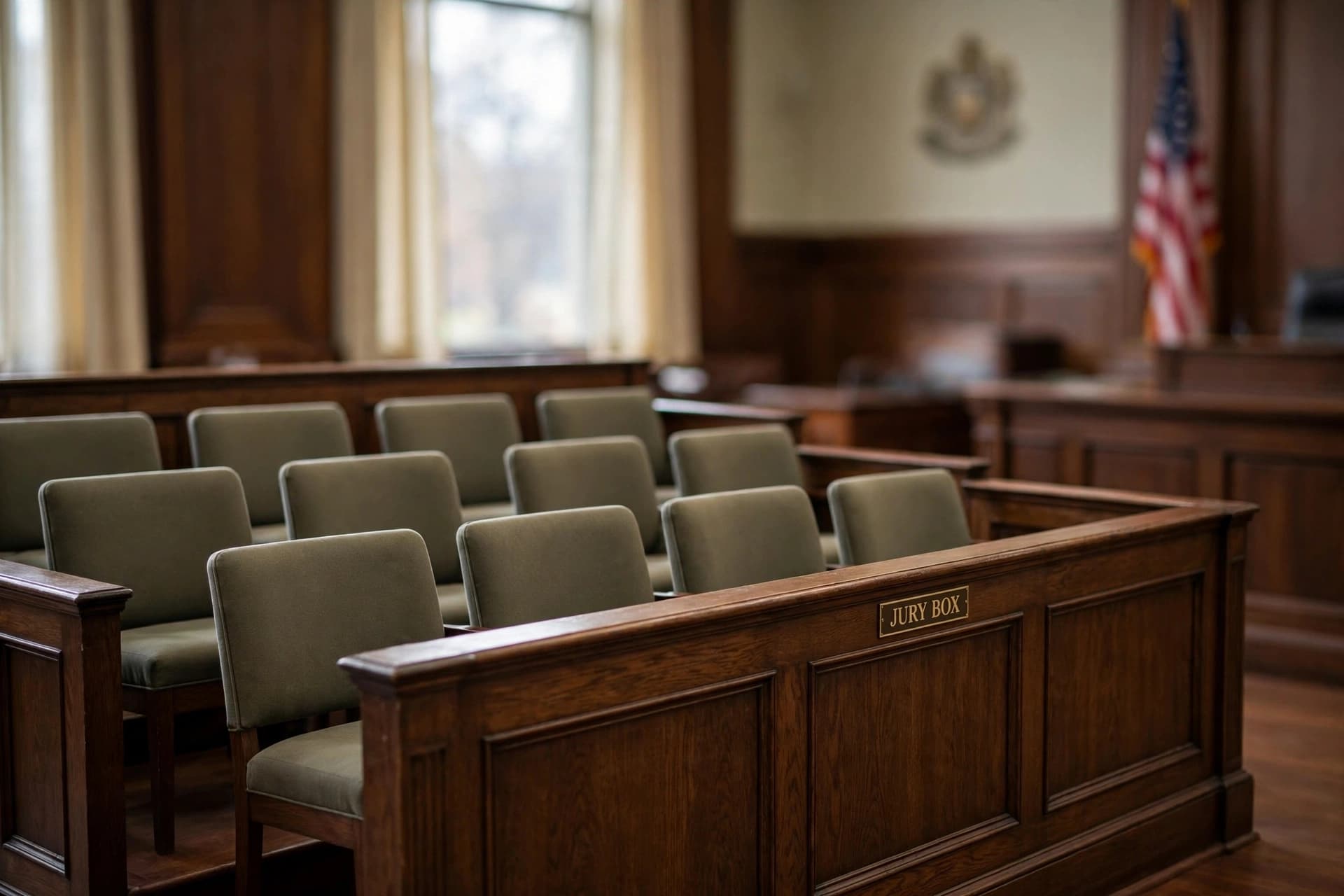
AI Image Disclaimer: The visual representations in this article are AI-generated illustrations depicting legal themes and courtroom settings, not actual photographs from the specific case or courthouse.
Sources: The News & Observer WRAL News Chapelboro.com
Published by Banx Network. This article is part of the Banx decentralized media programme, powered by the BXE token on the XRP Ledger.