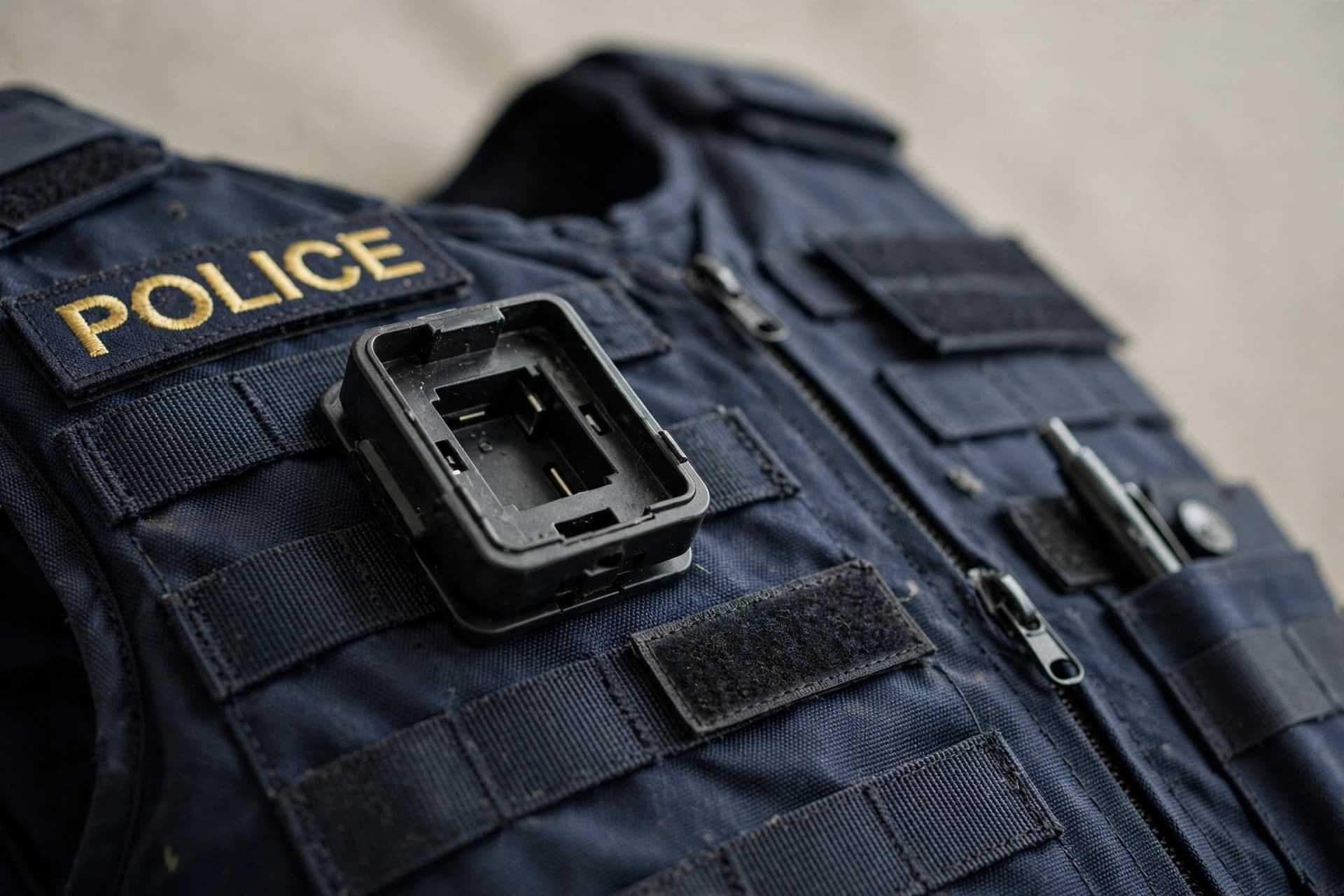
In moments of high tension, visibility becomes the most precious commodity. When actions unfold rapidly, the presence of an objective record can mean the difference between clarity and confusion. The recent incident in Austin, involving an Immigration and Customs Enforcement (ICE) officer who was not wearing a body camera during a shooting, has sparked a renewed conversation about transparency and accountability. It is a situation that invites reflection on the protocols that govern law enforcement and the expectations of the communities they serve.
The incident occurred during an enforcement operation, resulting in the injury of a civilian. While details are still being gathered, the absence of body-worn camera footage from the involved officer has become a focal point of public concern. Body cameras are widely regarded as essential tools for documenting interactions, protecting both officers and citizens from misinterpretation. Their absence in critical moments leaves a gap in the narrative, one that must be filled by other forms of evidence and testimony, which may not always provide the same level of immediacy or objectivity.
This event has drawn attention from local officials and community leaders, who are calling for a thorough independent investigation. The demand for body camera footage is not merely procedural; it is rooted in a desire for trust. When the public cannot see what happened, doubt naturally arises. In a climate where relations between federal agencies and local communities can be strained, such incidents risk exacerbating existing tensions. The call for transparency is a plea for reassurance that actions are being monitored and evaluated fairly.
ICE policies regarding body cameras have evolved over time, but inconsistencies in their use remain a challenge. While many agents are equipped with these devices, issues such as technical failures, human error, or policy exemptions can lead to gaps in recording. This particular case highlights the need for rigorous adherence to protocols, ensuring that cameras are active during all enforcement activities. It is a reminder that technology is only as effective as the discipline with which it is employed.
The response from elected representatives has been swift, with demands for the release of any available footage from other sources, such as dashcams or bystander videos. These alternative perspectives may help reconstruct the events, but they lack the comprehensive view that a body camera provides. The reliance on fragmented evidence underscores the importance of having a complete record, one that captures the full context of an interaction from the perspective of those directly involved.
For the community in Austin, this incident is more than a news headline; it is a test of confidence in federal law enforcement. Residents look to their leaders to ensure that investigations are conducted with integrity and that findings are shared openly. The outcome of this probe will likely influence future policies and practices, potentially leading to stricter requirements for camera usage and greater oversight of enforcement operations. It is an opportunity to strengthen the framework of accountability.
Moreover, the incident raises questions about the balance between security and civil liberties. Enforcement operations are necessary for maintaining immigration laws, but they must be carried out in a manner that respects the rights and safety of all individuals. The absence of a body camera in this instance complicates the assessment of whether that balance was maintained. It serves as a cautionary tale for agencies nationwide, emphasizing the need for consistent and reliable documentation of all interactions.
As the investigation continues, the focus remains on uncovering the truth with diligence and fairness. The absence of body camera footage is a significant hurdle, but not an insurmountable one. Through careful examination of all available evidence, authorities aim to provide answers that restore trust and ensure that justice is served. It is a moment for reflection on the importance of transparency in maintaining the bond between law enforcement and the public.
AI Image Disclaimer: Images used in this article are AI-generated conceptual representations of law enforcement transparency and investigative processes, not actual scenes from the incident.
Sources: CBS Austin CNN Fox News
Published by Banx Network. This article is part of the Banx decentralized media programme, powered by the BXE token on the XRP Ledger.