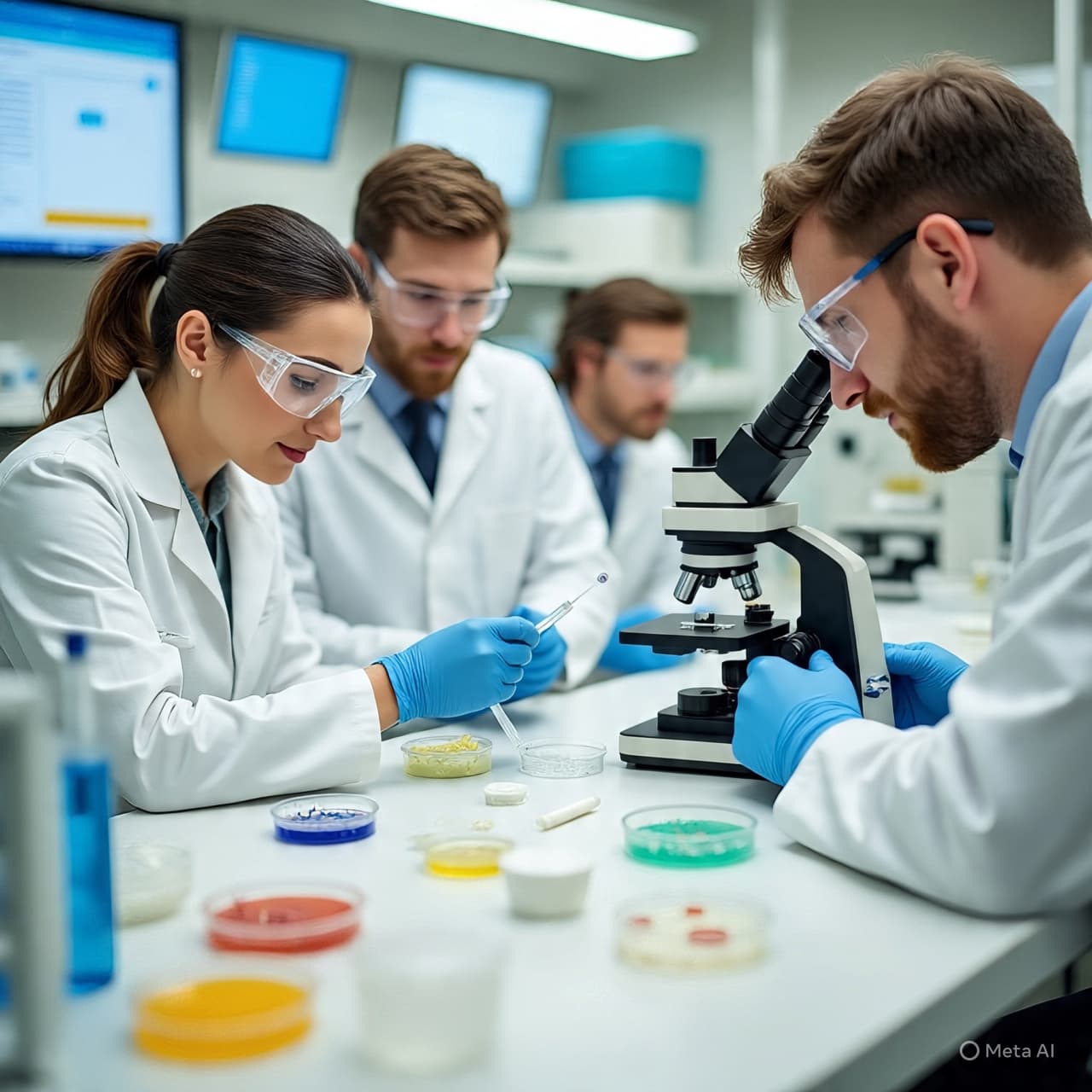
There are moments in science that feel like the hush before dawn spaces filled with quiet ambition, where ideas simmer and possibilities beckon gently toward a new day. In the world of medicine, one such space has long been the search for antibiotics powerful enough to outpace the steady rise of antimicrobial resistance. It is an endeavor that combines deep patience with bold ingenuity, and this week brought renewed energy to that pursuit.
On January 23, 2026, a coalition of major philanthropic foundations announced $60 million in new grant funding to fuel the discovery of next‑generation antibiotics. The Bill & Melinda Gates Foundation, the Novo Nordisk Foundation, and Wellcome have united their resources to form the Gram‑Negative Antibiotic Discovery Innovator (Gr‑ADI) initiative, a global consortium aimed at accelerating scientific progress against some of the most stubborn and dangerous bacterial pathogens.
In the soft light of global health challenges, antibiotic discovery often feels like a path through a dense forest: the way forward isn’t always clear, and the terrain demands careful navigation. Gram‑negative bacteria enveloped in a resilient double membrane have long stood as particularly formidable barriers. They are at the heart of the antimicrobial resistance (AMR) crisis, a slow but steady tide that threatens the efficacy of treatments once taken for granted.
The consortium’s approach resembles a gathering of explorers, each with a different map yet committed to a shared horizon. Eighteen research teams across 17 countries have been selected to receive funding, with projects that stretch from foundational discovery science to the early stages of drug design. The initiative encourages open scientific collaboration an invitation to share data, methods, and insights freely in hopes of shortening the traditionally long and costly journey from laboratory to lifesaving medicine.
One researcher recently welcomed into this collaborative fold hails from the University of Liverpool, working on combinations of antibiotics that could disrupt resistant bacteria at their roots. His project, among others funded by the Gr‑ADI consortium, highlights a shared belief: that collective effort can shine light into corners where resistance has taken hold.
This renewed investment marks progress not just in funding but in scientific philosophy. By forming a consortium that bridges continents and disciplines, the supporting foundations are cultivating a network where knowledge flows more readily and breakthroughs become communal achievements rather than isolated triumphs. In an era where AMR causes millions of deaths annually and imposes staggering economic burdens, such collaboration feels both urgent and humane.
Yet, amid these wider global tales, the work itself remains fundamentally human: researchers poring over molecular structures, testing ideas with careful precision, and bearing in mind the communities who stand to benefit most from their discoveries. It is the sort of quiet dedication that, while unseen by most, shapes the health journeys of countless individuals worldwide.
In the gentle balance between patience and hope, this $60 million commitment echoes like a new chord in a familiar melody one that calls for persistence and shared purpose. Over the next three years, as projects unfold and findings emerge, the world will watch with interest and gratitude for what this united effort may uncover.
In straight news: the Gates Foundation, Novo Nordisk Foundation, and Wellcome have launched the Gram‑Negative Antibiotic Discovery Innovator (Gr‑ADI) consortium, awarding $60 million in grant funding to support global antibiotic research. Eighteen projects in 17 countries will explore novel scientific approaches to counter antimicrobial resistance, focusing on bacterial pathogens that are difficult to treat with existing drugs, particularly Gram‑negative organisms. The initiative prioritizes collaborative data sharing and aims to accelerate discovery timelines.
AI Image Disclaimer Graphics are AI‑generated and intended for representation, not reality.
Source Check
CIDRAP News EMJ Reviews Yahoo Finance (syndicated news) University of Liverpool News Wellcome (granting organization)
Published by Banx Network. This article is part of the Banx decentralized media programme, powered by the BXE token on the XRP Ledger.