

Key Highlights
- Recent cyberattacks on U.S. water utilities have raised alarms about security vulnerabilities.
- The Biden administration is implementing stricter cybersecurity standards for water systems.
- Community leaders are advocating for increased transparency and investment in infrastructure.
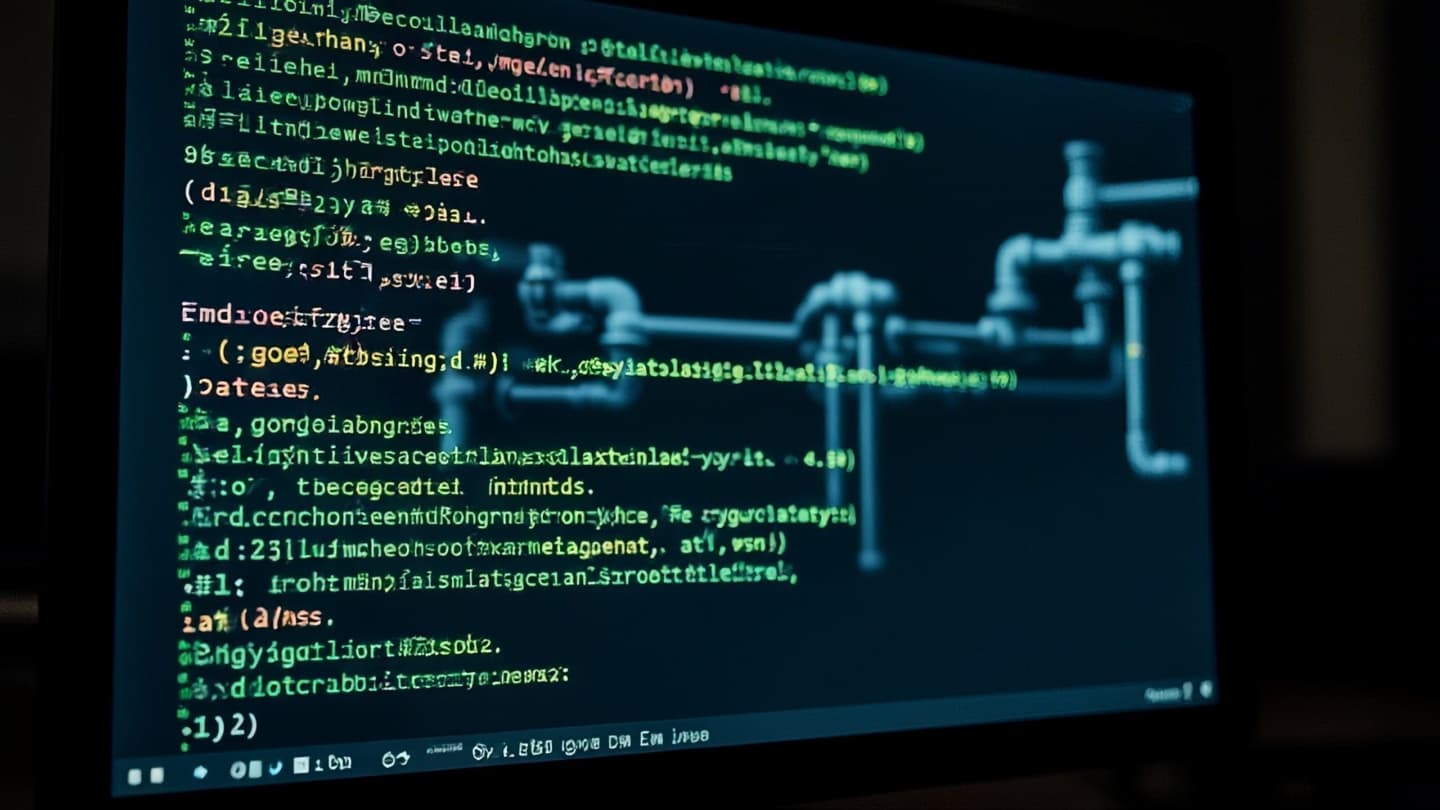
Recent cyberattacks targeting water utilities across the United States have exposed significant vulnerabilities in critical infrastructure, prompting urgent calls for enhanced cybersecurity measures. These incidents, which occurred in states such as Florida and Pennsylvania, involved hackers exploiting outdated software and weak password protections to gain access to supervisory control and data acquisition (SCADA) systems. Fortunately, swift action by plant operators prevented any contamination of the water supply, but the close calls have left communities shaken and officials scrambling to address the growing threat.
Experts have long warned about the cybersecurity gaps in municipal water systems. Unlike financial institutions or tech companies, many local utilities lack the necessary resources and expertise to defend against sophisticated cyber threats. Budget constraints and a lack of federal mandates have left numerous plants operating on legacy systems that are easy targets for malicious actors. This systemic neglect highlights a failure to prioritize infrastructure resilience, putting public safety at risk.
In response to these alarming incidents, the Biden administration has issued new guidelines aimed at strengthening cybersecurity standards for water utilities. These guidelines include mandatory multi-factor authentication, regular software updates, and the development of incident response plans. While these measures represent a step in the right direction, experts caution that implementation will require significant time and funding, leaving many utilities vulnerable in the interim.
For residents, the implications of these cyberattacks are deeply personal. The unsettling notion that someone could tamper with their drinking water from a remote location has eroded trust in public utilities, replacing it with anxiety and suspicion. Community leaders are advocating for greater transparency and investment in infrastructure to restore confidence among residents. They argue that access to safe water is a fundamental right that must be protected against emerging threats.
The private sector is also stepping up to address these challenges, with specialized cybersecurity firms offering services tailored to critical infrastructure. Partnerships between technology companies and local governments are emerging as a potential solution, with the aim of sharing knowledge and resources to build a more robust defense against future attacks. This collaborative effort seeks to secure the lifeline of modern society and ensure the safety of essential services.
The recent cyberattacks on U.S. water supply systems serve as a wake-up call that cannot be ignored. They underscore the urgent need for modernization and vigilance in protecting critical infrastructure. As the nation moves forward, the goal must be to ensure that every tap delivers not only water but also peace of mind. The time for neglect is over; the time for action is now.
Published by Banx Network. This article is part of the Banx decentralized media programme, powered by the BXE token on the XRP Ledger.




