Water, the essence of life, flows through our communities with a quiet reliability that we rarely question. Yet, beneath the surface of this everyday certainty lies a digital infrastructure vulnerable to the invisible threats of the modern age. Recent cyberattacks targeting water systems in at least seven states serve as a stark reminder that our most basic resources are now intertwined with the complex web of cybersecurity risks.
The incidents, though varied in their execution, share a common thread: the exploitation of vulnerabilities in operational technology. Hackers, whether motivated by financial gain, political disruption, or mere chaos, have found ways to infiltrate the systems that control water treatment and distribution. These attacks do not always result in immediate contamination, but they disrupt operations, cause service interruptions, and instill a deep sense of unease among the affected populations.
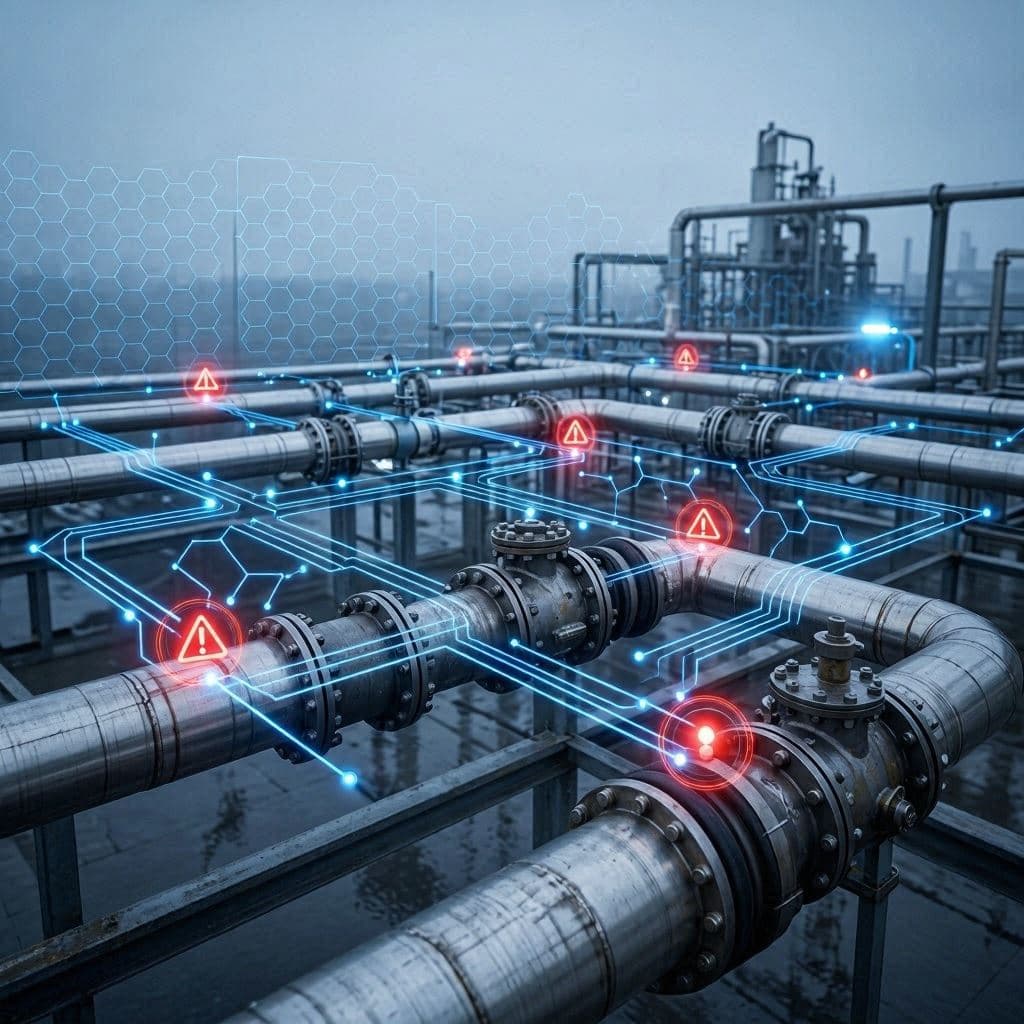
In several instances, the attackers gained access to supervisory control and data acquisition (SCADA) systems, which monitor and control industrial processes. By manipulating these systems, they were able to alter chemical levels or shut down pumps, posing potential health risks and logistical challenges. The response from local authorities involved rapid containment efforts, manual overrides, and increased monitoring to ensure the safety of the water supply.
The geographic spread of these attacks, spanning multiple states, indicates a coordinated or widespread vulnerability rather than isolated incidents. This pattern suggests that many water utilities may be using similar software or hardware with known security gaps. The lack of robust cybersecurity measures in some smaller or underfunded utilities makes them particularly susceptible to such breaches, highlighting a systemic issue in critical infrastructure protection.
Experts warn that as our infrastructure becomes more connected, the attack surface expands. The integration of internet-of-things (IoT) devices in water management offers efficiency but also introduces new entry points for malicious actors. The challenge lies in balancing technological advancement with security, ensuring that digital upgrades do not come at the cost of physical safety. Investment in cybersecurity training, updated protocols, and regular audits is essential to mitigate these risks.
Public trust in utility providers is paramount, and these incidents threaten to erode that confidence. Transparency in communication during and after an attack is crucial to maintain public calm and cooperation. Utilities must work closely with federal agencies like the FBI and the Department of Homeland Security to share threat intelligence and implement best practices for defense. Collaboration across sectors is key to building a resilient infrastructure capable withstanding future threats.
The cyberattacks on water systems are a wake-up call for a nation reliant on digital connectivity. They underscore the urgent need for strengthened cybersecurity measures in critical infrastructure. Protecting our water supply is not just a technical challenge but a fundamental responsibility to public health and safety, requiring sustained attention and resources.
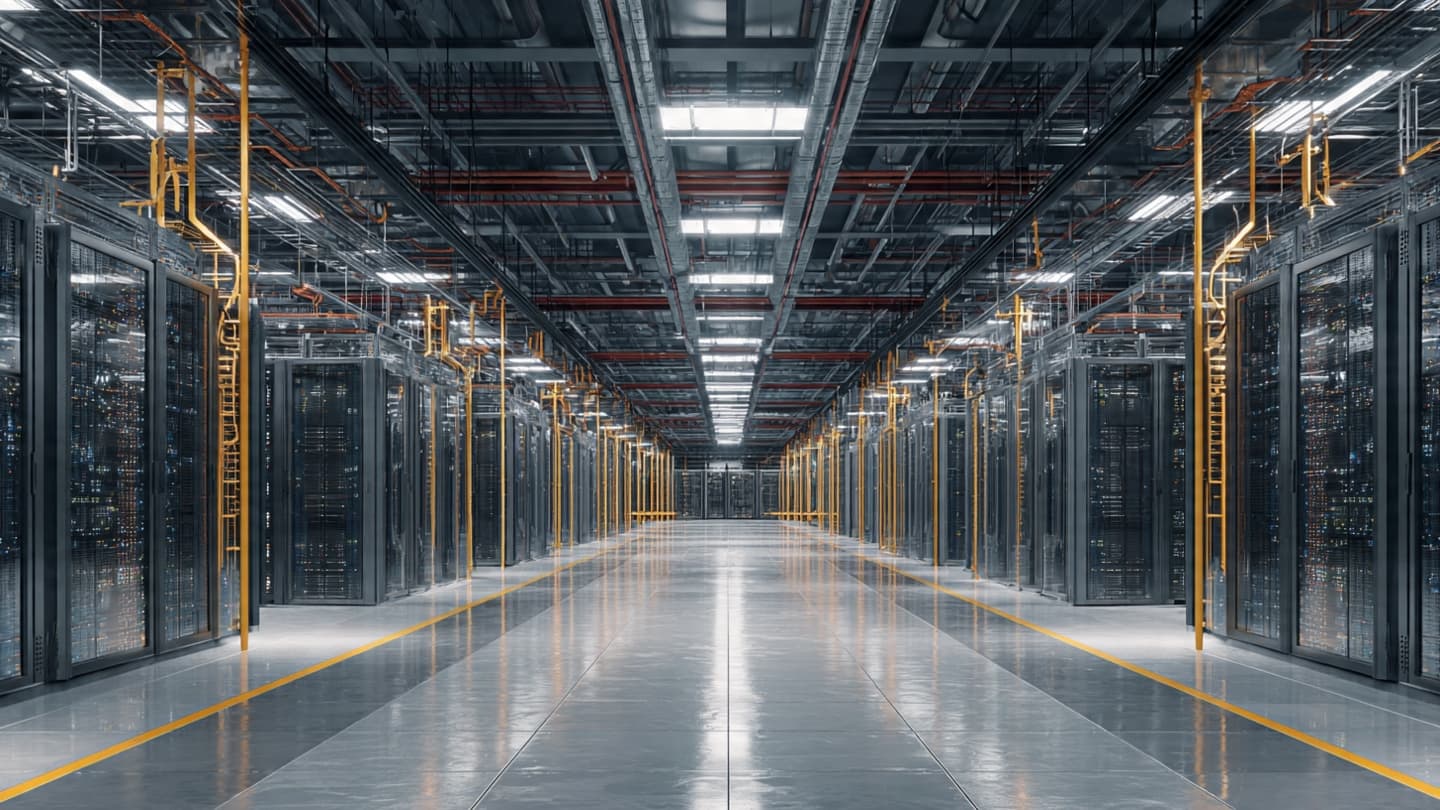
AI Image Disclaimer: Visuals associated with this report are AI-generated interpretations designed to reflect the digital nature of the threat.
Sources: Associated Press NPR Reuters
Published by Banx Network. This article is part of the Banx decentralized media programme, powered by the BXE token on the XRP Ledger.