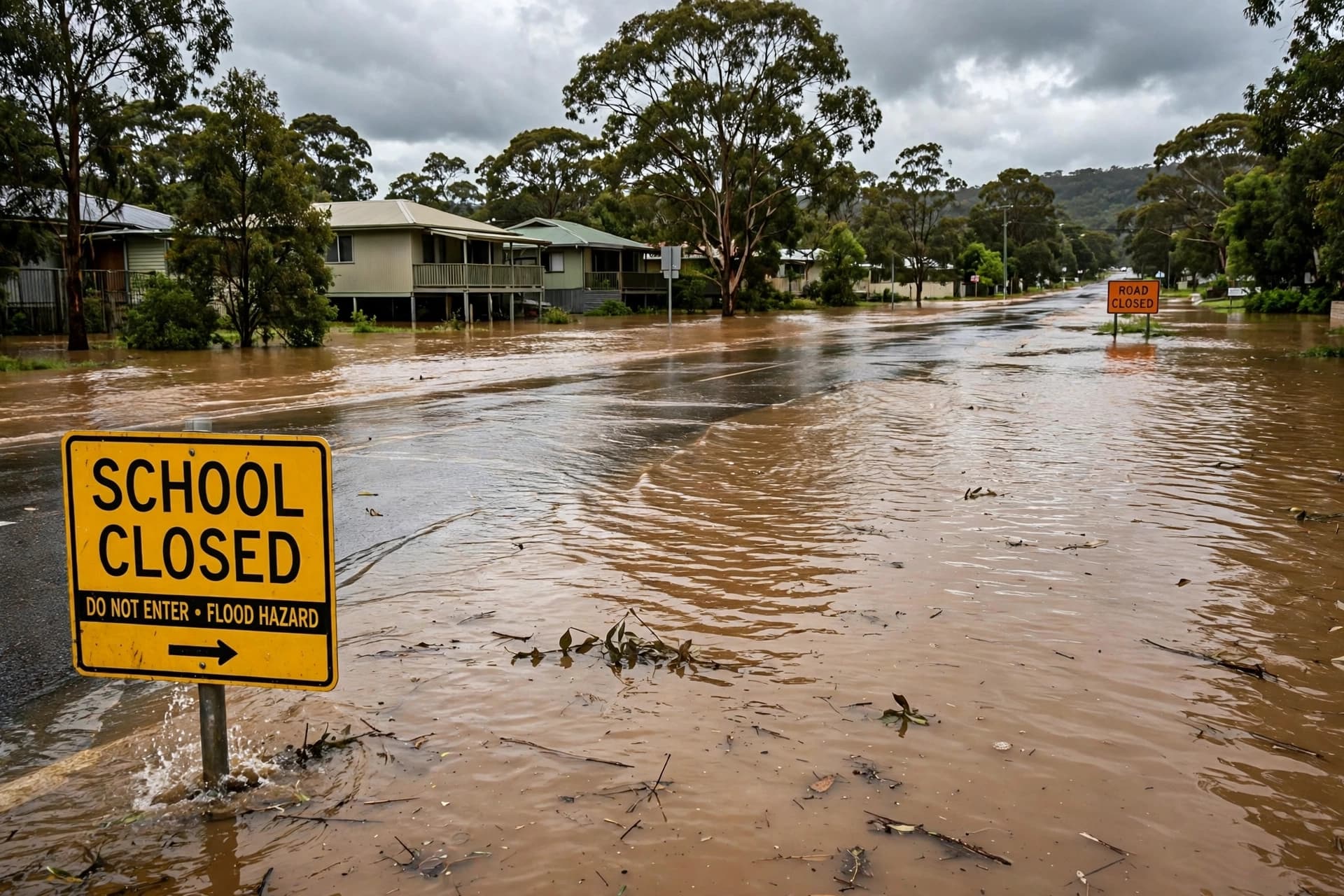
There is a rhythm to a school week that children and parents carry in their bodies—the early alarms, the packed lunches, the familiar route to the gate. When that rhythm is broken by weather, the disruption arrives with a strange mixture of relief and unease. This week in south-east Queensland, the rain came hard enough to close more than a dozen schools, and the question on everyone's mind was not whether the sun would return, but what the water had left behind.
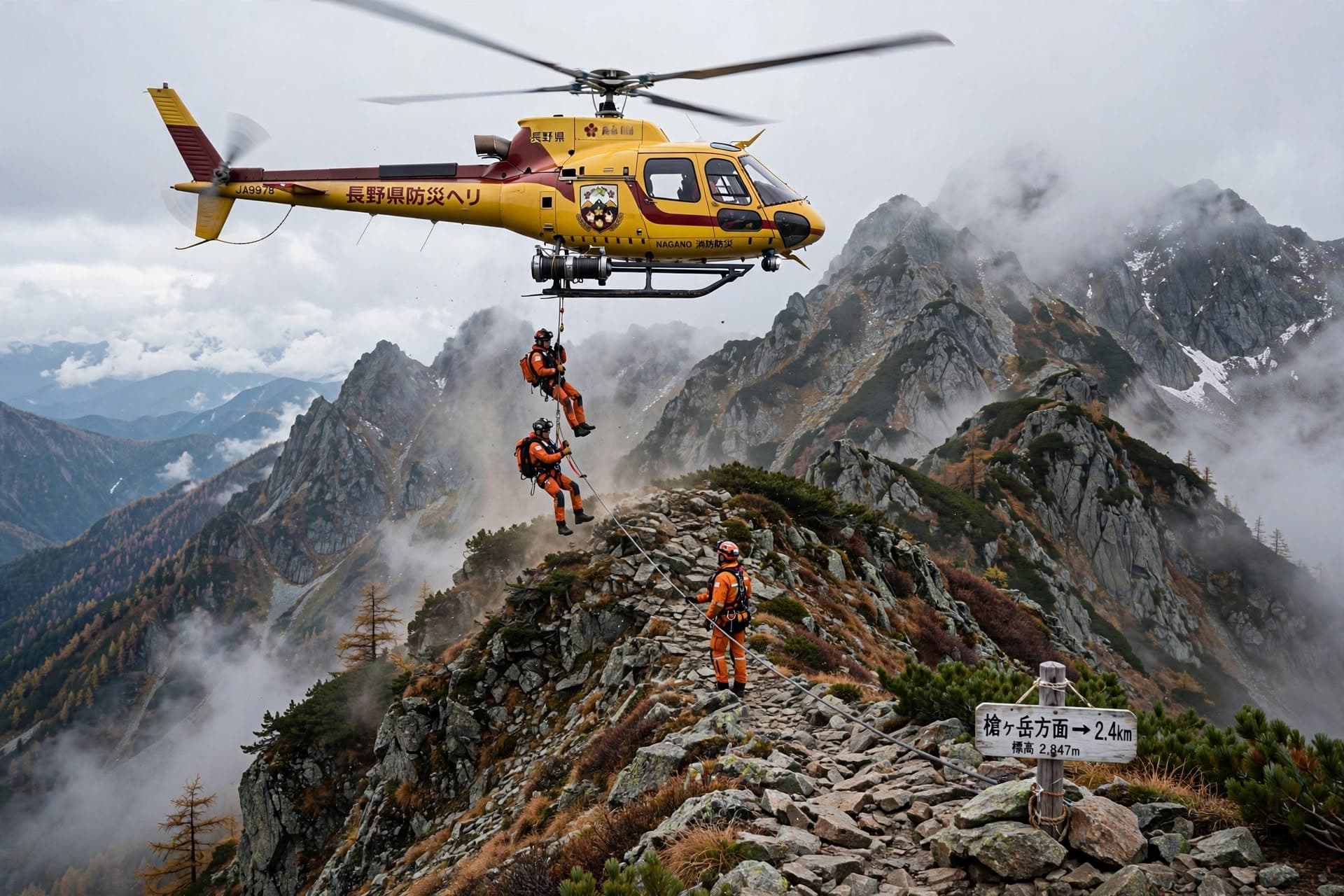
Heavy rainfall across the region caused flash flooding on Thursday, prompting school closures and hundreds of calls for help. The State Emergency Service responded to 277 call-outs between 6 a.m. and 2 p.m., with a further 141 overnight . Two campers were winched to safety after being cut off by floodwater at Mount Barney. A motorist was rescued from a submerged car in the Lockyer Valley just before 4 a.m. on Friday, and a man who drove into floodwater at Morayfield was pulled from his sinking vehicle by an ABC reporter and a bystander .
The numbers tell a story of a system under strain. In just six hours, 203 millimeters of rain fell at Caboolture, north of Brisbane. Over twenty-four hours, more than 250 millimeters was recorded at Morayfield and Burpengary . Dozens of roads remained closed across regions north of Brisbane. The Bureau of Meteorology issued multiple minor flood warnings for rivers including the Maroochy, Coochin Creek, and Mooloolah .
By Friday morning, the rain had begun to ease. Daniel Hayes, a community information officer with the Bureau of Meteorology, said the widespread heavy rain was set to weaken throughout the day, though isolated falls of up to 40 millimeters remained possible . "We are likely to still have fairly widespread shower and thunderstorm activity across most of Queensland throughout Friday and into the weekend, but it will be more isolated with those moderate to heavy falls," he said . Lighter falls were expected in the coming days before more widespread activity returned through western Queensland on Sunday.
What lingers after such an event is not the rainfall total but the small dramas of ordinary life interrupted. A camper winched from a rising creek. A driver rescued from a car that filled with water in seconds. A reporter who lowered his microphone and swam toward a sinking vehicle. The rain will ease, the schools will reopen, and the roads will dry. But the memory of water where it should not be—on roads, in paddocks, around the ankles of a campers' tent—will remain longer than the puddles.
This article includes AI-generated images for illustrative purposes.
Sources: Australian Broadcasting Corporation
Published by Banx Network. This article is part of the Banx decentralized media programme, powered by the BXE token on the XRP Ledger.