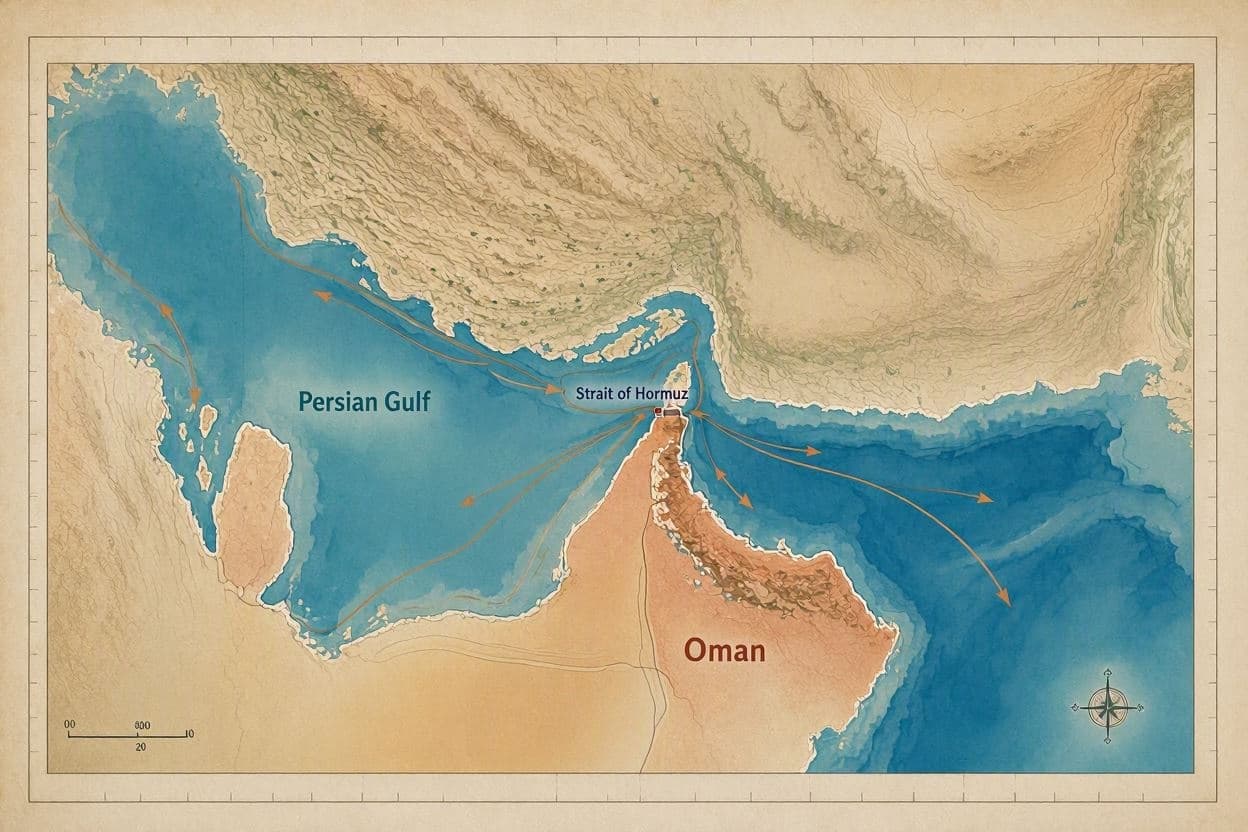
In the strategic waters of the Gulf, where global energy flows converge, a subtle shift in behavior has caught the attention of market analysts. Saudi Arabia has reportedly begun offering oil cargoes for sale near Oman, a move that some interpret as a sign of "dark fleet" activity through the Strait of Hormuz. This development comes amid ongoing tensions and disruptions in the region, suggesting that major producers are adapting to navigate complex geopolitical landscapes.
The Strait of Hormuz is a critical chokepoint, through which approximately 20% of the world’s oil passes. Recent conflicts and sanctions have led to increased scrutiny of tanker movements, prompting some operators to turn off their transponders to avoid detection. This practice, known as "going dark," allows ships to move without broadcasting their location, raising concerns about transparency and security in global supply chains.
By offering oil near Oman, outside the immediate confines of the Strait, Saudi sellers may be facilitating transfers to vessels that have navigated the passage discreetly. This method allows buyers to acquire crude without directly engaging in the risky transit themselves. It is a logistical workaround that reflects the ingenuity of traders operating in a constrained environment, balancing commercial interests with political realities.
Market observers note that this trend could have implications for oil prices and supply stability. If a significant portion of exports is moving through unofficial channels, it becomes harder to track inventory levels and predict availability. This opacity can lead to volatility, as traders react to rumors and incomplete data rather than verified statistics. The lack of transparency adds a layer of uncertainty to an already sensitive market.
For Oman, its geographic position makes it a natural hub for such activities. The country has long maintained a neutral stance in regional conflicts, allowing it to serve as a bridge between opposing parties. The increase in oil offers near its shores may boost local economic activity, but it also places Oman in a delicate diplomatic position, balancing its relationships with Saudi Arabia, Iran, and Western powers.
International regulators are monitoring the situation closely, concerned about the potential for illicit trade and environmental risks. Ships that go dark are often older and less maintained, posing a higher risk of accidents or spills. Ensuring that safety standards are upheld, even in unofficial transactions, is a challenge that requires international cooperation and robust monitoring mechanisms.
The broader implication is a fragmentation of the global oil market. As traditional routes become contested, alternative pathways and methods emerge. This decentralization may offer short-term flexibility but poses long-term challenges for governance and stability. The era of transparent, predictable energy flows may be giving way to a more complex and opaque system.
As the situation evolves, the focus remains on maintaining the free flow of energy while addressing security concerns. The actions of Saudi Arabia and other producers will be watched closely, as they signal the direction of global trade in a time of uncertainty. For now, the waters near Oman remain a focal point, where commerce and caution intersect in the shadow of geopolitical tension.
AI Image Disclaimer: Visuals in this article are AI-generated illustrations of tankers and maritime maps, designed to represent the concept of oil trade and strategic waterways without depicting specific real-world vessels or illegal activities.
Sources: Vortexa, CSIS, IEA, Windward
Published by Banx Network. This article is part of the Banx decentralized media programme, powered by the BXE token on the XRP Ledger.