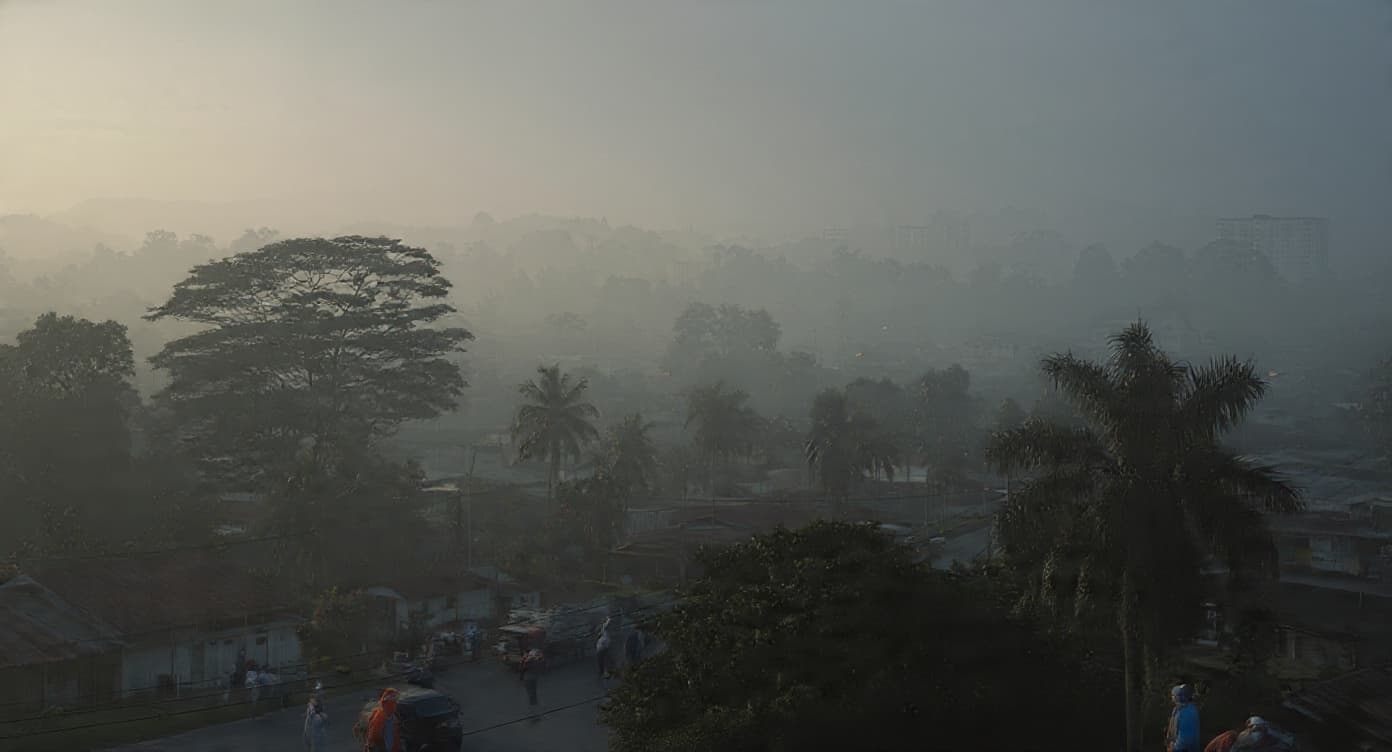
For several days, the skies over parts of Sarawak carried a thick veil of smoke, turning distant landscapes pale and forcing daily life to move more cautiously. Then, almost imperceptibly, the air began to clear. The emergency declaration in Serian was lifted after pollution levels fell below the threshold considered hazardous.
Malaysia’s authorities ended the emergency in Serian district on September 7 after air-quality readings improved. The declaration had been imposed three days earlier when the Air Pollution Index reached 519, far above the hazardous threshold of 300 and beyond the 500 level used for emergency measures.
The haze was linked to fires in the Indonesian part of Borneo, particularly areas of Kalimantan. Smoke crossed the border and affected Sarawak, creating poor air quality in several locations and forcing schools in some areas to close or change activities.
The emergency declaration was limited to Serian district, where authorities maintained essential services including supermarkets, petrol stations and banks. Cloud-seeding operations were also carried out as part of efforts to improve conditions.
The improvement in air quality provided immediate relief, but authorities continued to emphasize that the situation should not be considered completely resolved. Haze conditions can change quickly when fires remain active and wind patterns shift across the island.
Malaysia’s experience also reflects the regional nature of smoke pollution. Borneo is divided among several jurisdictions, and fires in one area can affect communities across national and administrative boundaries. The movement of smoke follows weather patterns rather than political borders.
Indonesia has been dealing with an intensified dry season and a significant increase in burned land this year. Reuters reported that more than 107,000 hectares had been burned during the first half of 2026, with authorities deploying aircraft and helicopters to fight fires and conduct cloud-seeding operations.
In Sarawak, the consequences were felt most directly in daily routines. Schools adjusted activities, residents faced unhealthy air and authorities had to monitor conditions closely as pollution levels changed.
The lifting of the emergency therefore represents a moment of relief rather than the end of the broader concern. Cleaner readings can quickly improve daily life, but the underlying fire and weather conditions remain important to regional air quality.
For now, Sarawak’s skies are gradually becoming clearer. The emergency has passed, yet the recent episode leaves behind a familiar reminder that during the dry season, the quality of the air can depend on events unfolding hundreds of kilometers away.
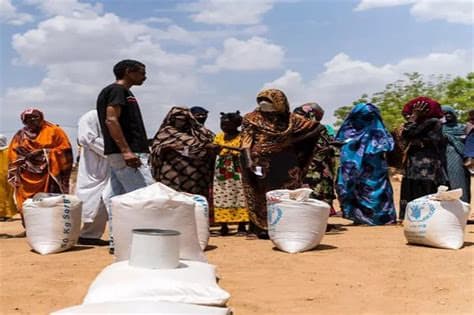
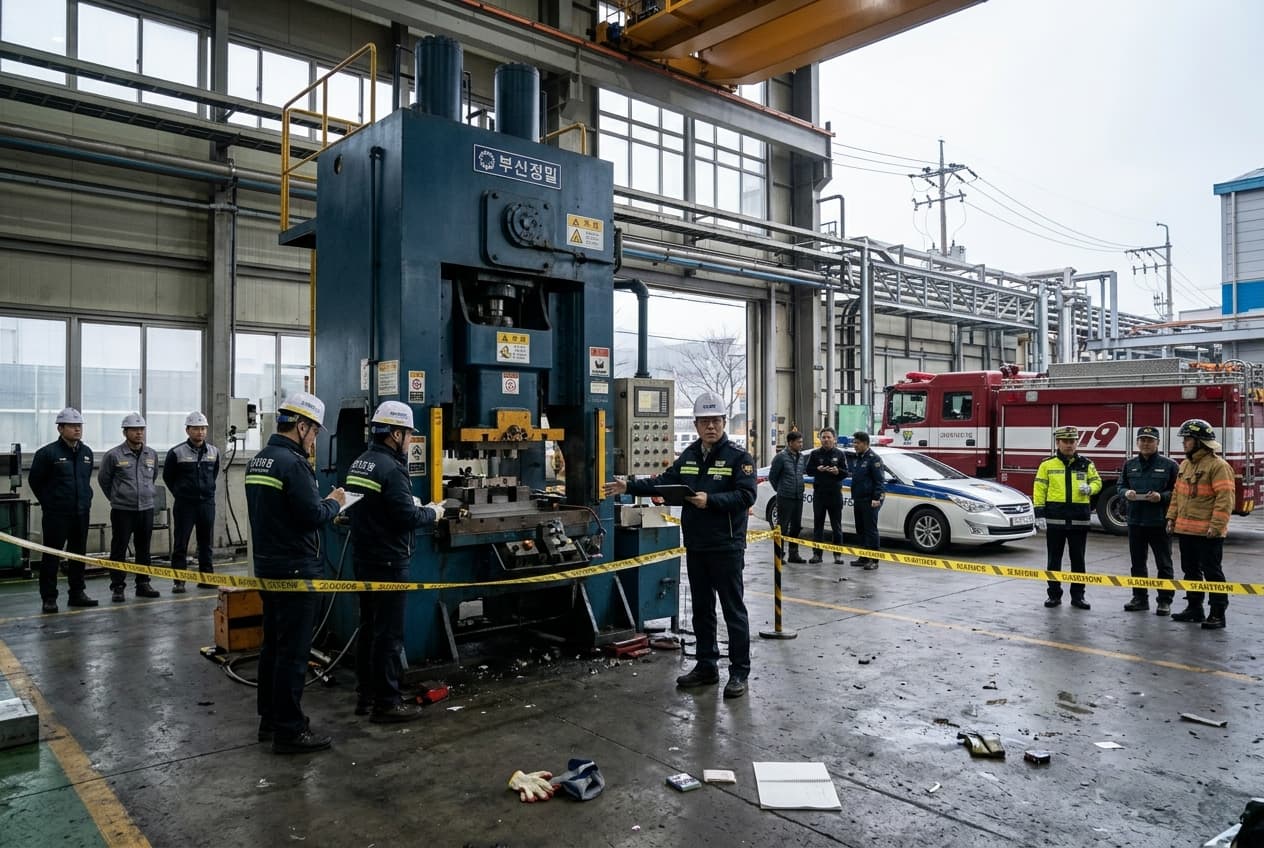
AI Image Disclaimer: These images are AI-generated conceptual illustrations of haze conditions in Sarawak and are not documentary photographs of the reported emergency.
Sources: Reuters Malaysia Prime Minister’s Office Malaysia Department of Environment Sarawak Disaster Management Committee
Published by Banx Network. This article is part of the Banx decentralized media programme, powered by the BXE token on the XRP Ledger.