In the bustling streets of Frankfurt, Germany, a high-stakes drama unfolded that tested the limits of law enforcement protocol and public safety. Following a shooting incident near the U.S. Consulate General, police initiated a pursuit of the suspect that quickly escalated to dangerous speeds, reaching up to 140 kilometers per hour. Faced with the imminent risk to bystanders and other road users, authorities made the difficult decision to discontinue the chase. This incident highlights the complex balance between apprehending a suspect and ensuring the broader safety of the community.
The event sent shockwaves through the city, raising questions about security at diplomatic missions and the procedures governing high-speed pursuits in dense urban environments. For residents, it was a stark reminder of the unpredictable nature of modern crime and the split-second decisions officers must make.
Body: The incident began when a man opened fire near the entrance of the U.S. Consulate in Frankfurt. While no one was injured in the shooting itself, the act triggered an immediate response from local police and specialized security units. The suspect fled the scene in a vehicle, leading officers on a high-speed chase through the city’s thoroughfares.
As the pursuit intensified, the suspect’s speed increased significantly, posing a severe threat to public safety. German police guidelines strictly prioritize the protection of innocent lives over the immediate capture of a fleeing suspect when the risk becomes disproportionate. Consequently, once the vehicle hit 140 km/h in a populated area, commanders ordered the termination of the active pursuit.
Instead of continuing the dangerous chase, authorities shifted their strategy to containment and identification. They utilized surveillance cameras, license plate recognition technology, and aerial support to track the suspect’s likely route and destination. This methodical approach allowed them to maintain pressure without endangering the public, demonstrating a reliance on intelligence rather than brute force.
The U.S. Consulate remained on lockdown for several hours as a precautionary measure. Diplomatic staff were secured, and coordination between American and German authorities was swift and effective. This collaboration underscored the strong security partnership between the two nations, even in the face of unexpected threats.
Public reaction to the police decision was largely supportive, with many acknowledging the wisdom of avoiding a potential catastrophe. High-speed chases in urban centers have historically resulted in tragic collateral damage, and the restraint shown by the Frankfurt police was viewed as a professional and responsible choice.
Investigations into the motive behind the shooting are ongoing. Early reports suggest that the act may have been isolated, but authorities are thoroughly examining all possibilities, including political or ideological motivations. The suspect remains at large, but the net is tightening as digital footprints and witness testimonies are gathered.
The incident has prompted a review of security perimeters around diplomatic buildings in major German cities. Officials are considering additional measures to prevent similar approaches in the future, ensuring that both staff and visitors remain safe from external threats.
For the community, the day served as a test of resilience. Life in Frankfurt returned to normalcy relatively quickly, but the memory of the sirens and the heightened police presence lingers. It is a reminder of the vigilance required in maintaining peace in an interconnected world.
Closing: The discontinuation of the pursuit in Frankfurt reflects a mature approach to public safety. It underscores the principle that protecting the many must sometimes take precedence over catching the one, even in the most challenging circumstances.
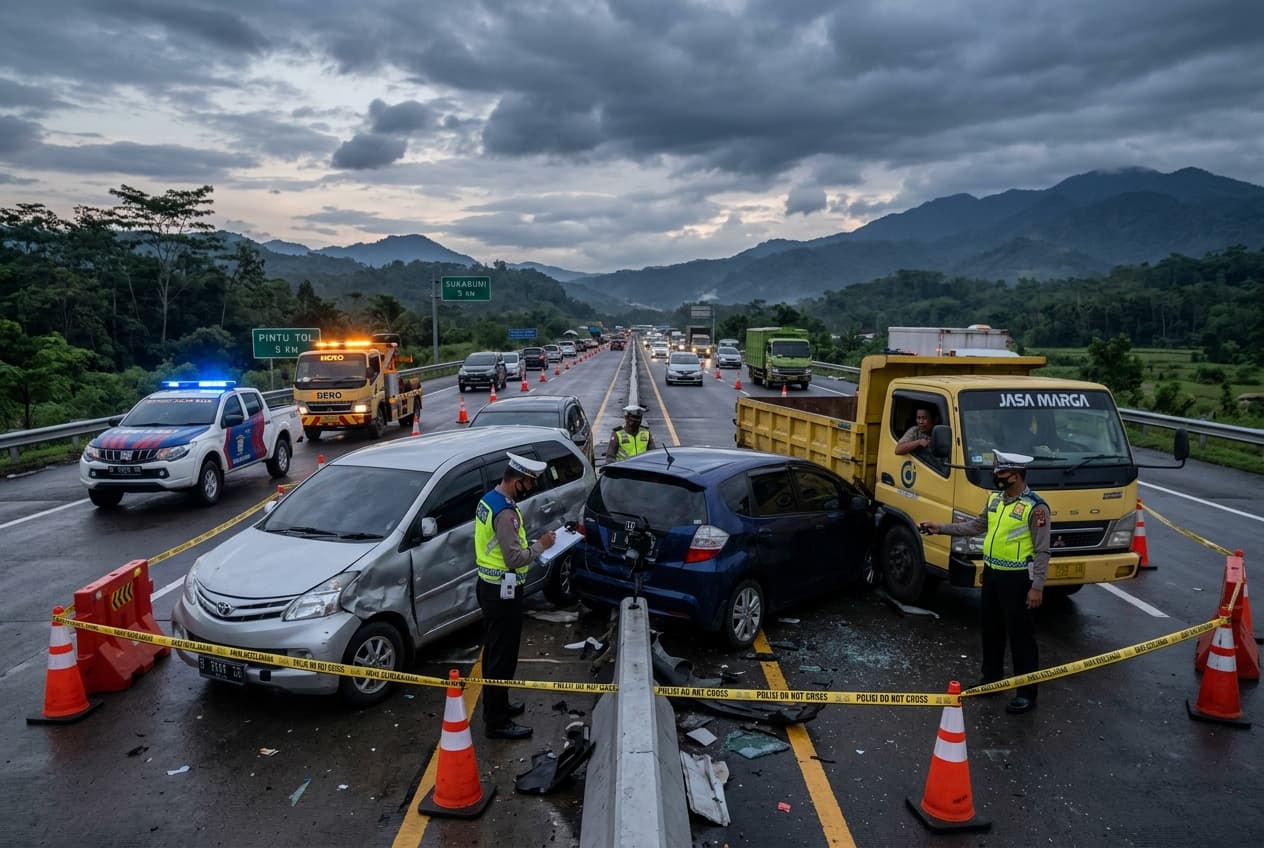
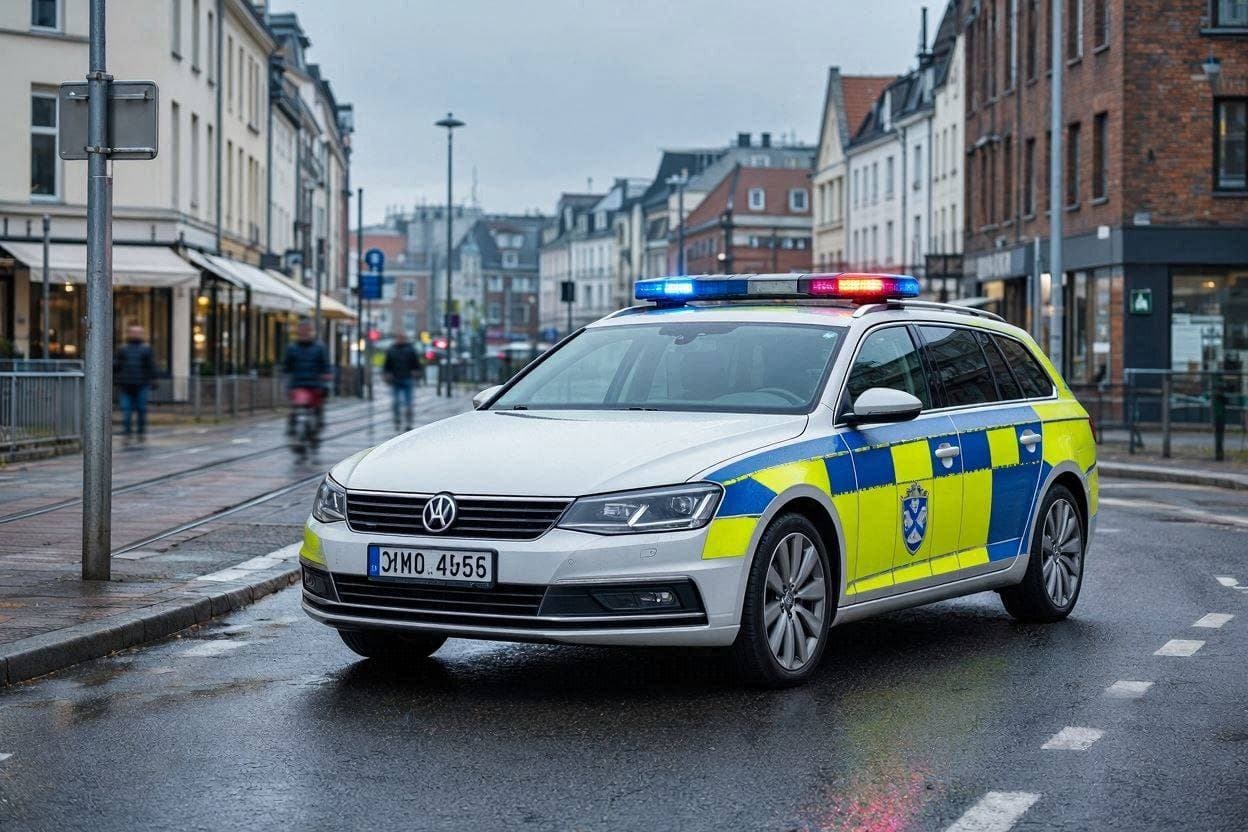
AI Image Disclaimer: The visuals accompanying this article are AI-generated illustrations designed to reflect the tension of urban law enforcement operations.
Sources: Reuters Deutsche Welle Frankfurter Allgemeine Zeitung U.S. Department of State
Published by Banx Network. This article is part of the Banx decentralized media programme, powered by the BXE token on the XRP Ledger.