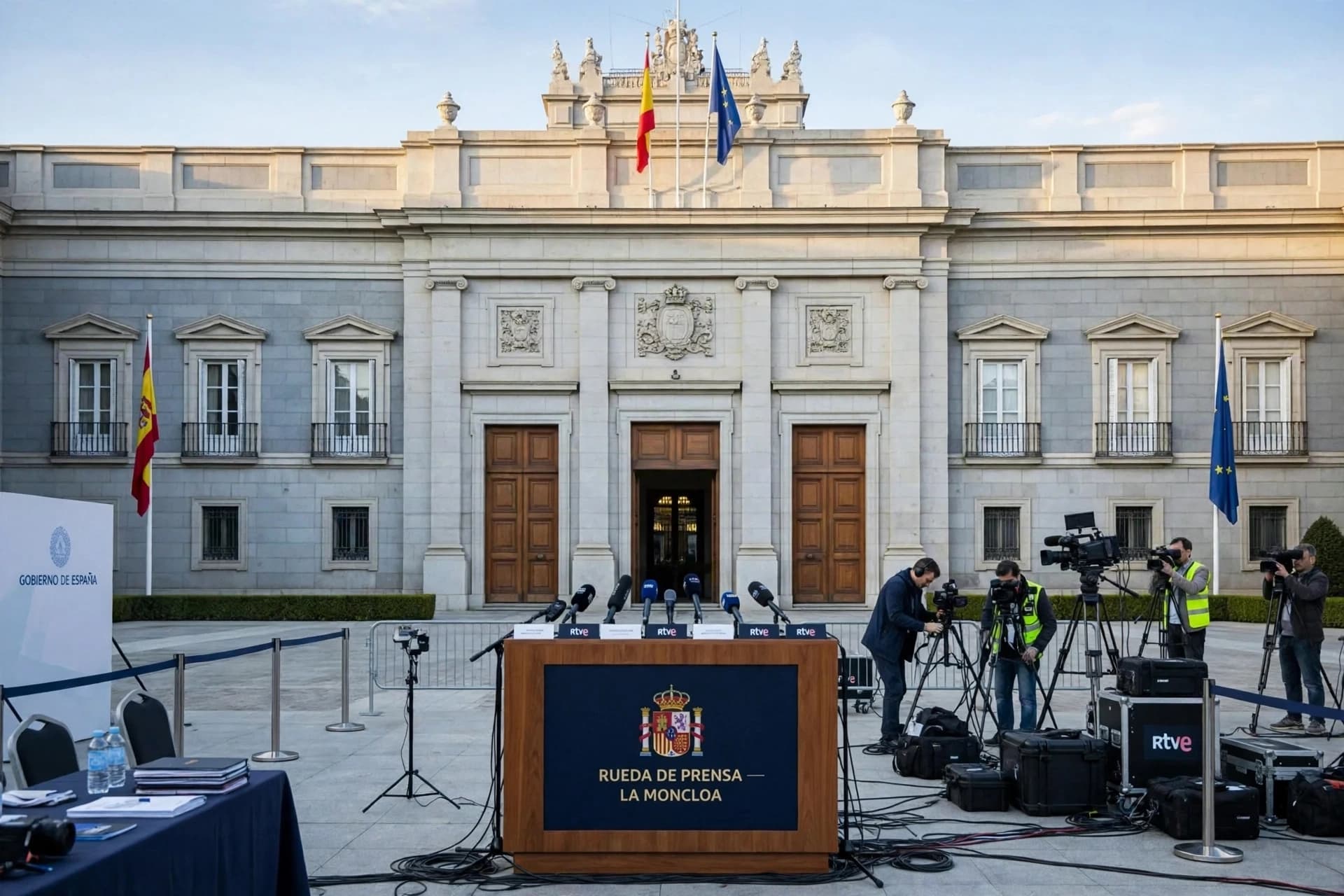
There is a particular risk in a political gamble made from a position of weakness—a calculation that the only way to regain momentum is to hand the decision back to the people, and hope they return a stronger mandate than the one you currently hold. On Monday, Spanish Prime Minister Pedro Sánchez made that gamble. In a televised address from the Moncloa Palace, he announced that Spain will hold early general elections on November 29, dissolving parliament five months ahead of schedule after his minority coalition government suffered a stinging defeat in the legislature .
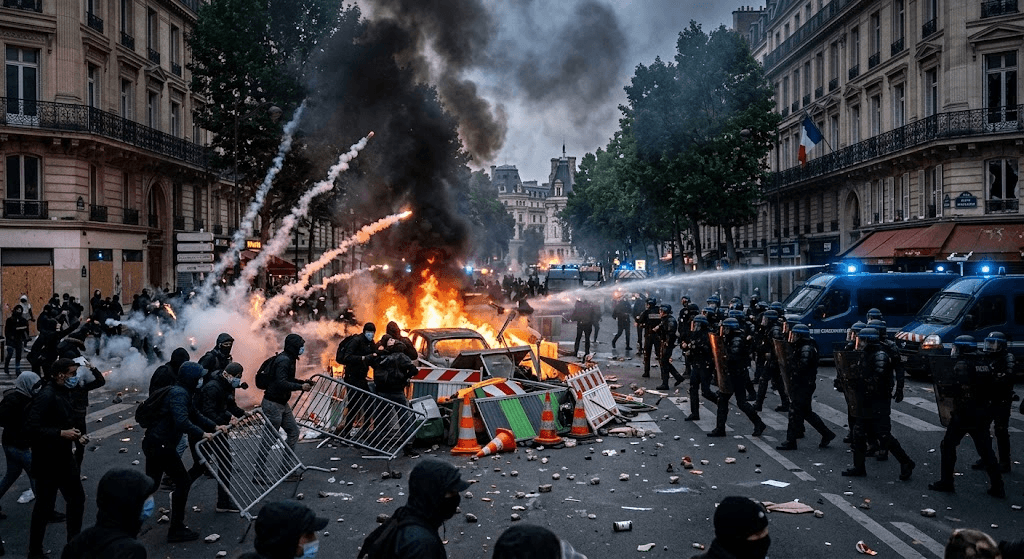
The immediate trigger was the rejection of two housing decrees last Friday. The measures, designed to address Spain's acute housing crisis, were voted down by the conservative Partido Popular and the far-right Vox, along with the Catalan separatist party Junts, whose support Sánchez's government depends on. The defeat came amid widespread protests over rental prices and evictions that have swept the country in recent weeks, with hundreds of thousands taking to the streets of Madrid .
Sánchez framed the election as a choice between two visions of Spain. "You need to decide what role you want for yourself and for Spain in this global landscape," he said. "Do you want to follow that far-right wave—which, once in government, brings social regression—or do you want Spain to continue as a bastion of openness, social justice and environmental responsibility" . He acknowledged that "part of the social majority is dissatisfied today" but said he was fighting to keep Spain from "going backwards" .
The political arithmetic is daunting for the left. Polls have shown the opposition Partido Popular leading the ruling Socialists for months, and the combined support of the PP and Vox would be sufficient to form a government. Sánchez has also been dogged by corruption investigations involving his wife and close associates, and by criticism over his relatively permissive immigration policies . The Reuters news agency described the early election as a "high-risk gamble" aimed at capitalizing on public anger over housing prices—anger that his opponents may be better positioned to channel .
The PP responded to the announcement with a single word: "Finally" . The party and its allies have been calling for Sánchez to dissolve parliament and call elections for months, confident that the political winds are at their backs. The vote will be held on November 29, with the official campaign period beginning in mid-November. For Sánchez, it is a bet that the Spanish electorate will reward a government that has delivered economic growth and social protections, rather than punish it for the compromises and disappointments of minority rule. For the opposition, it is an opportunity they have long sought. The campaign has begun.
AI Image Disclaimer: The images accompanying this article were generated by artificial intelligence and are for illustrative purposes only.
Sources: Xinhua, Reuters, Agência Brasil, Yonhap News, CRI, Lusa
Published by Banx Network. This article is part of the Banx decentralized media programme, powered by the BXE token on the XRP Ledger.