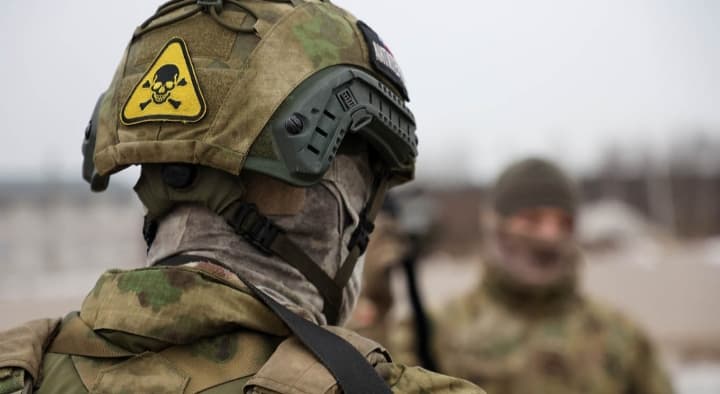
As the conflict in Ukraine continues, the fallout of war is increasingly felt beyond the frontlines. A disturbing trend has emerged, with reports linking returning Russian soldiers to more than 1,000 violent incidents inside the country. These incidents range from assaults to homicides, reflecting a troubling correlation between military involvement and domestic violence. Psychological Impact on Soldiers
Many of these soldiers are said to be suffering from post-traumatic stress disorder (PTSD) and other psychological issues stemming from their experiences in combat. Experts argue that the intense trauma of warfare can profoundly alter a soldier's behavior, leading to aggression and violence upon their return to civilian life. The military, with its culture of toughness and stoicism, has struggled to provide adequate mental health support for its veterans. Societal Repercussions
The ramifications of this violence are being felt across Russian society. Communities are grappling with increased crime rates and a sense of insecurity. Families of victims are demanding accountability and better support systems for returning soldiers, highlighting the need for a comprehensive approach to reintegrate veterans into society. Government Response
In response to these alarming statistics, government officials have promised a crackdown on violence attributed to veterans. However, critics argue that these measures often focus on punitive actions rather than addressing the underlying issues, such as mental health care and social reintegration programs.
Published by Banx Network. This article is part of the Banx decentralized media programme, powered by the BXE token on the XRP Ledger.