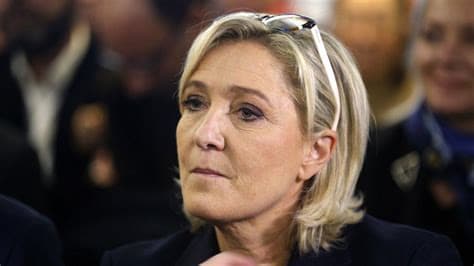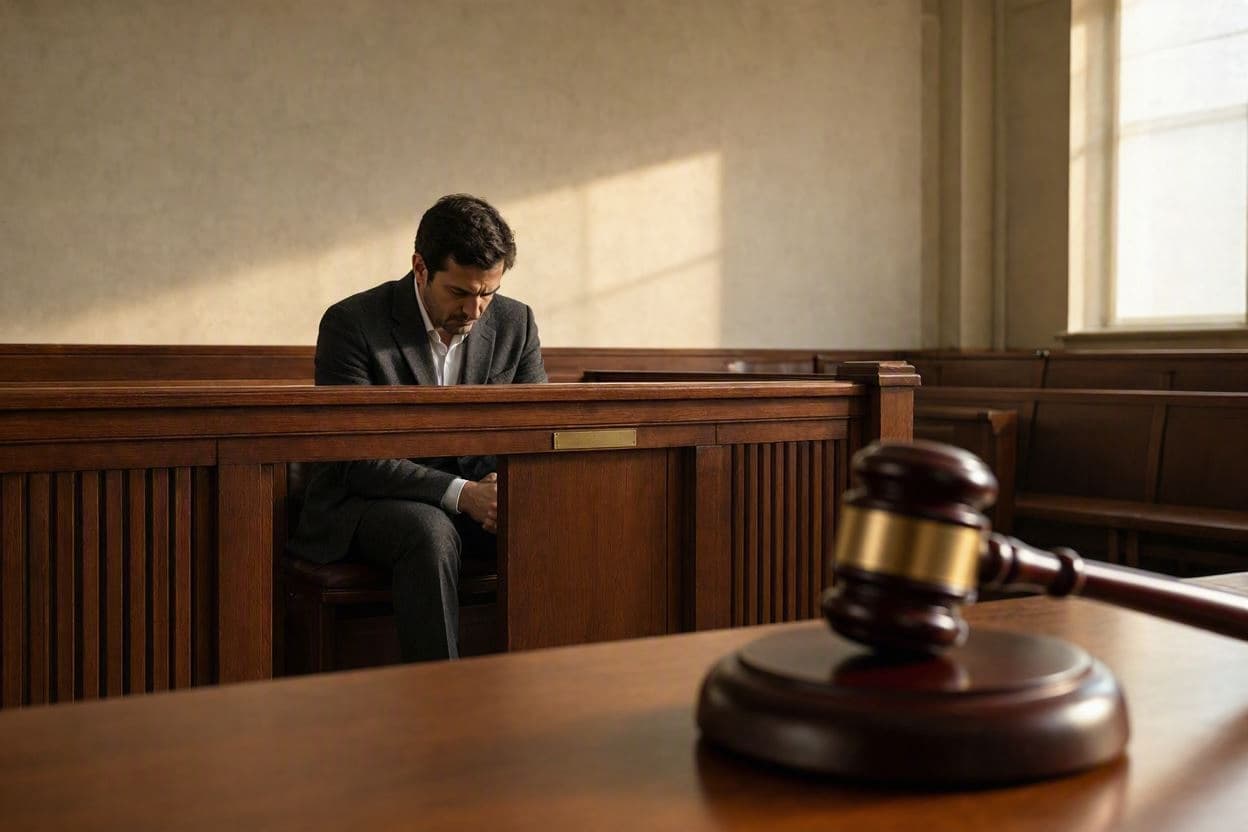
In the quiet corridors of a Moscow courtroom, the weight of dissent is measured in years. A Russian court has sentenced a prominent Kremlin critic to eleven years in prison, a verdict that underscores the tightening grip on political opposition in the wake of the war in Ukraine. The case, which centered on the defendant’s public statements opposing the military campaign, marks another chapter in the state’s systematic effort to silence alternative voices.
The defendant, a well-known figure in Russia’s fragmented opposition movement, was charged under laws that criminalize the spread of "false information" about the armed forces. During the trial, prosecutors presented evidence of social media posts and interviews where the critic expressed doubts about the official narrative of the conflict. The defense argued that these statements were protected speech, but the court ruled that they posed a threat to national security and public order.
This sentencing is part of a broader pattern of repression that has intensified since the invasion of Ukraine began. Dozens of activists, journalists, and politicians have faced similar charges, resulting in lengthy prison terms and exile. The legal framework used to prosecute these cases is broad and vaguely defined, allowing authorities to target a wide range of expressive activities. For many observers, the trials are less about justice and more about sending a message of conformity.
The international community has reacted with concern, with human rights organizations condemning the verdict as politically motivated. Governments in Europe and North America have issued statements calling for the release of political prisoners and an end to the crackdown on free speech. However, these diplomatic efforts have had limited impact on domestic policy, as the Kremlin maintains that internal stability requires strict control over public discourse.
For ordinary Russians, the situation creates an atmosphere of caution and fear. Public discussion of the war is largely restricted to approved narratives, and self-censorship has become a survival strategy. The imprisonment of high-profile critics serves as a deterrent, reminding citizens of the risks associated with open disagreement. Yet, beneath the surface, private conversations and informal networks continue to circulate alternative perspectives.
The role of the judiciary in this process is significant. Courts have increasingly aligned with executive priorities, delivering verdicts that reinforce state authority. Legal experts note that the independence of the judicial system has eroded, making fair trials rare in politically sensitive cases. This consolidation of power ensures that dissent is not just discouraged but legally punished, shaping the political landscape for years to come.
Despite the harsh penalties, the spirit of opposition has not been entirely extinguished. Underground movements and digital platforms continue to provide spaces for debate, albeit with greater risk. The resilience of these voices suggests that while the state can imprison individuals, it cannot easily erase ideas. The dialogue about Russia’s future continues, even if it must be whispered rather than shouted.
As the critic begins their sentence, the focus shifts to the broader implications for Russian society. The eleven-year term is a stark symbol of the cost of dissent in wartime. It raises questions about the long-term sustainability of such repression and the potential for future unrest. For now, the courtroom remains a stage where the drama of power and resistance plays out, with each verdict adding to the tension.
AI Image Disclaimer: Images accompanying this report are AI-generated artistic interpretations of courtroom settings and symbolic representations of justice, intended to visualize the themes of law and dissent without depicting real individuals.
Sources: AP News, WTNH, La Nación, US News
Published by Banx Network. This article is part of the Banx decentralized media programme, powered by the BXE token on the XRP Ledger.