There is a particular kind of fear that attaches itself to diseases we thought belonged to history—plague, cholera, the great scourges of centuries past. When whispers of such a disease emerge, they carry a weight that modern illnesses do not. And when those whispers come from a region known for its biological research, and from a government with a history of secrecy, the fear finds fertile ground.
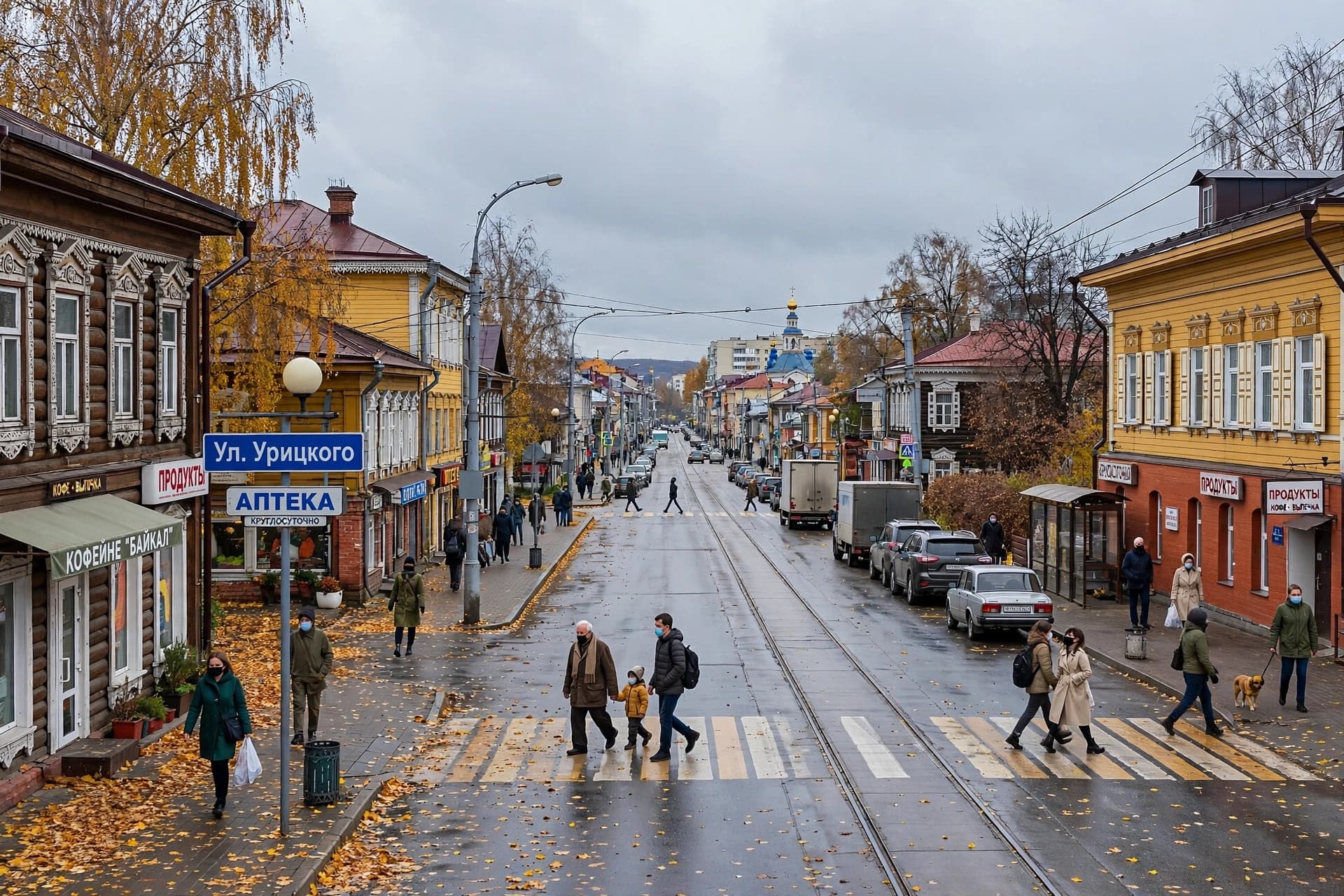
For days, rumors have swirled around Irkutsk, a Siberian city more than 2,600 miles east of Moscow. At their center is the death of a young woman—identified in local media as 28-year-old Darya Shipilova—who worked at the Anti-Plague Research Institute of Siberia and the Far East . Local reports suggested she may have contracted pneumonic plague after breaking a test tube . A governor of a neighboring region initially posted that she had died “from the plague,” later editing the message to say “possibly” .
The official response has been to deny, deflect, and call for calm. Rospotrebnadzor, Russia’s consumer watchdog, stated that the woman was diagnosed with “pneumonia of unknown etiology” and that no microorganisms linked to her professional activity were found in her samples . It said no emergency situations involving pathogenic microorganisms were identified at the institute . Kremlin spokesman Dmitry Peskov urged the public to rely only on official information .
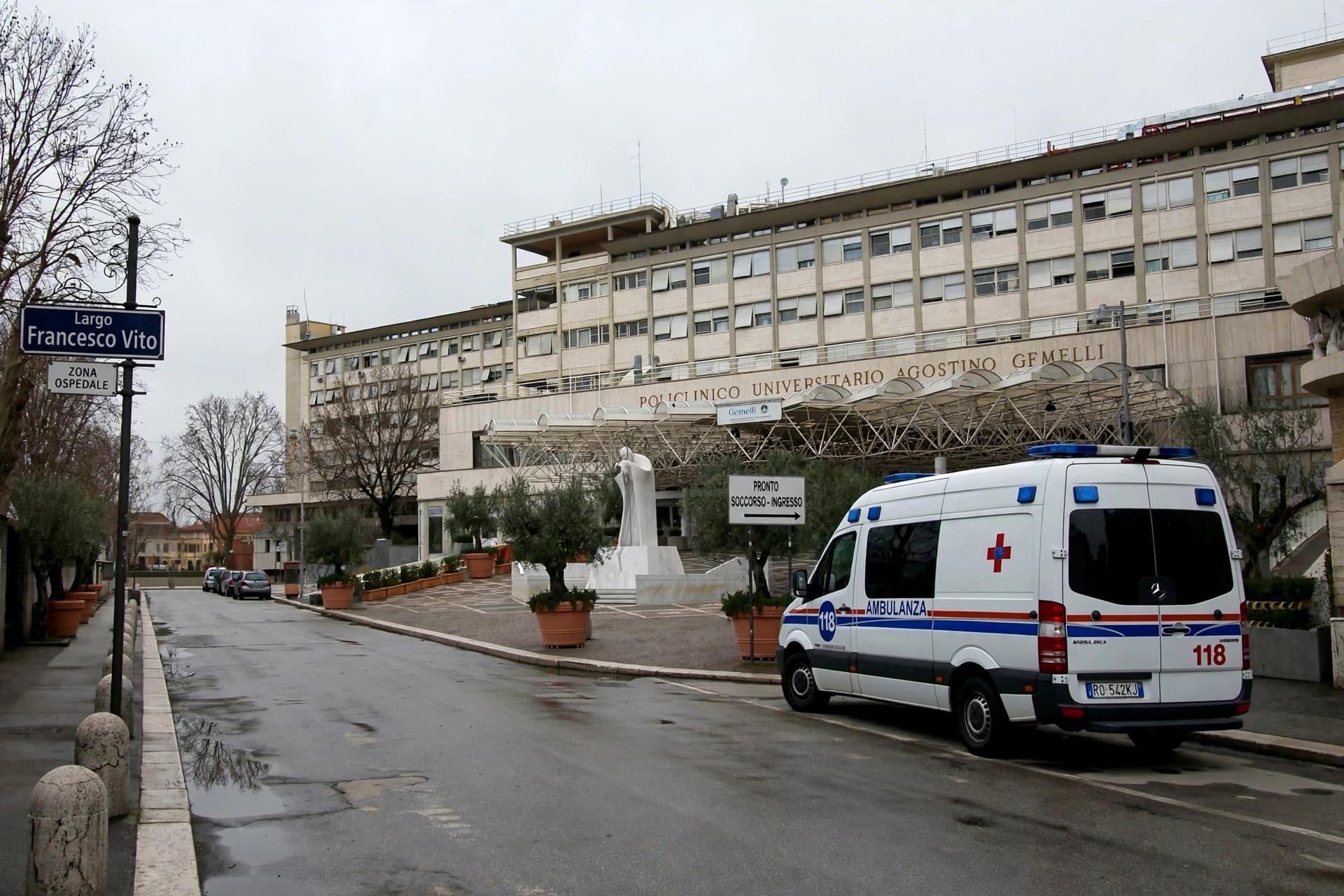
But the official line has done little to quiet the rumors. In Irkutsk, residents have watched with suspicion as hospitals were quarantined, contacts were placed under medical observation, and the chief sanitary physician flew in from Moscow . “People are not panicking here, but we don’t trust the authorities and the information they are providing,” one longtime resident told ABC News. “Everyone can see how the authorities have suddenly started to downplay this situation, following instructions from Moscow” .
The distrust has deep roots. Russia has a documented history of concealing public health emergencies, including the AIDS outbreak of the 1980s . The contradictory statements from local and federal officials—some suggesting plague, others denying it—have only deepened the sense that something is being withheld. At least three posts by a federal news network that named the deceased and reported she had researched plague were later deleted .
Experts have noted that the story as circulated contains inconsistencies. Vladimir Nikiforov, a leading Russian specialist on dangerous infections, pointed out that plague research is conducted in sealed boxes with strict safety protocols, and that a broken vial would not necessarily lead to infection . Angela Rasmussen, a virologist at the University of Saskatchewan, told CBC News that plague is “a much different pathogen” from COVID-19, and that infected people do not shed it asymptomatically . The World Health Organization has assessed the risk to Irkutsk as “moderate to low” and to the broader region as “low” .
For the people of Irkutsk, the question is not merely whether the plague was real. It is whether their government can be trusted to tell them the truth. In a region that once served as a center for Soviet biological research, and in a country where official narratives have often collapsed under scrutiny, the answer to that question may matter more than the disease itself.
AI Image Disclaimer: The images accompanying this article are generated by artificial intelligence and are intended for illustrative purposes only.
Sources: The New York Times, Australian Broadcasting Corporation, CBC News, BBC
Published by Banx Network. This article is part of the Banx decentralized media programme, powered by the BXE token on the XRP Ledger.