Key Highlights
- Russia's proposals include Finland's exit from NATO.
- A ban on NATO military bases in the Baltic states is also suggested.
- Kremlin denies any demand for Finland's NATO withdrawal.
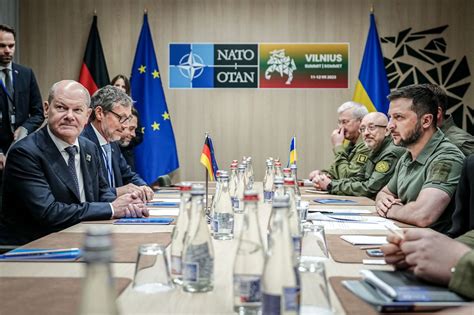
Russia has reportedly put forth a series of proposals aimed at ending the ongoing conflict in Ukraine, which include a demand for Finland to withdraw from NATO and a ban on NATO military bases in the Baltic states of Estonia, Latvia, and Lithuania. These proposals were discussed during informal talks held in Abu Dhabi, as reported by the German newspaper Bild. The discussions involved representatives from various European nations, highlighting the international dimension of the ongoing conflict.
The proposals are significant as they reflect Russia's strategic interests in the region, particularly concerning NATO's expansion and military presence near its borders. The Kremlin's insistence on Finland's exit from NATO underscores its long-standing opposition to NATO's eastward expansion, which it perceives as a direct threat to its national security. Additionally, the proposed ban on NATO bases in the Baltics indicates Russia's desire to limit NATO's military capabilities in proximity to its territory.
Kremlin spokesman Dmitry Peskov has publicly denied that Russia has made any formal demands regarding Finland's NATO membership, stating that the issue was not part of the discussions. This denial raises questions about the authenticity of the proposals reported by Bild and whether they represent a genuine negotiating position or are merely a strategic maneuver by Russia to gauge Western responses.
The proposals are not an agreed-upon peace plan but rather a reflection of Russia's negotiating stance. The situation remains fluid, with ongoing discussions and diplomatic efforts aimed at resolving the conflict. The international community continues to monitor these developments closely, as they could have significant implications for regional security and the broader geopolitical landscape.
As the conflict in Ukraine persists, the dynamics of NATO's involvement and Russia's military strategy will likely remain central to discussions among European leaders. The potential for Finland's NATO exit and restrictions on military bases in the Baltics could reshape the security architecture of Northern Europe, prompting a reevaluation of defense strategies among NATO member states.
In conclusion, the reported proposals from Russia highlight the complexities of the ongoing negotiations and the challenges faced in achieving a lasting peace in Ukraine. The responses from NATO and European leaders will be crucial in determining the future trajectory of these discussions and the overall stability of the region.
Published by Banx Network. This article is part of the Banx decentralized media programme, powered by the BXE token on the XRP Ledger.