Key Highlights
- Proposed Change:Iran's parliament is considering a significant overhaul of its Intelligence Ministry.
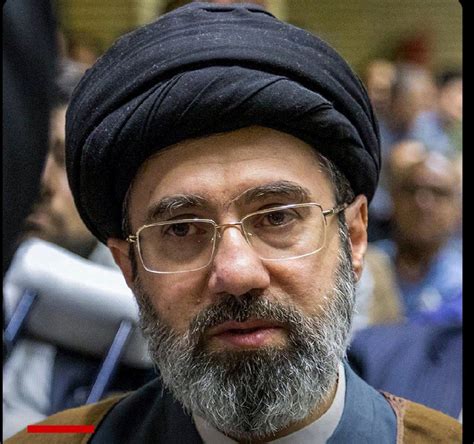
- Leadership Control:The proposal could allow a non-cleric to lead the ministry, enhancing Supreme Leader Mojtaba Khamenei's control.
- Recent Context:This move follows the assassination of former minister Esmail Khatib, which left a leadership vacancy for eight months.
Iran's parliament is currently deliberating a potential overhaul of its Intelligence Ministry that could significantly alter the structure of its internal security apparatus. The proposed changes would allow for the appointment of a non-cleric to lead the ministry, a shift that could enhance the power of Supreme Leader Mojtaba Khamenei. Under the new proposal, Khamenei would gain direct appointment authority over two new bodies focused on internal security and ideological matters, which would further consolidate his influence over Iran's intelligence operations.
The intelligence minister, while still nominated by the president, would require parliamentary approval, maintaining a semblance of legislative oversight. This proposed change comes in the wake of the assassination of former intelligence minister Esmail Khatib, who was killed in an Israeli strike. His death left a significant leadership vacuum within the ministry, prompting the current discussions about restructuring.
The bill is still in the proposal stage and has not yet been approved by parliament. As of now, no candidates have been named for the intelligence minister position, indicating that the discussions are still in their early phases. The potential for a non-cleric to take the helm of the Intelligence Ministry marks a notable shift in Iran's political landscape, which has traditionally been dominated by clerical figures.
This overhaul could have far-reaching implications for Iran's intelligence operations and its approach to internal security. By empowering Khamenei with greater control over intelligence and security matters, the regime may be seeking to strengthen its grip on power amid ongoing regional tensions and internal dissent. The proposed changes reflect a broader trend within the Iranian government to adapt its security apparatus in response to perceived external threats and internal challenges.
As the situation develops, observers will be closely monitoring the outcomes of these discussions and the potential candidates for the intelligence minister role. The implications of this overhaul could reshape Iran's intelligence landscape and its approach to both domestic and international security issues.
Published by Banx Network. This article is part of the Banx decentralized media programme, powered by the BXE token on the XRP Ledger.