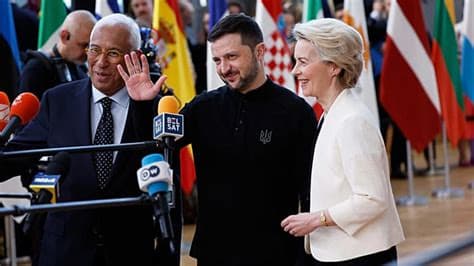
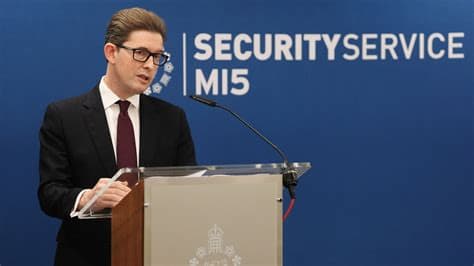
International concern intensified after online reports claimed intelligence sources warned of a potential Russian Oreshnik missile attack targeting areas across Ukraine. The reports rapidly spread across social media platforms, fueling fears that the ongoing conflict could be entering an even more volatile and unpredictable phase. Although official verification remains limited, the possibility of advanced missile deployments immediately triggered global attention due to the already fragile geopolitical environment surrounding the Russia-Ukraine war. Military analysts noted that any escalation involving high-impact strike systems could significantly increase international tensions and raise fears of broader regional instability. The war in Ukraine has already reshaped global politics, energy markets, defense strategies, and economic alliances over the past several years. Nations across Europe and beyond continue balancing military support, diplomatic pressure, sanctions, and economic resilience while monitoring the risk of further escalation. Reports mentioning advanced missile systems tend to generate heightened reactions because they symbolize the increasing technological sophistication of modern warfare. Long-range strike capabilities, drones, and precision systems are now central components of contemporary military strategy, dramatically changing battlefield dynamics and international security planning. Social media platforms played a major role in amplifying the latest claims, with viral posts generating millions of views within hours. However, analysts continue urging caution regarding unverified wartime information, as misinformation and propaganda frequently circulate during periods of conflict. Global markets also remain sensitive to developments involving Russia and Ukraine due to the conflict’s influence on commodities, shipping routes, grain exports, and energy supplies. Previous escalations have triggered volatility across oil, natural gas, agricultural products, and risk-sensitive financial sectors. Meanwhile, defense and cybersecurity experts warn that modern conflicts increasingly extend beyond physical battlefields into information warfare, digital infrastructure, and economic influence campaigns. The rapid spread of geopolitical narratives online now plays a direct role in shaping public sentiment and investor behavior worldwide. As governments continue monitoring developments, international organizations are expected to push for restraint and diplomatic engagement to prevent broader instability. The ongoing conflict remains one of the most consequential geopolitical crises of the modern era, with every escalation carrying potential worldwide implications.
Published by Banx Network. This article is part of the Banx decentralized media programme, powered by the BXE token on the XRP Ledger.