The machinery of democracy often hums quietly in the background, unnoticed until a gear slips or a lever is pulled. In the weeks leading up to the 2026 midterm elections, that machinery has become the center of a fierce legal and political storm. The Supreme Court’s recent decision to side with the Trump administration on new mail voting restrictions marks a pivotal moment in the ongoing debate over access and security. It is a ruling that reshapes the landscape of civic participation, inviting both relief from those who prioritize stringent protocols and concern from advocates of broad electoral inclusion.
The case centered on an executive order issued by the President earlier this year, which sought to impose stricter verification requirements for mail-in ballots. The administration argued that these measures were necessary to restore public confidence in the integrity of the election system, citing isolated instances of irregularities in previous cycles. Opponents, including several state governments and civil rights groups, contended that the rules would create unnecessary barriers for millions of voters, particularly the elderly, disabled, and those living in rural areas.
The Supreme Court’s majority opinion emphasized the federal government’s authority to set standards for federal elections, particularly when it comes to preventing fraud. The justices noted that while the right to vote is fundamental, it is not absolute and must be balanced against the state’s interest in ensuring that every valid vote is counted accurately. The ruling allows the Postal Service to implement new tracking and identification protocols for mail-in ballots, effective immediately for the upcoming midterms.
Critics of the decision argue that the timing is problematic, with less than three months remaining until Election Day. They warn that changing the rules so close to the election could lead to confusion and disenfranchisement. Many states have already printed ballots and trained poll workers based on existing laws, and the sudden shift requires a rapid and costly adjustment. Legal experts suggest that the logistical challenges may result in longer lines and delayed results, potentially undermining the very confidence the administration seeks to build.
Supporters, however, view the ruling as a victory for election security. They point to the increased use of mail-in voting in recent years and argue that stronger safeguards are long overdue. For many voters, the assurance that their ballot will be handled with rigorous care provides peace of mind. The administration has pledged to provide additional resources to help states adapt to the new requirements, aiming to minimize disruption.
The political implications are significant. With control of Congress hanging in the balance, both parties are mobilizing their bases around the issue. Democrats have framed the restrictions as an attack on voting rights, while Republicans have hailed them as a necessary step to protect the sanctity of the ballot. The rhetoric has intensified, with rallies and campaigns focusing heavily on the theme of election integrity.
As the midterms approach, the focus now shifts to implementation. State election officials are working around the clock to update systems and educate voters on the new procedures. Public awareness campaigns are being launched to ensure that citizens understand the changes and can navigate the new requirements successfully. The success of these efforts will determine whether the ruling leads to a smoother election or a more contentious one.
The Supreme Court’s decision places new responsibilities on voters and election administrators alike. As the nation prepares to head to the polls, the challenge will be to ensure that the process remains both secure and accessible, honoring the democratic ideals that underpin the American experiment.
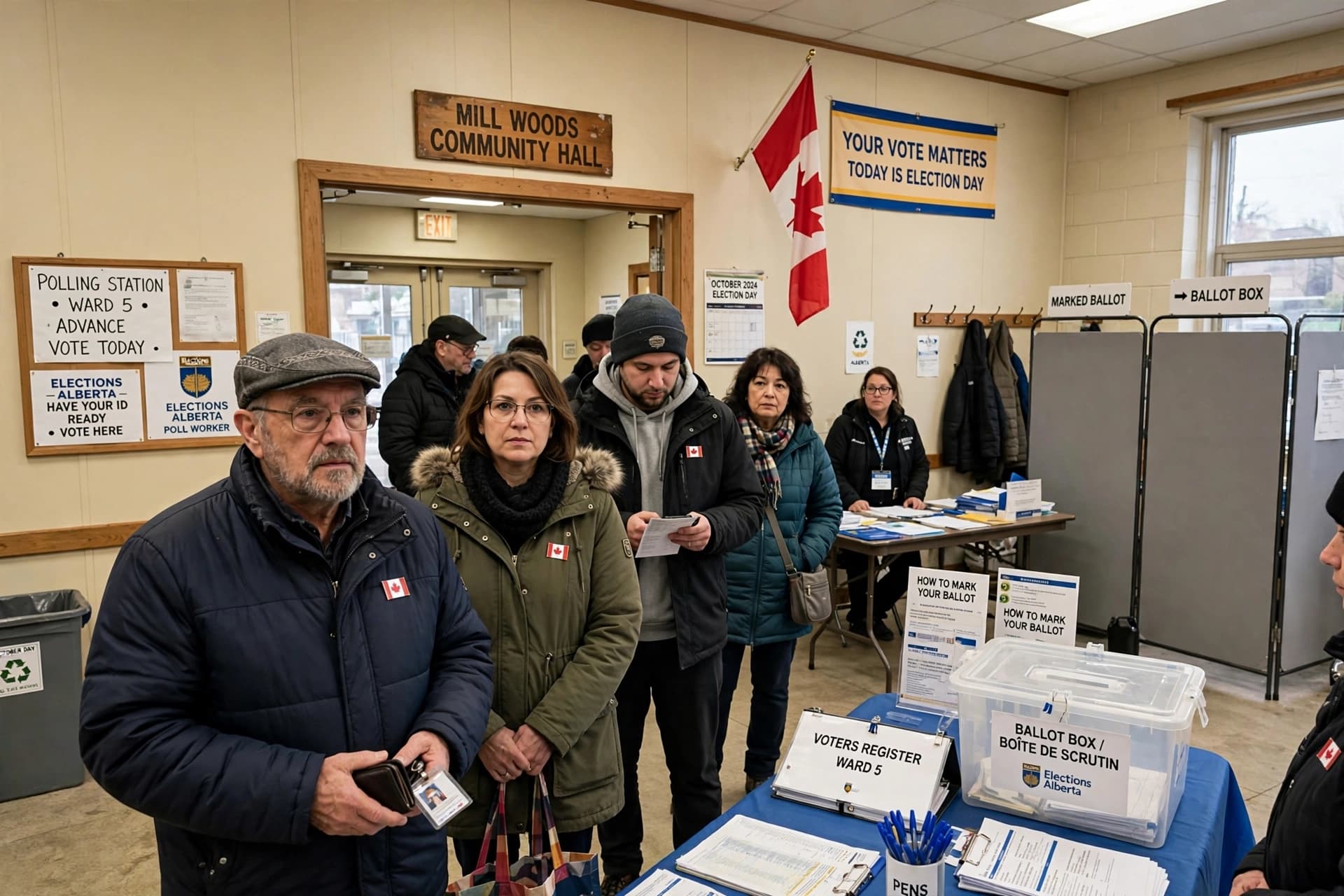
AI Image Disclaimer: Please note that any accompanying illustrations for this piece are AI-generated representations intended to evoke the mood of the described events.
Sources: SCOTUSblog, Votebeat, The Brennan Center for Justice, Associated Press
Published by Banx Network. This article is part of the Banx decentralized media programme, powered by the BXE token on the XRP Ledger.