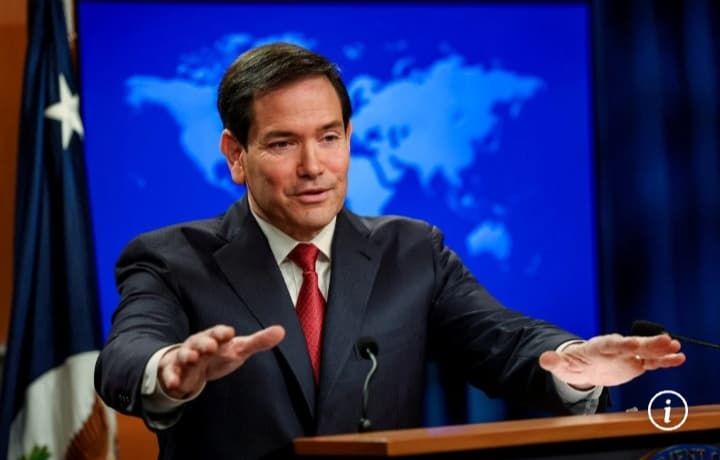
In late December 2025, Senator Marco Rubio announced a significant change in his approach towards China, moving from a hawkish stance to one that emphasizes diplomatic engagement. Traditionally known for his aggressive rhetoric against Chinese policies, Rubio's recent statements suggest he now views dialogue and cooperation as vital components for navigating the complexities of U.S.-China relations.
This shift is particularly noteworthy given the heightened tensions between the two nations over trade disputes, military posturing in the South China Sea, and human rights issues. Rubio cited the need for constructive dialogue to address these challenges effectively, expressing concern that a purely confrontational strategy could further escalate tensions and lead to unforeseen consequences.
Rubio’s pivot also aligns with a growing sentiment among U.S. lawmakers who recognize the importance of engaging with China on global issues such as climate change and public health. In interviews, he stated, “We can no longer afford to bury our heads in the sand. Effective diplomacy is essential for securing our national interests and addressing global challenges that affect us all.”
Critics of his previous hardline approach welcomed the change, arguing that cooperation is more likely to result in positive outcomes than isolationist or antagonistic policies. However, some conservative voices remain skeptical, warning that any signs of weakness could embolden Chinese aggression in regions like Taiwan.
As 2026 approaches, Rubio's new strategy may set the stage for how the U.S. approaches its relationship with China going forward. Observers will be keen to see if this diplomatic pivot will accompany tangible policy changes or if it is merely a rhetorical shift designed to appeal to a broader audience.
In summary, Senator Rubio's transition from a hawkish to a diplomatic stance marks a pivotal moment in U.S.-China relations, highlighting the need for engagement in an increasingly complex geopolitical landscape.
Published by Banx Network. This article is part of the Banx decentralized media programme, powered by the BXE token on the XRP Ledger.