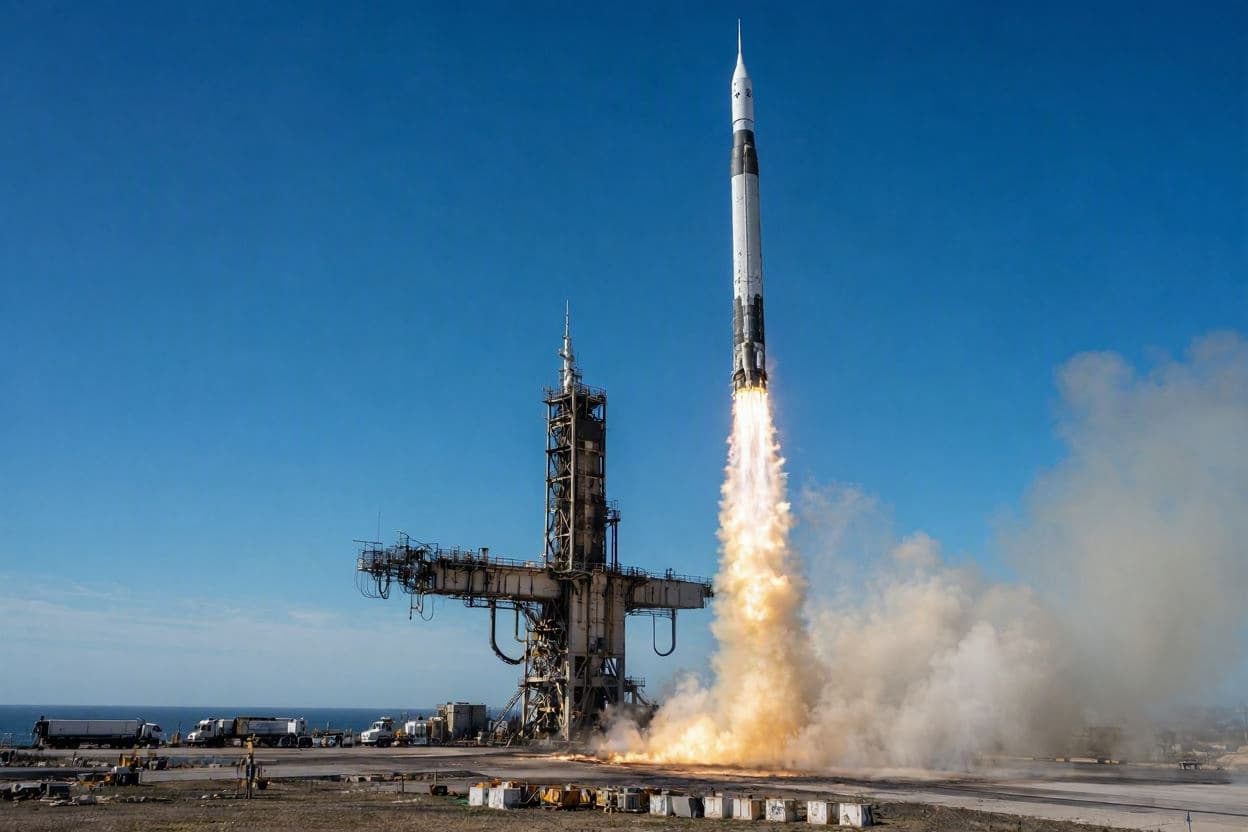
The sky above the United States is no longer a quiet canvas; it has become a busy thoroughfare. With rocket launches occurring almost daily, the nation has entered a new era of space access characterized by frequency, reliability, and commercial vitality. This surge in activity is not a temporary spike but the beginning of a sustained expansion, driven by technological advancements and growing demand for space-based services.
At the heart of this boom is the revolution in reusable rocket technology. Companies like SpaceX have demonstrated that landing and refurbishing boosters significantly reduces costs and turnaround times. What was once a monumental effort requiring months of preparation can now be executed with the regularity of commercial airline flights. This shift has lowered the barrier to entry for satellites, scientific missions, and even tourism.
The demand for space infrastructure is exploding. From global internet constellations to Earth observation satellites monitoring climate change, the need for orbital assets is greater than ever. Government agencies like NASA are also increasing their launch cadence, aiming for lunar returns and Mars exploration. This multi-sector demand ensures that launch pads remain active, driving further investment in infrastructure and workforce development.
Looking ahead, the pace is expected to accelerate. New players are entering the market, bringing diverse technologies and competitive pressure. Companies like Blue Origin, Rocket Lab, and Relativity Space are expanding their capabilities, offering alternatives to dominant providers. This competition fosters innovation, leading to safer, cheaper, and more efficient launch systems.
Regulatory frameworks are evolving to keep up with this growth. The Federal Aviation Administration (FAA) and other agencies are working to streamline licensing processes while ensuring safety and environmental protection. Balancing rapid expansion with responsible stewardship is a key challenge, but one that is being addressed through collaborative efforts between industry and government.
The economic impact of this space economy is substantial. It creates high-tech jobs, stimulates local economies near launch sites, and drives advancements in materials science, engineering, and software. The ripple effects extend beyond the aerospace sector, influencing telecommunications, agriculture, and disaster response through improved satellite data.
For the public, the frequent launches serve as a visible reminder of human ambition. They inspire curiosity and engagement with science and technology. As space becomes more accessible, it transitions from a realm of exclusive government programs to a domain of commercial opportunity and public participation. This democratization of space is a defining feature of the current era.
As we look to the future, the daily launch will likely become mundane, a routine part of our logistical landscape. But each liftoff carries the potential for discovery, connection, and progress. The increase in launch frequency is not just about numbers; it is about opening the door wider to the stars, ensuring that humanity’s presence in space is robust, resilient, and ready for whatever comes next.
AI Image Disclaimer: Visuals in this article are AI-generated illustrations of launch sites and rocket trajectories, designed to reflect the theme of increased space activity without depicting specific real-time events.
Sources: SpaceNews, FAA, CNBC, Reuters
Published by Banx Network. This article is part of the Banx decentralized media programme, powered by the BXE token on the XRP Ledger.