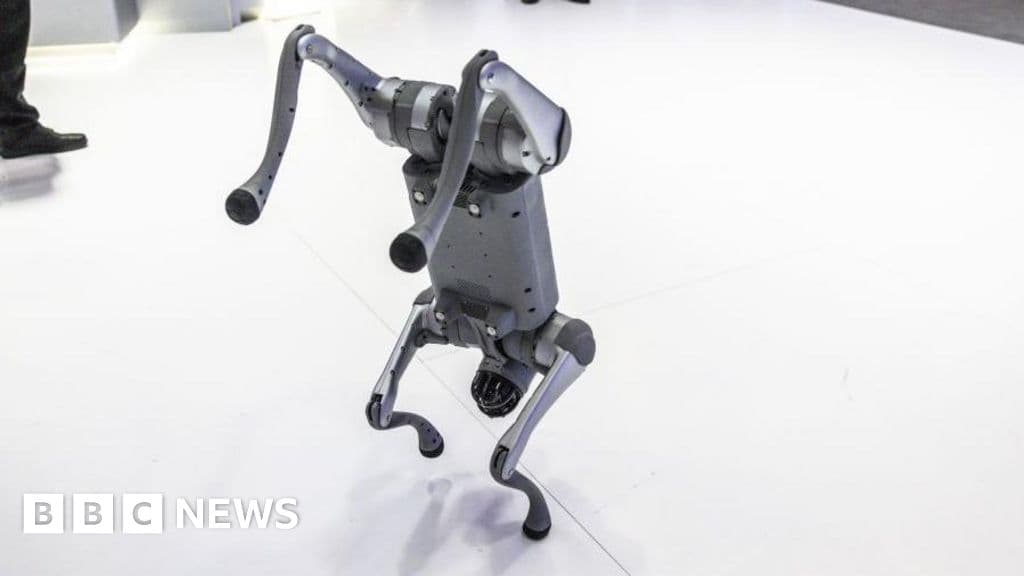
Galgotias University is facing significant backlash after it claimed ownership of a robot dog, which was actually developed by a Chinese company, during the recent AI summit in India. This incident has raised questions about intellectual property rights and ethical practices in the burgeoning field of artificial intelligence and robotics.
The event aimed to showcase innovative technologies developed within India, and the university's misrepresentation has sparked outrage among attendees, industry experts, and fellow academics. Critics argue that such actions undermine the integrity of Indian innovation and damage the credibility of institutions involved in technological advancement.
University officials have since stated that the incident was unintentional, asserting that they were unaware of the origins of the technology presented. However, the backlash continues as many call for greater scrutiny and accountability regarding the claims made by academic institutions, particularly in high-stakes environments like technology summits.
This controversy serves as a reminder of the importance of transparency and ethical standards in technology development, especially as nations increasingly compete in the global market for artificial intelligence advancements. The fallout from this incident may prompt broader discussions on how educational and research institutions present their work and the need for rigorous verification processes to ensure authenticity.
Published by Banx Network. This article is part of the Banx decentralized media programme, powered by the BXE token on the XRP Ledger.