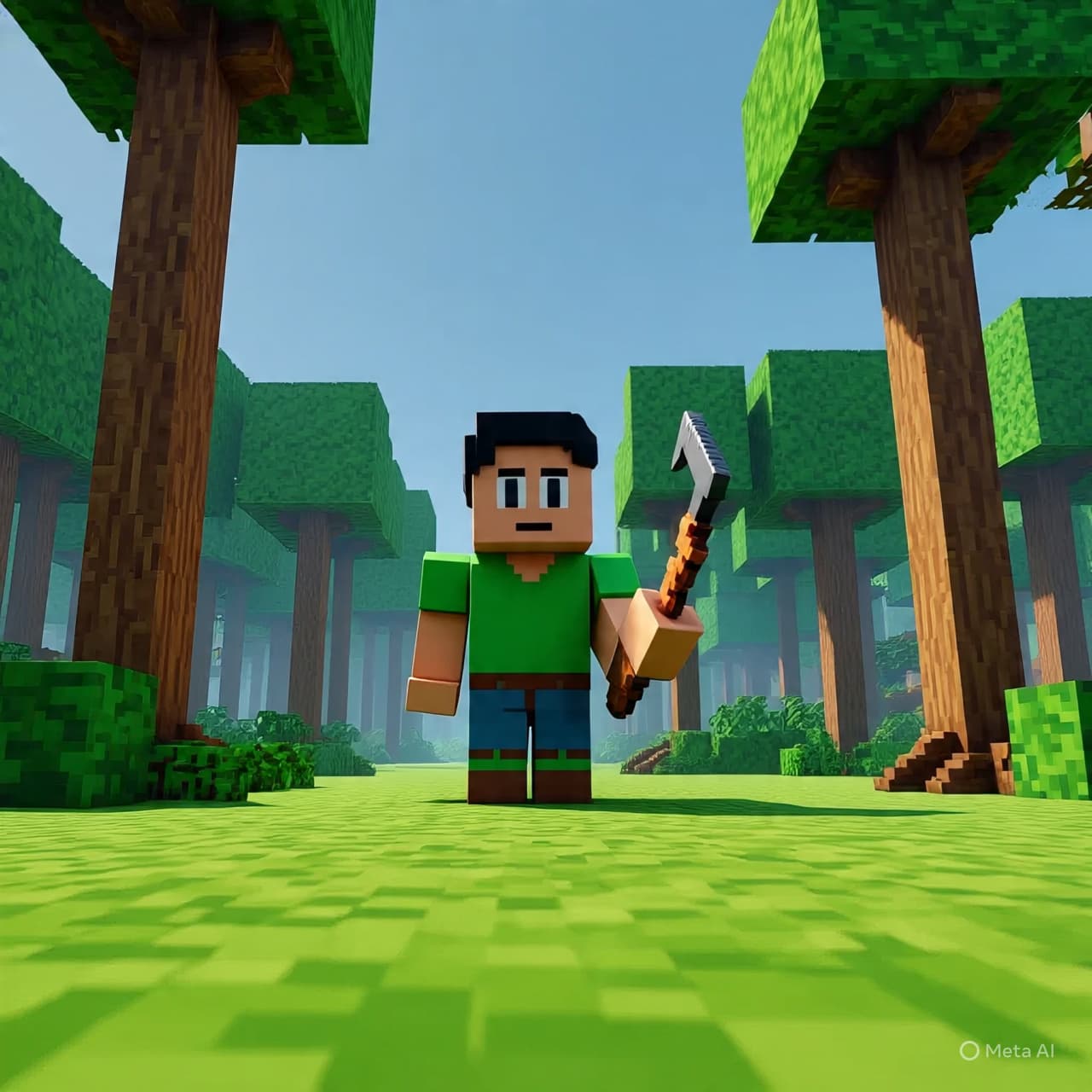
In the frost-bitten stillness of a Siberian afternoon, a small circle of people stood bundled against the cold, a handful of hand-drawn signs like bright feathers against the snow. In the city of Tomsk, several dozen residents — parents, children, and everyday citizens — gathered not over bread or trade, but in defense of a virtual world where millions of young voices once played, learned, and created. Their message, carried softly in the Siberian wind, was simple yet striking: “Hands off Roblox.”
For years, the Roblox gaming platform has been a digital playground and creative canvas for children and teens across the globe. What began as a collection of blocky landscapes and quirky avatars grew into a place where users built entire worlds, socialized with friends, and even dipped their toes into coding and design. But in early December, Russia’s communications watchdog Roskomnadzor blocked access to the platform, arguing that Roblox was “rife with inappropriate content” harmful to children’s spiritual and moral development.
In a country where access to Western digital platforms has steadily narrowed — with social media like Snapchat, Instagram, and YouTube already restricted — the ban on Roblox struck a chord with many, especially younger families. What made the protest in Tomsk remarkable was not just its rare public nature, but the spirit behind it: a gentle but firm pushback against digital censorship that, for many, felt out of step with the modern world where children circumvent bans with VPNs in a few clicks.
Signs reading “Roblox is the victim of the digital Iron Curtain” reflected a broader unease among protesters. The lines between physical space and virtual experience blur more each year, and for many young Russians, platforms like Roblox are social hubs, learning spaces, and community realms. To see them restricted under the banner of protection was, to some, like watching a familiar path close — not for their safety, but for something harder to pin down.
Yet the debate around the ban is not without complexity. Some parents and educators echo official concerns about harmful content or unsafe interactions online. They see merits in tighter controls, especially when it comes to protecting children in an unpredictable digital landscape. And Russia’s officials maintain that such censorship is part of defending national values in a perceived “information war.”
Still, the Tomsk protest served as a quiet mirror: reflecting not only discontent over a single gaming platform, but a deeper conversation about how societies balance safety, openness, and digital freedom in an era where the virtual world is as real as any physical street.
Whether this small gathering will inspire larger movements or influence future decisions remains to be seen. But for a moment, on a snowy park lawn in Siberia, voices rose — not in anger, but in plea — for a space where young imaginations can still wander freely.
AI Image Disclaimer “Illustrations were produced with AI and serve as conceptual depictions.”
Listed Sources Reuters Times of India NDTV Cryptopolitan Tech in Asia
Published by Banx Network. This article is part of the Banx decentralized media programme, powered by the BXE token on the XRP Ledger.