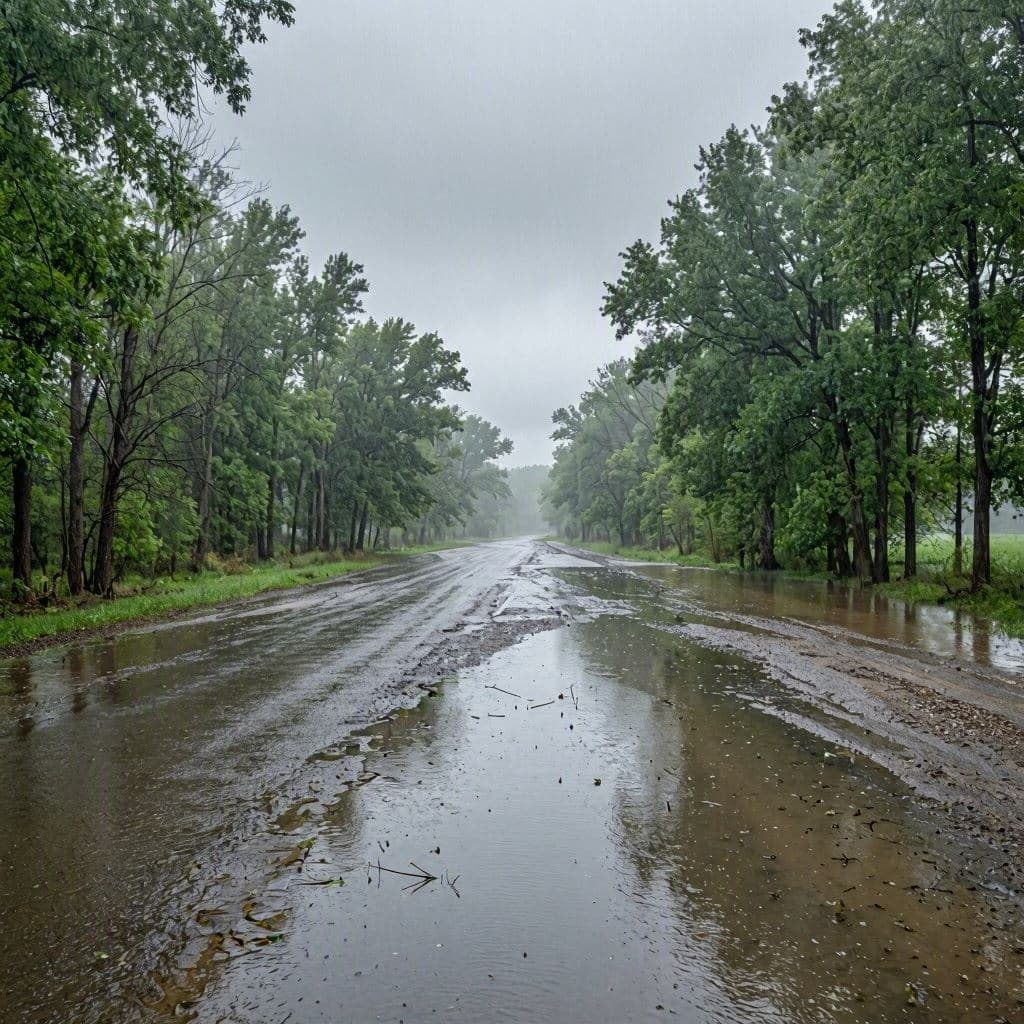
Water is the lifeblood of the landscape, nourishing crops and filling lakes, but when it arrives with unrelenting force, it can transform familiar terrain into a scene of chaos. In parts of Minnesota, recent storms have delivered more than seven inches of rain in a short span, overwhelming drainage systems and saturating the earth. The result has been widespread flooding and dangerous mudslides, disrupting lives and reminding residents of the powerful, unpredictable nature of the elements. This deluge serves as a sobering reflection on the vulnerability of communities to extreme weather events.
The heavy rainfall, concentrated primarily in southeastern counties such as Fillmore and Houston, fell with intense speed, leaving little time for the ground to absorb the moisture. Radar estimates confirmed totals exceeding seven inches in some areas, while neighboring regions saw five inches or more. This rapid accumulation turned small creeks into raging torrents and caused rivers to breach their banks, inundating roads, basements, and agricultural fields. The sheer volume of water overwhelmed infrastructure designed for more moderate precipitation patterns.
In hilly areas, the saturated soil lost its stability, leading to mudslides that blocked roadways and threatened homes. Emergency responders worked tirelessly to clear debris and assist stranded motorists, navigating treacherous conditions to ensure public safety. The mudslides highlighted the specific geological risks faced by communities in river valleys and steep terrains, where water runoff can quickly erode support structures and trigger landslides. For many residents, the sight of earth moving down slopes was a startling reminder of the land’s fragility.
Farmers, already grappling with economic pressures, faced significant losses as fields were submerged and crops damaged. The timing of the rain, coming during critical growth periods, added to the financial strain on rural economies. Livestock owners struggled to move animals to higher ground, while equipment lay idle in flooded barns. The agricultural impact extends beyond immediate damage, affecting harvest yields and long-term soil health, which may take seasons to recover.
Local governments declared states of emergency, mobilizing resources to support affected families and businesses. Shelters were opened for those displaced by rising waters, and National Guard units were deployed to assist with sandbagging and rescue operations. The community response was swift and compassionate, with neighbors helping neighbors to mitigate the damage. This collective effort underscored the resilience of Minnesotans in the face of natural disasters.
Climate experts note that such extreme precipitation events are becoming more frequent, consistent with broader trends in weather patterns. Warmer air holds more moisture, leading to heavier downpours when storms develop. While individual weather events cannot be solely attributed to climate change, the increasing intensity of rainfall aligns with scientific projections. This context adds urgency to discussions about infrastructure adaptation and flood mitigation strategies.
As the waters recede, the focus shifts to recovery and assessment. Damage assessments are underway to determine the extent of losses and allocate federal aid. Residents begin the arduous task of cleaning up, salvaging what they can, and planning for repairs. The emotional toll of such events is significant, leaving many with a sense of uncertainty about the future. Yet, there is also a renewed determination to rebuild stronger and more resiliently.
The flooding and mudslides in Minnesota following heavy rainfall highlight the ongoing challenge of managing extreme weather impacts. As communities recover, the event serves as a catalyst for improved preparedness and infrastructure investment. The resilience shown by residents and responders offers hope, even as the scars of the storm remain visible in the landscape.
AI Image Disclaimer: Please note that any accompanying visuals are AI-generated interpretations designed to illustrate the environmental concepts discussed.
Sources: National Weather Service Minnesota Public Radio Star Tribune Weather.gov
Published by Banx Network. This article is part of the Banx decentralized media programme, powered by the BXE token on the XRP Ledger.