The early light of morning in the Philippine countryside finds villages cloaked in mist and the lingering scent of wet earth. Streets, once familiar paths, are now rivers of brown water carrying debris, remnants of roofs and possessions swept away by the storm. The sound of rushing water competes with the murmurs of families regrouping, assessing damage, and counting the missing.
Tropical rains, relentless for days, have carved new landscapes: hillsides weakened, rivers swollen beyond their banks. At least eight lives have been lost, according to local authorities, while thousands have been displaced, seeking refuge in temporary shelters. Homes are submerged, crops destroyed, and infrastructure battered, leaving communities in a delicate balance between survival and despair.
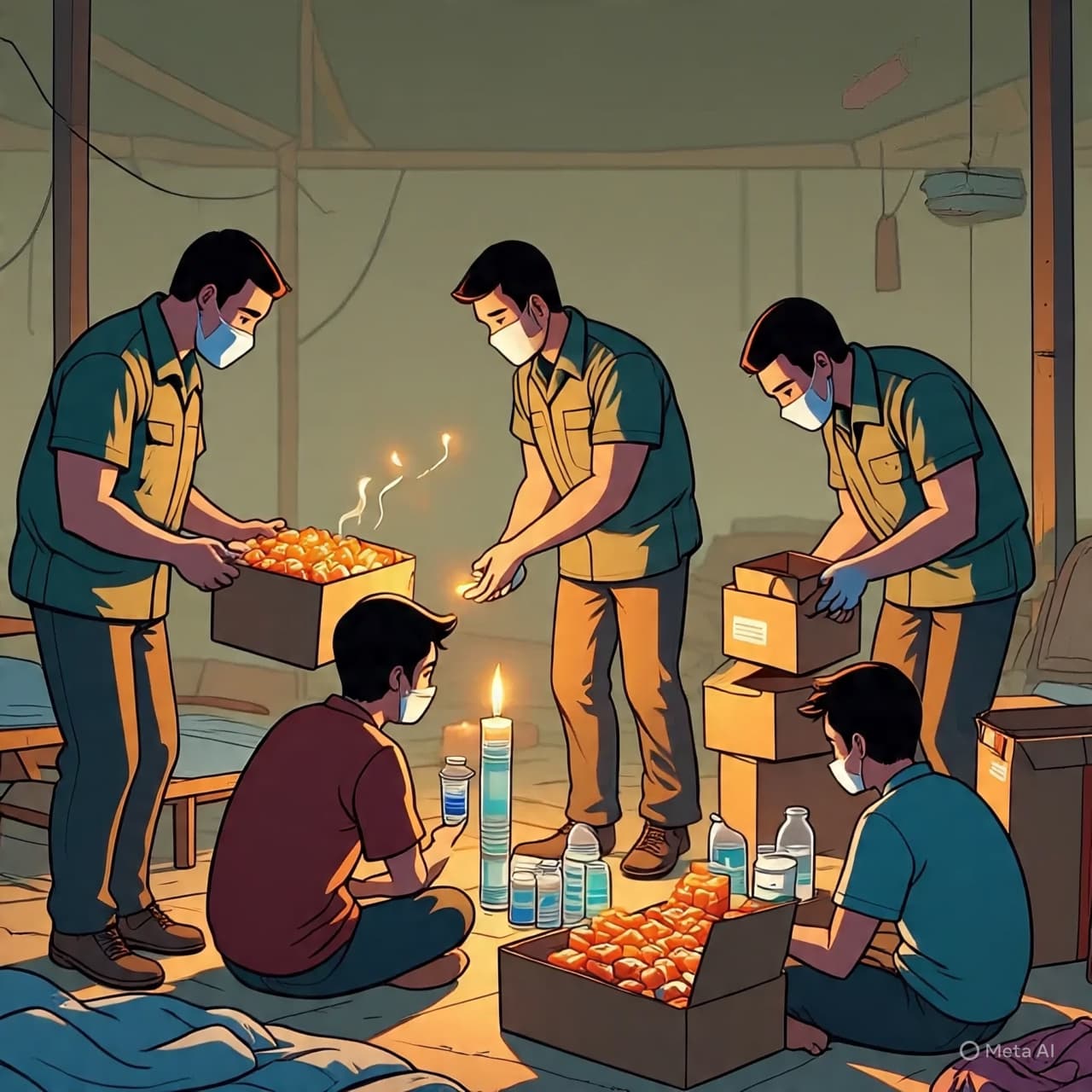
The response is both urgent and methodical. Relief teams navigate flooded roads to deliver food, water, and medical assistance. Local governments coordinate evacuations and assess landslide-prone areas. Amid the chaos, the quiet resilience of neighbors emerges: families sharing meals in shelters, volunteers guiding the elderly through waterlogged streets, and children finding small moments of play in puddles, a fragile assertion of normalcy.
As waters recede, the aftermath is clear but incomplete. Recovery will be measured in rebuilding homes, repairing roads, and restoring livelihoods, but also in the slow restoration of community and spirit. The storm’s memory lingers, a reminder of nature’s force and human vulnerability, yet also of the determination that rises in response to calamity.
AI Image Disclaimer Visuals are AI-generated and serve as conceptual representations.
Sources Reuters BBC News Al Jazeera Philippine Daily Inquirer Associated Press
Published by Banx Network. This article is part of the Banx decentralized media programme, powered by the BXE token on the XRP Ledger.