There is a particular stillness that comes before water overflows its banks — a pause in daily life as skies grow heavy and landscapes begin to change. In northern Namibia, that quiet prelude is growing more pronounced. As rainfall forecasts indicate above‑normal precipitation for regions including Oshana, Ohangwena, Oshikoto and Omusati, authorities and communities alike are casting wary eyes on the skies and waterways, mindful that the promise of rain can all too easily become the threat of flooding.
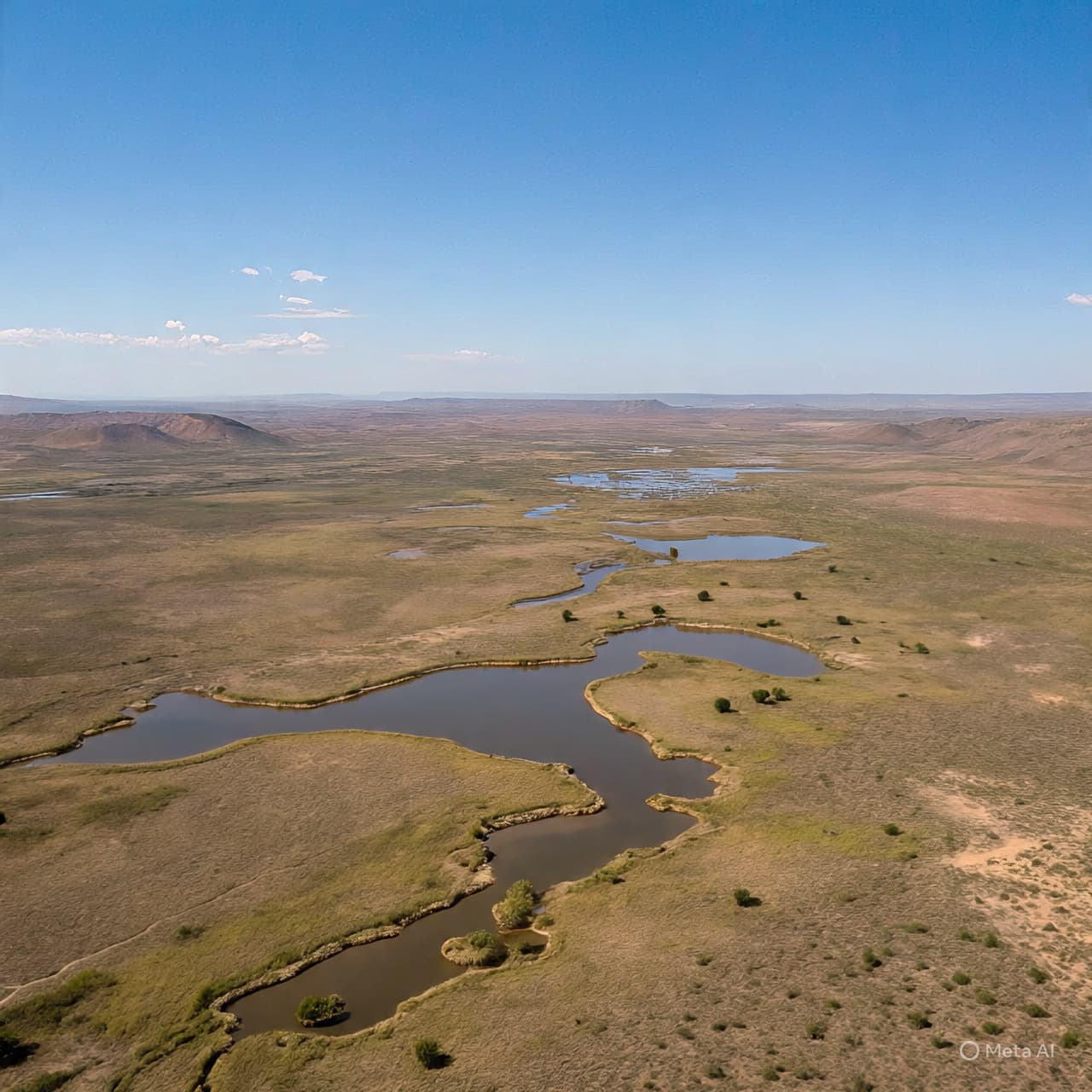
Namibia’s recent wet seasons have brought both relief and challenge. After years of drought, one of the wettest rainfall seasons in decades helped replenish water reserves and grazing lands. But it also brought its share of flood damage, displaced households and infrastructure disruption in parts of the country, particularly the north and northeast, where watercourses and flood plains — known locally as oshana — can quickly fill and spill into communities.
The government’s own risk assessments suggest that above‑normal rains are likely in the northern reaches of the country, including along the border with Angola, where heavy rains upstream often feed into Namibia’s flood plains. In years past, such conditions have led to widespread inundation of roads, schools and homes, and sometimes forced residents to seek higher ground as waters rose. Experts note that where roads and infrastructure are low‑lying, even moderate floods can disrupt travel and access to essential services.
For many in regions such as Omusati and Ohangwena, the term efundja is familiar — a local name for the seasonal floods that come with good rains. These floods bring both benefits and hardships: replenishing soil moisture and grazing lands while also cutting off access between villages and town centres, submerging fields and isolating families. In especially heavy events, schools have closed and health facilities have become difficult to reach, reminding communities of the delicate balance between rain’s life‑giving and destructive forces.
Memories of previous flood years — from the severe inundations recorded in 2008 and 2011 to more recent episodes where homes around Oshakati and Ondangwa were submerged — lend a backdrop of concern to current forecasts. These events affected tens of thousands of people, damaged infrastructure and displaced many families, illustrating how quickly water levels can rise when rainfall intensity increases over a short period.
While many residents welcome the end of drought and the return of greener pastures, the spectre of flooding serves as a reminder that nature’s cycles are complex. Authorities are urging proactive water management, regular monitoring of water bodies and preparedness measures to reduce risks to life and property. In the north, where low‑lying topography and seasonal rivers dominate, preparedness — from safeguarding livestock to protecting roads and homes — becomes part of daily conversation during the rainy season.
As the north braces for what may be another season of heavy rain and rising water levels, there is a sense that the landscape itself is speaking — reminding residents of both the bounty and the unpredictability that rain can bring. For communities along Oshanas and near rivers, that whisper of possible floodwaters is not just a forecast; it is a call to watch, to prepare, and to protect against the tides that gather quietly before they break.
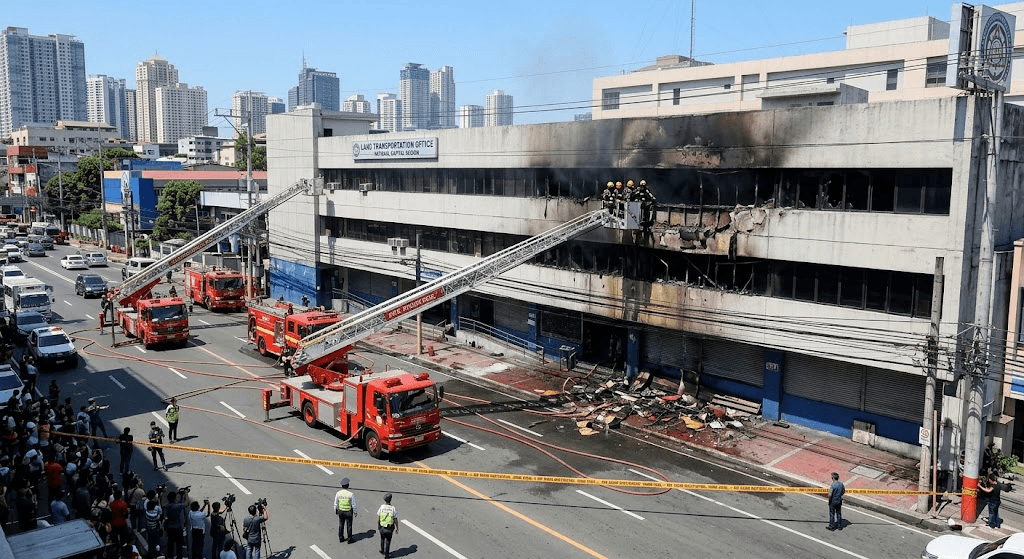
AI Image Disclaimer “Visuals are created with AI tools and are intended for conceptual representation, not real photographs.”
Sources Govt issues flood risk warning — flood forecasts and seasonal risk insights for northern Namibia. Good rains in North flood oshanas and cause efundja — local flood phenomena linked to seasonal rains. Oshakati and Ondangwa homes flooded after heavy rainfall — recent impacts from heavy rainfall in northern towns. A study of northern Namibia floods — historical flooding impacts in northern regions.
Published by Banx Network. This article is part of the Banx decentralized media programme, powered by the BXE token on the XRP Ledger.