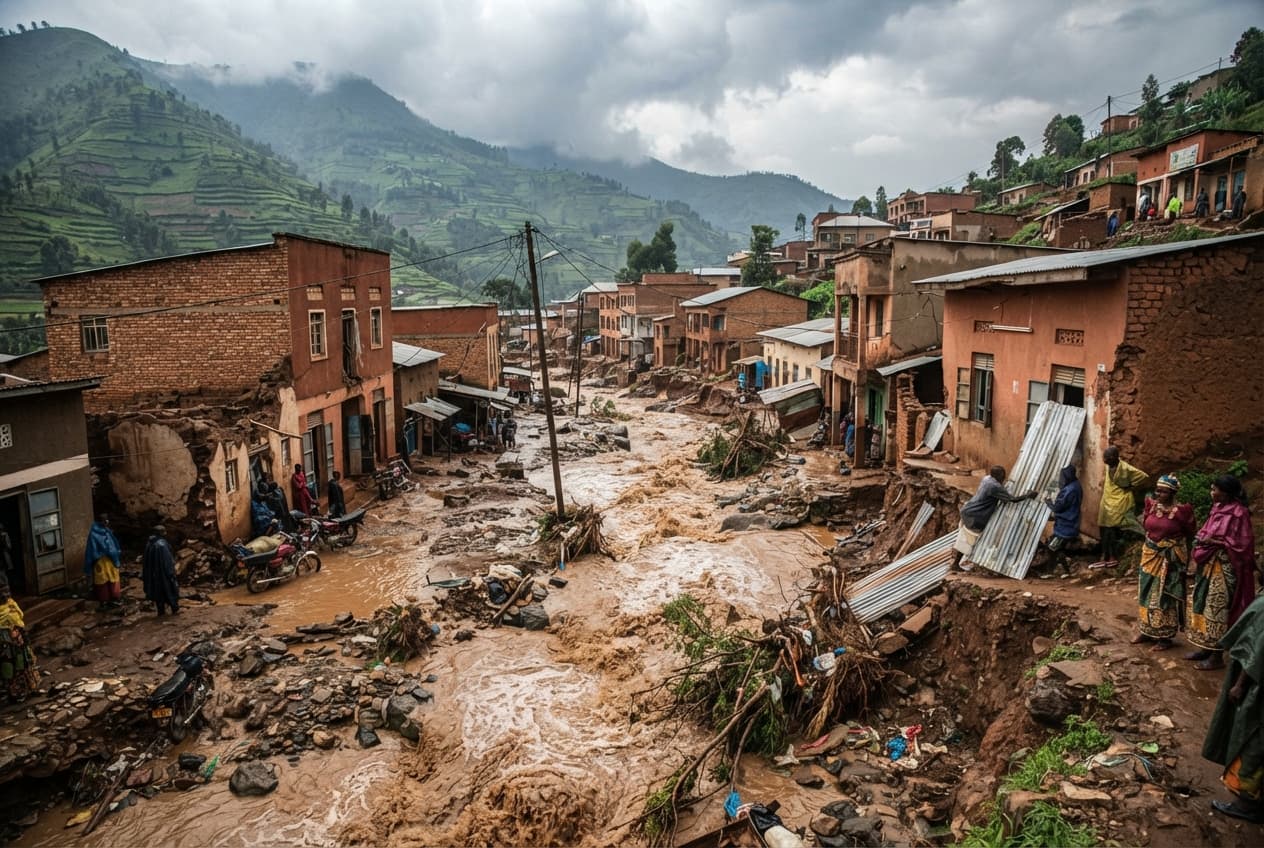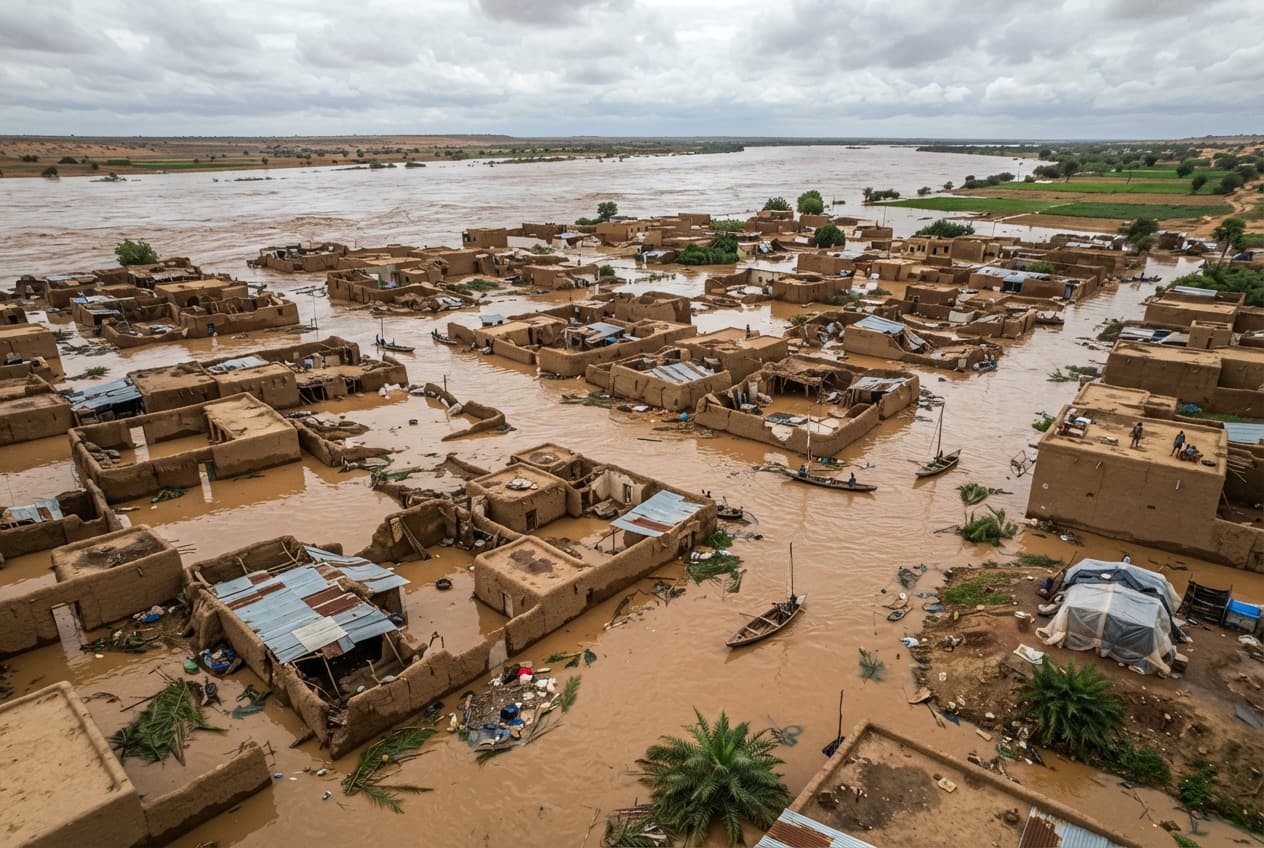
Ed Damazine, Sudan—Relentless seasonal riverine floods surged across Blue Nile State on Friday, submerging residential neighborhoods and forcing mass evacuations along swollen riverbanks. Unprecedented upstream precipitation pushed regional water levels past critical flood thresholds, breaching fragile earthen dykes protecting low-lying municipal sectors. State humanitarian officials confirmed that seven people drowned when fast-moving river water overwhelmed residential compounds before families could escape to higher ground. Local volunteers utilized small wooden fishing skiffs to navigate submerged streets, rescuing stranded residents clinging to tree branches and rooftops. Public health infrastructure buckled under the pressure as primary health clinics took on water and lost power supplies.
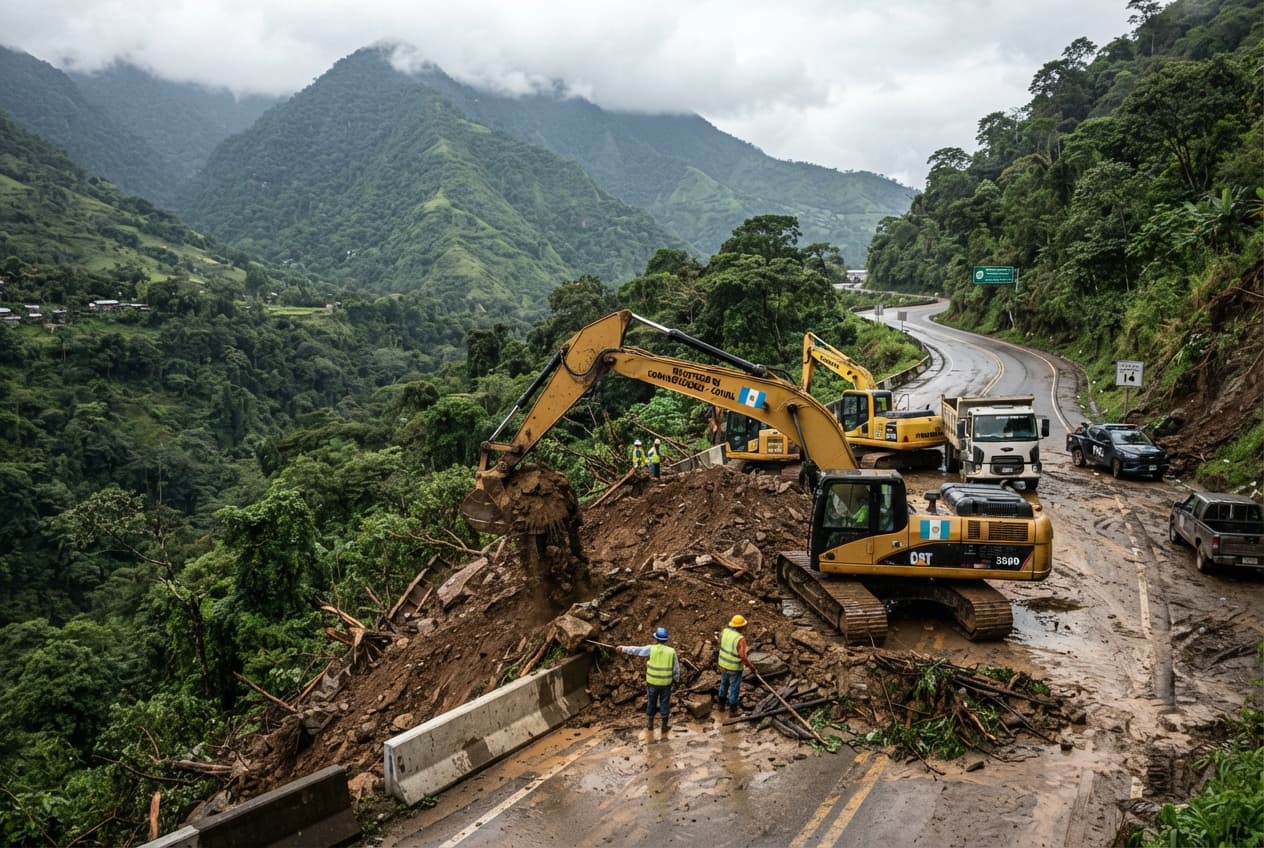
Disaster response committees established temporary reception centers inside elevated school buildings to house thousands of families displaced from their homes. Main transport corridors connecting regional trade hubs suffered severe structural washouts, halting the delivery of essential food items. Agricultural cooperatives reported the total destruction of extensive river valley crop tracts as muddy water stagnated across arable acreage. Humanitarian aid workers struggled to access remote rural pockets where rising currents cut off land transport entirely. Medical personnel set up open-air mobile clinics to treat escalating cases of acute diarrhea, malaria, and skin infections among evacuees.
Local administrative councils appealed urgently to national relief agencies for heavy water-pumping equipment and core pipeline supplies. Families huddled under plastic sheeting along elevated highway embankments, rationing clean drinking water and dry food rations. Youth-led community groups worked tirelessly to stack sandbags around threatened public facilities and remaining dry residential blocks. Regional hydrological monitors predicted that river levels would remain dangerously high for days due to continuous heavy precipitation upstream. Security forces maintained perimeter watch operations to secure abandoned homes and prevent property looting across evacuated sectors.
Relief distributions commenced late into the evening, providing high-energy biscuits, purification tablets, and mosquito nets to vulnerable households. Damage assessment teams initiated preliminary housing surveys to document structural losses across the state capital and surrounding rural localities. International organizations mobilized emergency funds to procure additional non-food items for families sheltering in open-air camps. Regional authorities convened emergency planning sessions to address long-term shelter recovery and disease prevention strategies. Emergency monitoring stations kept constant watch on river gauge telemetry as seasonal weather patterns remained volatile.
Published by Banx Network. This article is part of the Banx decentralized media programme, powered by the BXE token on the XRP Ledger.