The tensions in the Middle East have reached a critical juncture, with the United States resuming a naval blockade and continuing military strikes against targets in Iran. This escalation marks a significant shift in regional dynamics, raising concerns about the potential for a broader conflict. The situation remains fluid, with live updates reflecting the rapid pace of developments.
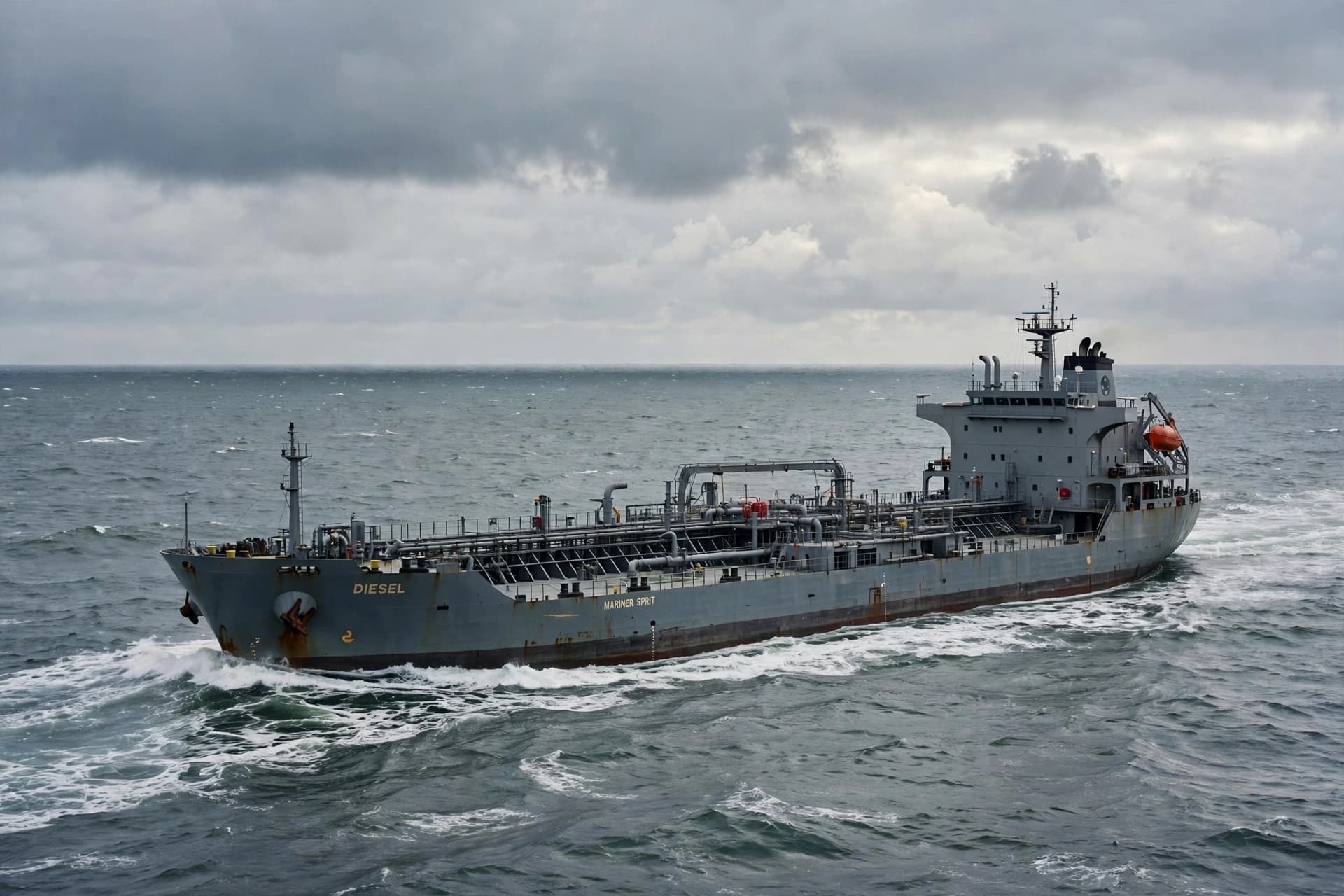
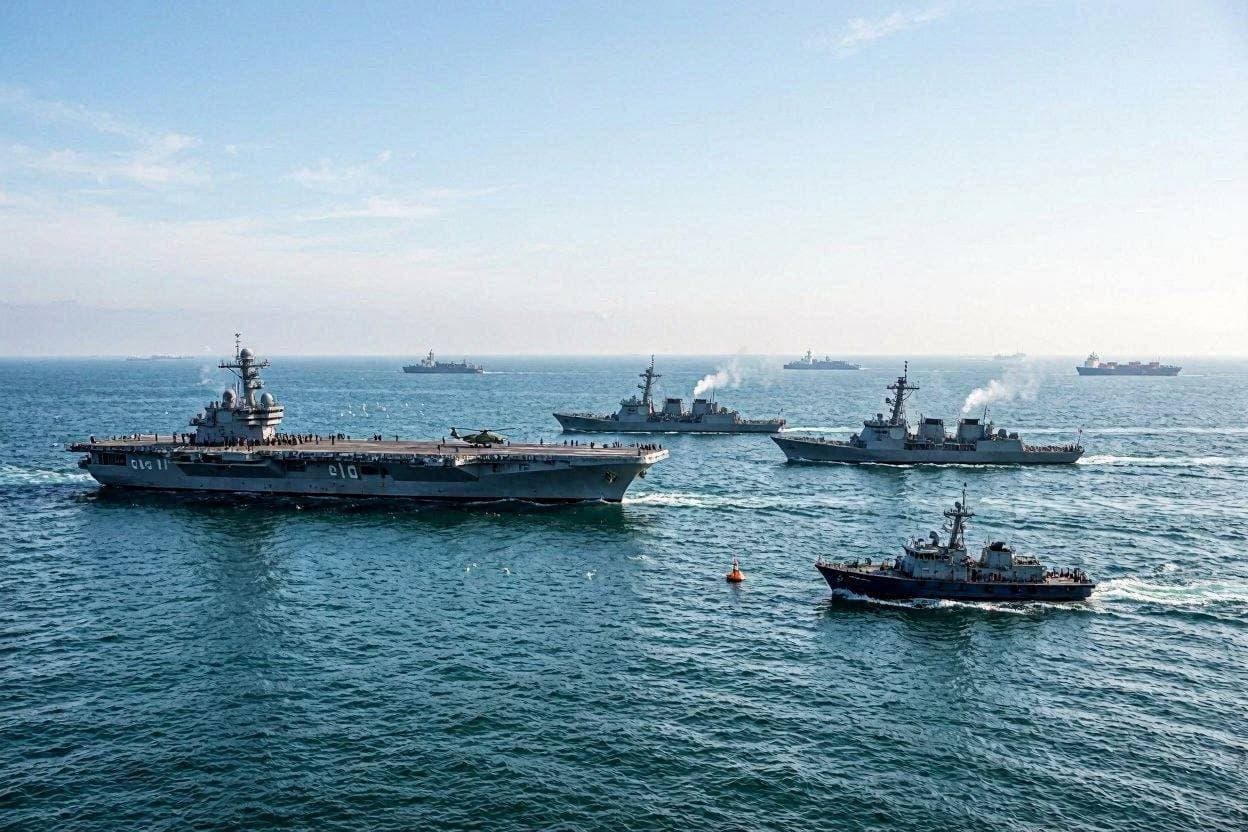
The naval blockade aims to restrict the movement of goods and military supplies, exerting economic and strategic pressure on Tehran. U.S. naval forces have positioned themselves in key waterways, monitoring traffic and intercepting vessels suspected of carrying prohibited items. This move is part of a broader strategy to curb Iran’s influence and nuclear capabilities, though it risks provoking further retaliation.
Simultaneously, air and missile strikes have targeted specific military and infrastructure sites within Iran. The Pentagon has stated that these operations are designed to degrade Iran’s ability to threaten regional stability and protect U.S. interests. Precision weaponry is being used to minimize collateral damage, but the risk of civilian casualties remains a serious concern.
Iran has responded with strong rhetoric, vowing to defend its sovereignty and retaliate against what it perceives as aggression. Iranian military officials have warned that any further escalation will be met with force, potentially targeting U.S. allies in the region. This back-and-forth threatens to draw other nations into the conflict, complicating diplomatic efforts.
International reactions have been mixed, with some allies supporting the U.S. actions while others call for restraint and dialogue. The United Nations has urged both sides to de-escalate, emphasizing the humanitarian cost of prolonged conflict. Diplomatic channels remain open, but trust is eroding rapidly amidst the ongoing hostilities.
The economic impact is already being felt, with oil prices fluctuating and supply chains facing disruption. Global markets are watching closely, aware that a wider war could have severe consequences for energy security and trade. Investors are adjusting their portfolios to account for the increased uncertainty in the region.
For the people of Iran and the surrounding countries, the threat of war brings fear and uncertainty. Civilian populations bear the brunt of such conflicts, facing displacement, injury, and loss. Humanitarian organizations are preparing for potential crises, urging all parties to prioritize the protection of non-combatants.
Closing: As the situation evolves, the world watches with apprehension. The resumption of the blockade and continued strikes represent a dangerous escalation, requiring careful management to prevent a full-scale regional war.
AI Image Disclaimer: Please note that the images included in this article are AI-generated visualizations created to complement the narrative and are not actual photographs of military operations.
Sources: Reuters Al Jazeera BBC News The New York Times
Published by Banx Network. This article is part of the Banx decentralized media programme, powered by the BXE token on the XRP Ledger.