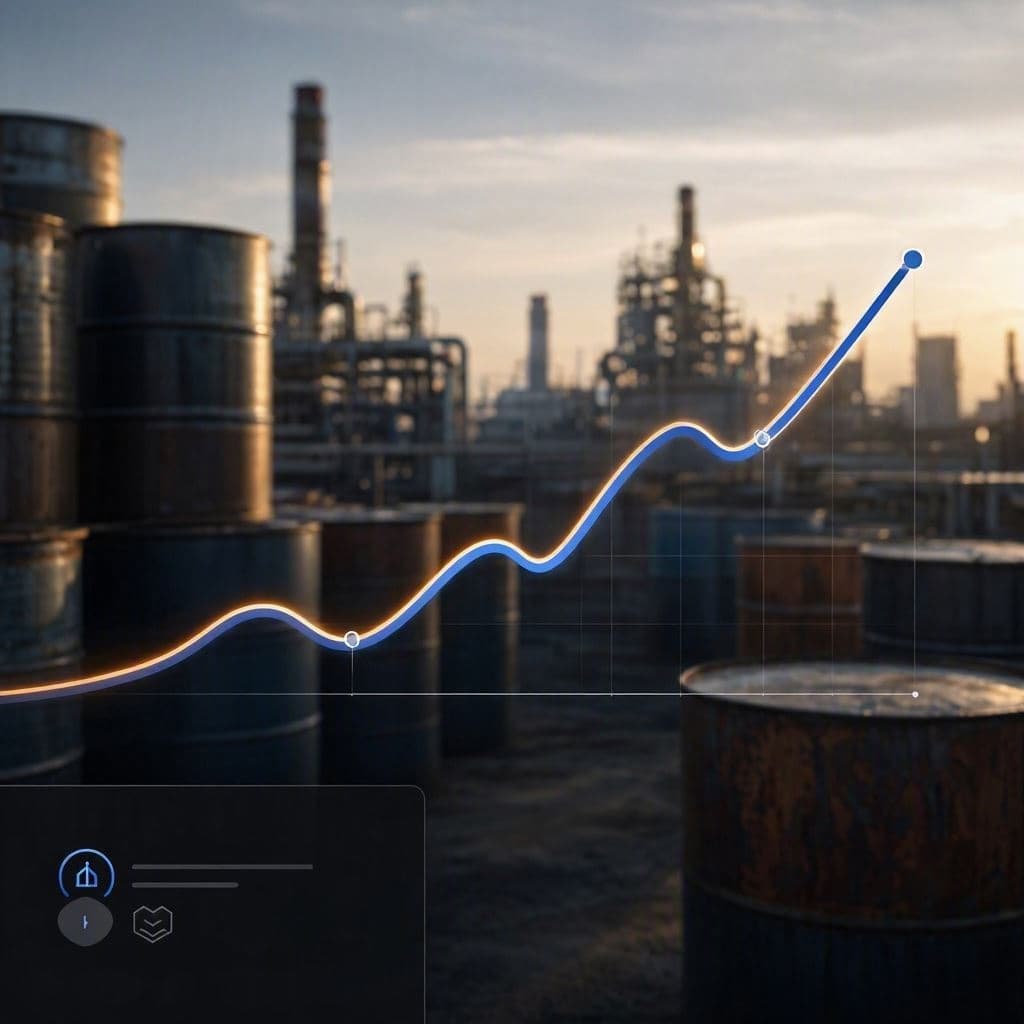
The global economy often moves to the rhythm of energy markets, a pulse that quickens with every whisper of geopolitical tension. In recent days, that pulse has accelerated, driven by a complex interplay of diplomatic friction and physical disruptions in key oil-producing regions. As oil prices climbed to their highest level in six weeks, the world was reminded once again of how fragile the balance of supply can be. The convergence of heightened tensions between the United States and Iran, coupled with reports of incidents at Saudi Arabian facilities, has created a climate of uncertainty that ripples through financial markets and consumer consciousness alike.
The immediate catalyst for this price surge appears to be a combination of strategic posturing and tangible threats to infrastructure. Reports indicating that facilities operated by Saudi Aramco, the state-owned oil giant, were targeted have sent shockwaves through the industry. Even if the damage is contained or minimal, the mere suggestion of vulnerability in such a critical hub of global production triggers a defensive reaction from traders. It is a reminder that the physical assets underpinning our modern lifestyle are not immune to the broader currents of international conflict.
Simultaneously, the rhetorical and economic exchanges between Washington and Tehran have added a layer of volatility. Sanctions, counter-sanctions, and diplomatic warnings create an atmosphere where market participants anticipate further disruptions. This "trade blow" is not merely about tariffs or goods; it is about influence, security, and the strategic control of energy resources. When two major powers engage in such maneuvers, the oil market serves as both a battleground and a barometer, reflecting the intensity of their standoff.
For consumers, these abstract geopolitical maneuvers translate into very real costs at the pump. The rise in crude oil prices inevitably filters down to gasoline, heating oil, and the cost of transporting goods. While a six-week high may seem like a temporary fluctuation, it contributes to the broader narrative of inflationary pressure that many households are already navigating. The sensitivity of the average citizen to fuel prices means that even small increases can have outsized effects on public sentiment and economic confidence.
Energy analysts are closely watching the situation to determine whether this spike is a transient reaction or the beginning of a more sustained trend. Much depends on the actual extent of any damage to Saudi infrastructure and the likelihood of further escalation in the Middle East. If supply chains remain intact and diplomatic channels open, prices may stabilize. However, if tensions deepen, the market could see more significant adjustments, forcing governments and businesses to adapt their strategies accordingly.
The role of OPEC and its allies, particularly Saudi Arabia, remains pivotal in this equation. Their ability to manage production levels and reassure global markets is crucial for maintaining stability. Any perceived weakness or disruption in their output capacity can lead to rapid price swings. Consequently, the kingdom’s response to these reported incidents will be watched closely by investors and policymakers who rely on steady energy flows to sustain economic growth.
Beyond the immediate financial implications, this episode highlights the ongoing transition challenges in the global energy sector. As the world moves toward renewable sources, reliance on fossil fuels persists, keeping economies tethered to the geopolitical realities of oil-producing nations. This dependency ensures that events in the Middle East will continue to have far-reaching consequences, underscoring the need for diversified energy strategies and robust international cooperation.
Ultimately, the rise in oil prices is a signal of deeper underlying tensions. It invites reflection on the interconnectedness of global security and economic well-being. As nations navigate these turbulent waters, the hope remains that dialogue and restraint will prevail, ensuring that energy markets serve as engines of prosperity rather than vectors of instability.
The recent climb in oil prices serves as a gentle but firm reminder of the fragility of global energy supplies. It underscores the importance of geopolitical stability and the need for resilient economic policies. As the situation evolves, careful observation and measured responses will be key to maintaining balance.
AI Image Disclaimer: Please note that any visual representations in this article are AI-generated illustrations created for conceptual clarity.
Sources: Bloomberg Reuters The Wall Street Journal
Published by Banx Network. This article is part of the Banx decentralized media programme, powered by the BXE token on the XRP Ledger.

.jpg&w=3840&q=75 "Japan Electronics Surge: Conglomerate Reports Massive Appliance Sales Boom Across Asian Markets This Quarter")