Key Highlights
- Investment:Rio Tinto invests $1.4 billion in lithium facilities.
- Production Capacity:New plants to add 25,000 metric tons annually.
- Strategic Goals:Targeting 160,000 metric tons of lithium production by 2028.
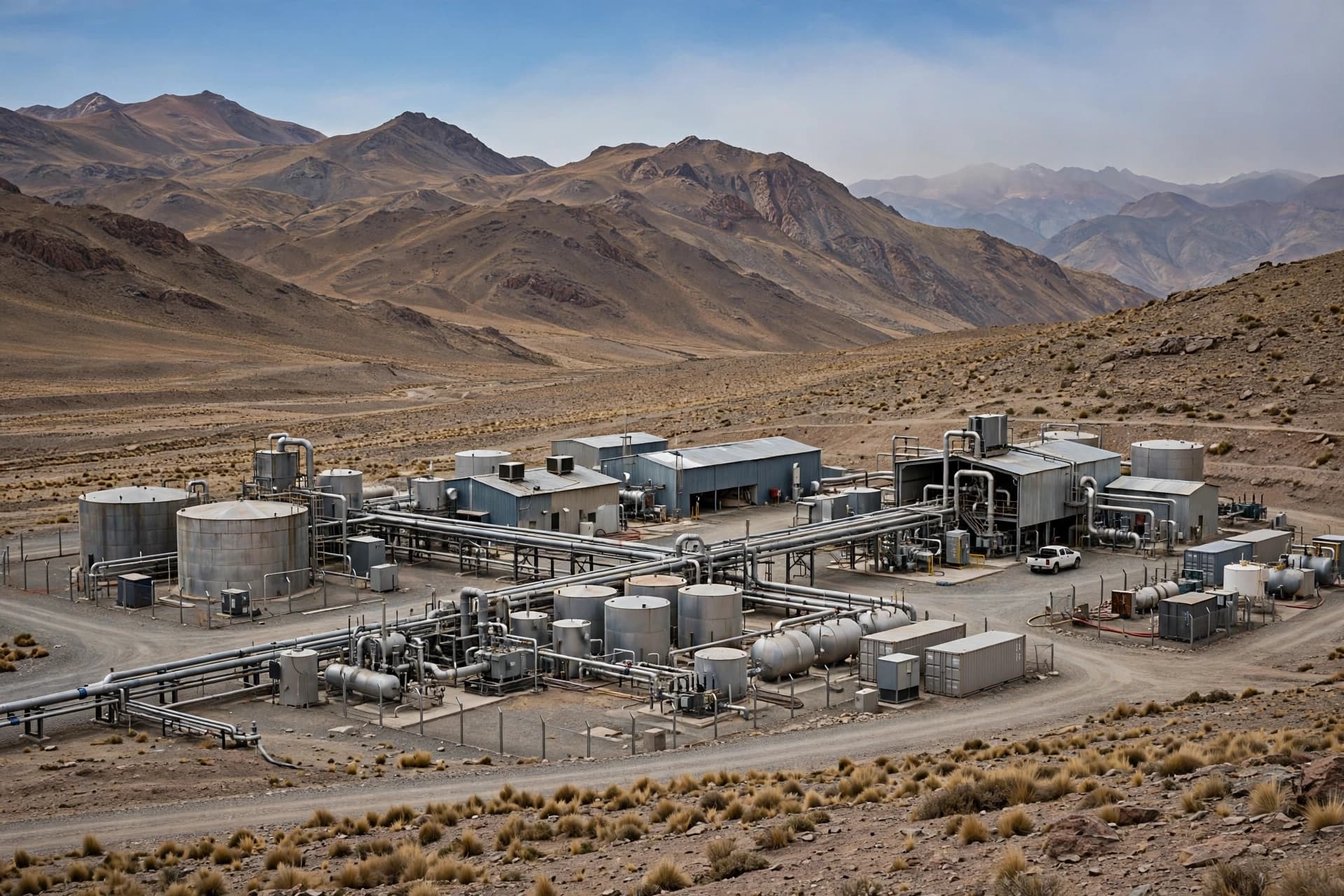
On October 28, 2026, Rio Tinto inaugurated two significant lithium facilities in Catamarca province, Argentina, marking a pivotal moment in the company's expansion within the lithium market. The Sal de Vida plant and the Fenix 1B expansion project represent a combined investment of approximately $1.4 billion and are expected to enhance the region's annual lithium carbonate equivalent production capacity by 25,000 metric tons. This development is part of Rio Tinto's broader strategy to establish a robust lithium business in Argentina, which is increasingly recognized as a key player in the global energy transition.
The new facilities are complemented by Rio Tinto's ongoing Rincon project in the neighboring Salta province, which is projected to produce an additional 60,000 metric tons of lithium carbonate equivalent annually. Together, these initiatives are designed to solidify Argentina's role in Rio Tinto's global production plans, with the company aiming to achieve a total of 160,000 metric tons of lithium production in Argentina and 200,000 metric tons worldwide by 2028. However, these targets are contingent upon various factors, including project development timelines, operational performance, and market conditions.
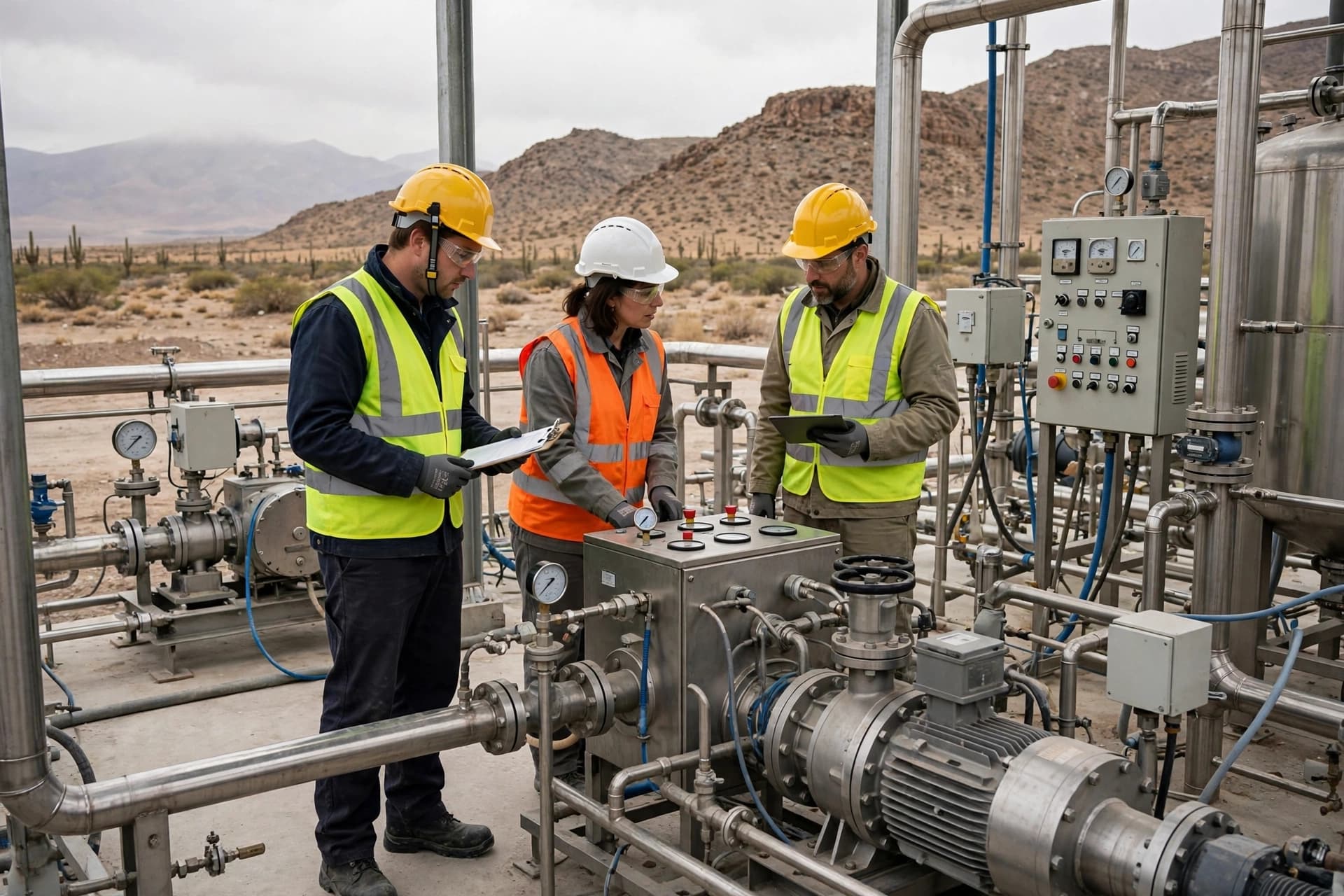
A cornerstone of Rio Tinto's lithium strategy is the implementation of direct lithium extraction (DLE) technology. This innovative process aims to efficiently separate lithium from mineral-rich brines, potentially reducing production time and minimizing environmental impacts compared to traditional methods that rely on extensive evaporation ponds. While proponents of DLE highlight its advantages, the technology's effectiveness can vary significantly based on the specific geological and operational conditions of each site.
Argentina is a crucial part of South America's Lithium Triangle, which also includes Bolivia and Chile. This region is home to a substantial portion of the world's identified lithium resources, making it a focal point for companies seeking to secure materials for batteries used in electric vehicles and energy storage solutions. Each country within the triangle adopts different approaches to resource development, influenced by their respective legal frameworks, public institutions, and investment climates.
To attract large-scale mining projects, Argentina has implemented economic reforms and an incentive framework that offers long-term tax, legal, and foreign-exchange benefits for eligible investments. The government views mining as a vital source of exports, employment, and foreign investment. However, the impact on local communities near mining sites is complex and depends on how effectively projects manage water resources, land use, and environmental monitoring.
As the demand for lithium continues to rise, driven by the increasing adoption of electric vehicles and advancements in battery technology, the expansion of lithium production in Argentina presents both opportunities and challenges. While Rio Tinto's new facilities signify a commitment to meeting this demand, the long-term success of these projects will hinge on their production performance, environmental stewardship, and the economic viability of direct extraction methods at scale. The developments in Catamarca province underscore Argentina's growing significance in the global lithium supply chain, with potential implications for the future of transportation and energy storage.
Published by Banx Network. This article is part of the Banx decentralized media programme, powered by the BXE token on the XRP Ledger.