Key Highlights
- Growing Interest:Tech companies are exploring Patagonia for data center projects.
- Renewable Energy:The region's access to renewable energy sources is a key attraction.
- Community Impact:Local communities are assessing the potential benefits and challenges of these developments.
In a report published on September 7, 2026, Reuters highlighted the increasing interest from tech companies in establishing large data centers in Argentina's Patagonia region. This interest is fueled by the area's relatively cool climate, abundant renewable energy resources, and vast tracts of available land. However, while many proposals are in various stages of development, the mere interest from companies does not guarantee that construction will commence or that final investment decisions have been made.
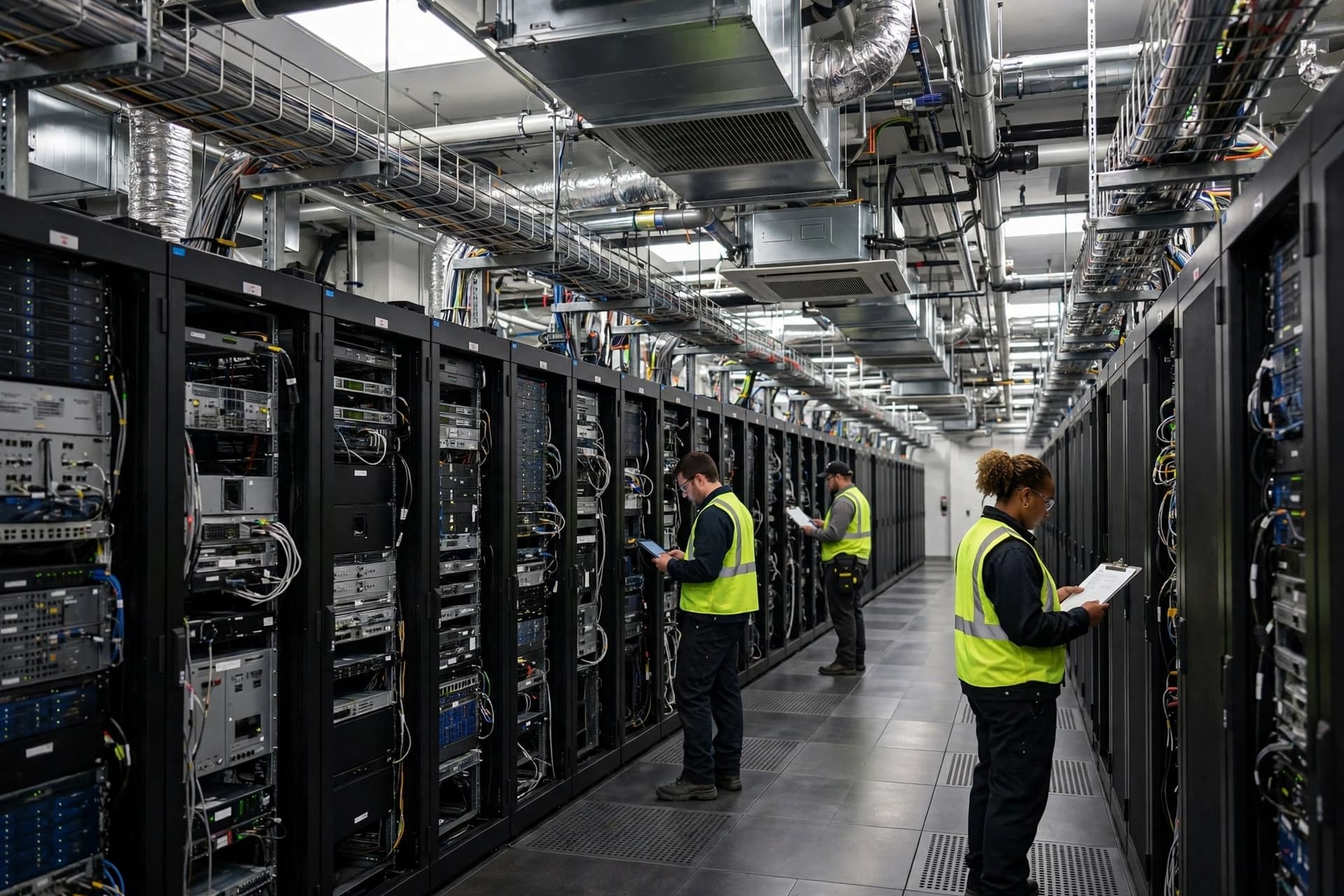
Data centers serve as the backbone of digital services, housing servers and networking equipment that facilitate cloud computing, online platforms, and artificial intelligence applications. As the demand for computing power continues to surge, technology firms are in need of facilities equipped with reliable electricity, efficient cooling systems, high-capacity internet connections, and stable operational conditions.
One notable potential site is Neuquén province, where electricity generator Pampa Energía is exploring the feasibility of a data center adjacent to its Loma de la Lata thermal power plant. According to Reuters, this proposed facility could eventually draw up to 500 megawatts of power. The company is currently engaging with interested parties, but the project's scale necessitates significant investment in electrical infrastructure to meet such energy demands.
Other proposals in the region reflect a diverse range of ambitions. In Chubut province, Poland's Green Capital is planning a data center project that could start with a capacity of 300 megawatts, with the potential for expansion. The company is also pursuing land for wind and solar energy initiatives. Meanwhile, in Buenos Aires province, a project in Bahía Blanca is being developed with an initial power allocation of 30 megawatts. These varying projects underscore that the emerging market is not a unified construction effort but rather a collection of independent initiatives.
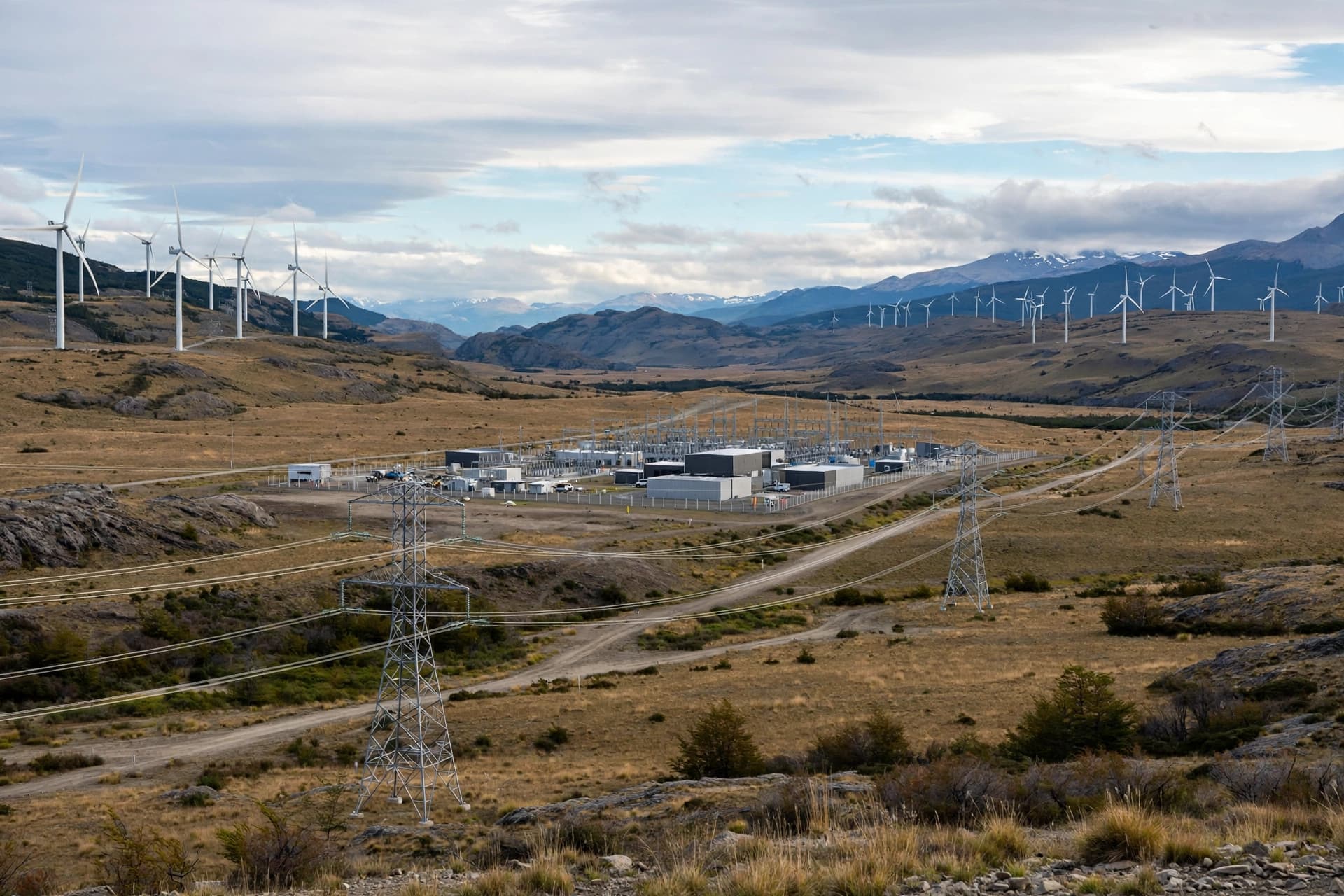
The climate in Patagonia presents a significant advantage for data centers. These facilities generate heat, and cooling systems can consume a large portion of the electricity required for operations. Cooler outdoor temperatures may help mitigate cooling demands, depending on the design of the buildings and local environmental conditions. Access to energy remains a critical factor, as developers must differentiate between nearby generation capacity and the reliable delivery of power to their sites.
Connectivity poses another challenge for potential data center developments. Large facilities require fast and resilient connections to other data centers, businesses, and end-users. Reuters reported that Argentina is considering enhancing its fiber-optic infrastructure to make Patagonia more appealing to digital infrastructure developers. Without adequate network connections, the availability of land and energy may not suffice to establish a major computing hub.
The energy potential of the region also raises environmental and community concerns. While natural gas can provide a reliable power source, wind and solar projects may offer lower-carbon electricity when supported by appropriate infrastructure. The overall environmental impact of these developments will depend on the energy mix, water usage, construction footprint, and how facilities integrate with local power grids. Additionally, the presence of Indigenous Mapuche families in parts of the region raises important questions about land development, consultation, access, and the equitable distribution of benefits.
While large data centers can create construction jobs, stimulate local supply services, and generate tax revenue, their long-term employment needs may not match those of traditional industrial facilities. Furthermore, their substantial electricity demands necessitate careful consideration by communities and local authorities regarding power availability, public infrastructure, environmental protections, and the tangible economic benefits these projects could provide.
Argentina's appeal to technology investors also reflects broader efforts to create a more favorable environment for large-scale capital investments. Reuters noted that some developers are still awaiting clearer investment commitments and are weighing the political and regulatory uncertainties. An announcement of a project can indicate interest, but successful financing, permits, energy contracts, network access, and construction plans must align before a data center can become operational.
Patagonia's emerging role in the data center landscape illustrates how the geography of digital infrastructure is evolving, with significant implications for local communities and the broader economy.
Published by Banx Network. This article is part of the Banx decentralized media programme, powered by the BXE token on the XRP Ledger.