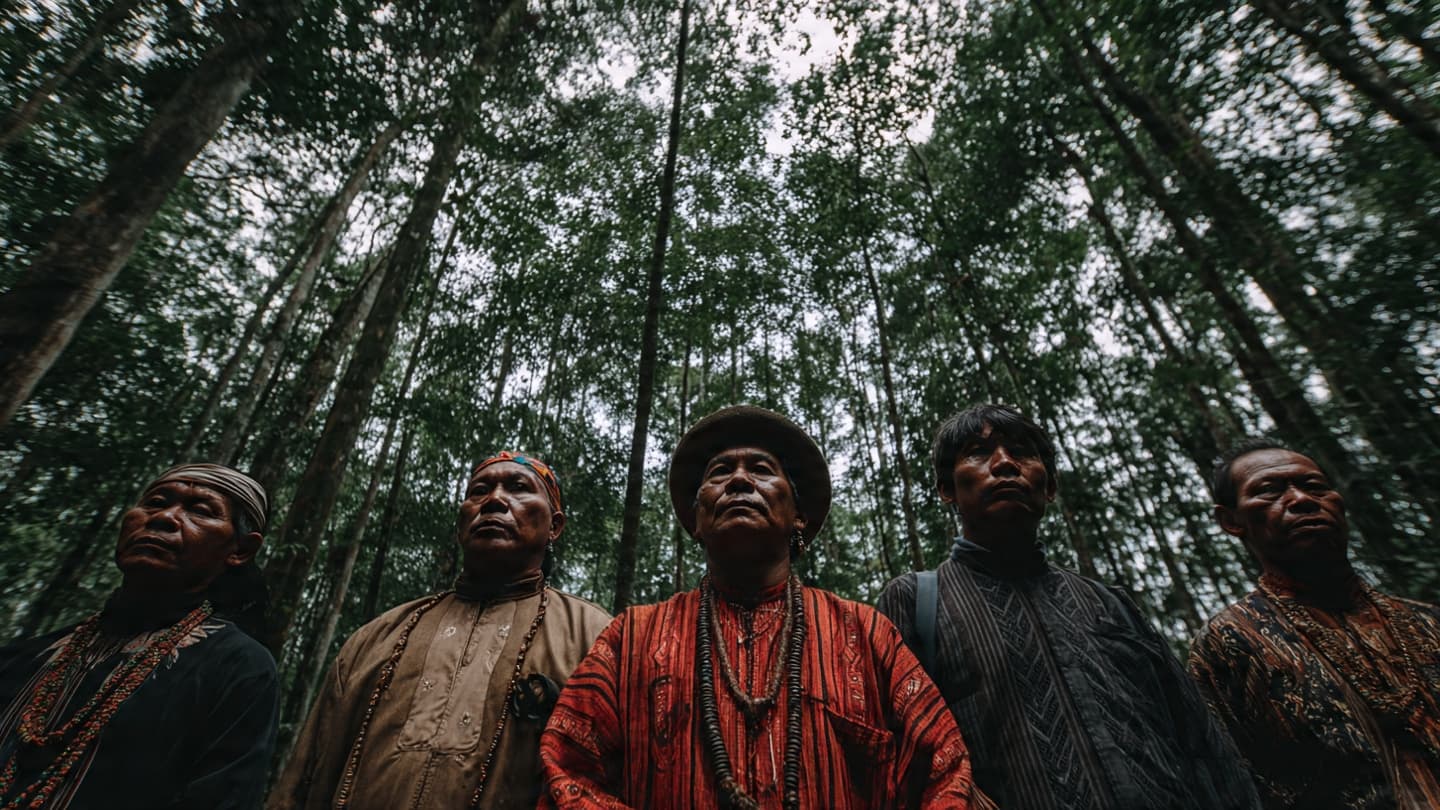
The land holds stories, memories, and rights that stretch back thousands of years. In British Columbia, First Nations chiefs are once again raising their voices to protect these ancestral ties, calling on political leaders Mark Carney and Danielle Smith to halt the advancement of a controversial pipeline project. This appeal is not merely a political stance but a defense of cultural integrity and environmental stewardship. It highlights the ongoing tension between economic development and Indigenous sovereignty. The request invites a deeper conversation about consent, reconciliation, and the future of resource management in Canada.
The pipeline in question has been a subject of debate for years, with proponents arguing it brings economic benefits and energy security. However, many Indigenous communities contend that it threatens their traditional territories, water sources, and way of life. The chiefs argue that proper consultation and consent have not been obtained, violating legal and moral obligations. Their call to action is rooted in the principle that development should not come at the expense of Indigenous rights. It is a demand for respect and partnership.
Mark Carney, a prominent figure in finance and politics, and Danielle Smith, the Premier of Alberta, represent different aspects of the decision-making process. Carney’s involvement suggests a focus on economic and financial implications, while Smith’s role highlights regional political dynamics. The chiefs’ direct appeal to both leaders underscores the multifaceted nature of the issue. It requires balancing economic interests with social and environmental responsibilities. The outcome will depend on how well these leaders listen and respond.
Environmental concerns are also central to the opposition. Pipelines carry risks of spills and leaks, which can have devastating effects on ecosystems. For communities that rely on fishing, hunting, and gathering, such risks are unacceptable. The chiefs emphasize the need for sustainable alternatives that align with climate goals and Indigenous values. They advocate for a transition to renewable energy sources that respect the land and its people. This vision offers a path forward that is both economically viable and ethically sound.
The legal landscape surrounding Indigenous rights is evolving, with courts increasingly recognizing the duty to consult and accommodate. Recent rulings have strengthened the position of First Nations in resource disputes. This momentum empowers chiefs to challenge projects more effectively. It also places pressure on governments and corporations to engage in meaningful dialogue. The rule of law serves as a tool for justice, ensuring that voices are heard and rights are protected.
Public opinion is divided, with some supporting the pipeline for jobs and others siding with Indigenous leaders. This division reflects broader societal questions about progress and values. Engaging in open and honest discussions can help bridge these gaps. Education and awareness are key to fostering understanding and empathy. By listening to diverse perspectives, society can find solutions that benefit all.
First Nations chiefs in British Columbia have urged Mark Carney and Danielle Smith to stop the pipeline project, citing concerns over Indigenous rights and environmental protection. As the debate continues, the focus remains on reconciliation and sustainable development. The hope is for a resolution that respects all stakeholders.
AI Image Disclaimer: The images provided are AI-generated to visually represent the political and environmental aspects of the story.
Sources: CBC News The Globe and Mail APTN
Published by Banx Network. This article is part of the Banx decentralized media programme, powered by the BXE token on the XRP Ledger.

.jpg&w=3840&q=75 "Same-Sex Couple Sue Slovakia Over Refusal to Register Their Marriage")