In a world increasingly attentive to sustainability and practical spending, a familiar German name is leaning into a quietly transformative idea: giving appliances a second life. Miele, the long-established German manufacturer famed for high-end domestic appliances, is expanding its sales of refurbished washing machines and related components — a step that reflects broader shifts in how consumers and producers think about consumption, waste and value.
The company’s pilot project in the Netherlands began three years ago, where returned Miele washing machines — from units with light cosmetic flaws to those needing repair — were professionally refurbished and resold online. This effort has exceeded early expectations: rather than undermining sales of new appliances, the refurbished programme has opened doors to new customer groups, especially younger, cost-conscious and digitally oriented buyers who might otherwise choose competitors.
At the heart of this strategy is both practicality and environmental awareness. In a statement, Max Wagner, head of Miele’s sustainability team, noted that while purchasing motivation still often tilts toward price and quality rather than environmental concern, offering refurbished options has broadened the company’s appeal without dampening demand for new models.
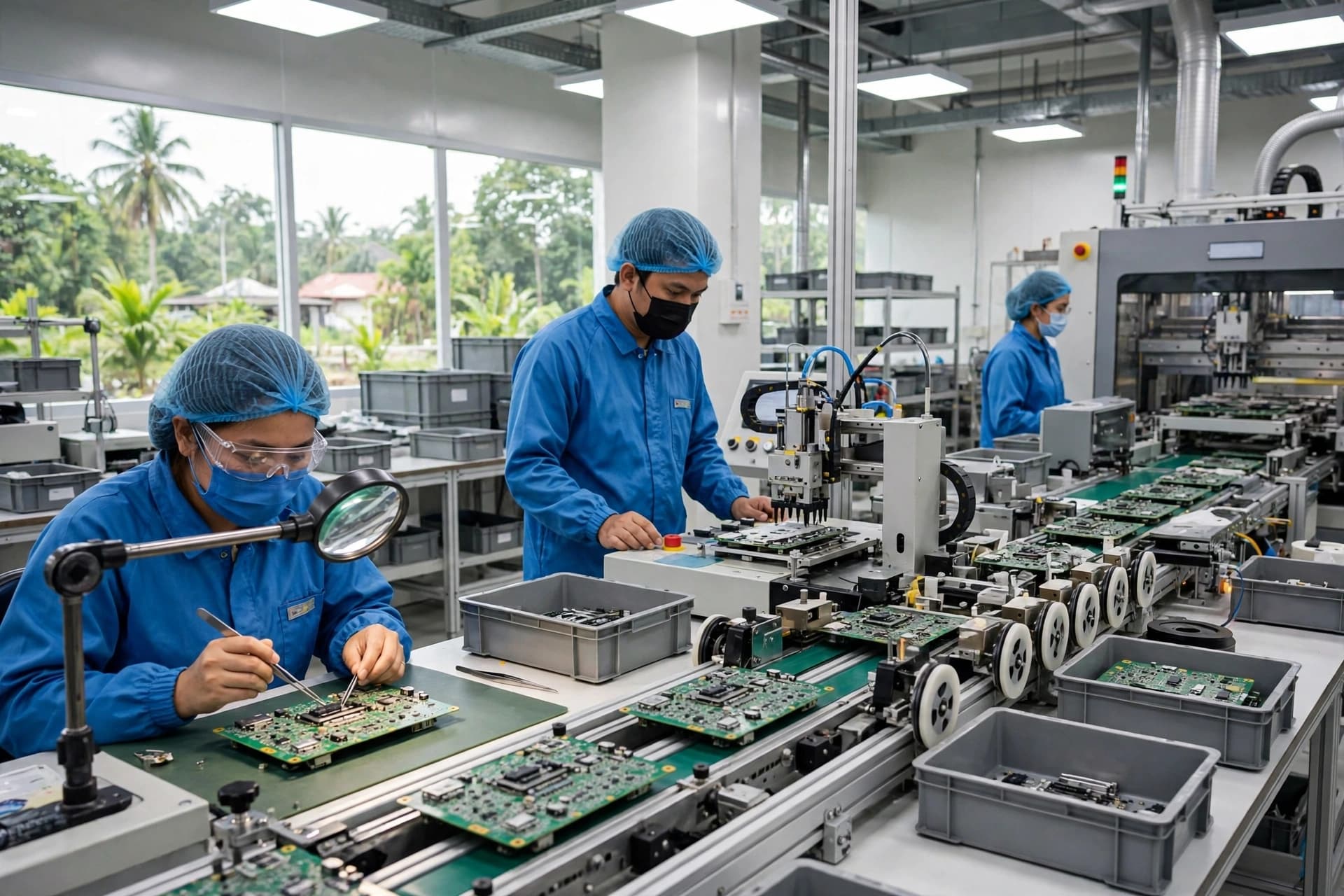
Another innovative facet of the programme is how components are reused. When appliances like washing machines, dishwashers or coffee machines come in for repair, customers can opt for a refurbished circuit board instead of a new one. These refurbished parts — tested and certified before reuse — typically cost less and extend the life of older machines, keeping functional products out of landfill longer. Last year, Miele refurbished around 12,000 electronic components through the project, which currently operates in five European countries, including Germany itself.
The broader marketplace reflects a growing refurbished ecosystem beyond Miele’s initiative. German platforms such as rebuy, which sells refurbished consumer electronics and household items, have reported strong revenues in recent years — with rebuy recording more than €200 million in turnover in 2023 — underscoring that second-life products remain appealing even in a shifting e-commerce landscape.
Still, the refurbished segment remains a niche compared with the broader used-goods market, and many consumers still prefer brand-new products with pristine condition and latest features. But as sustainable consumption gains traction and cost-of-living pressures linger across Europe, refurbished appliances are increasingly seen not as second best but as a smart choice that combines quality, affordability and reduced environmental impact.
By investing in refurbishment programmes and enabling customers to choose between new and renewed components or machines, the company’s evolving business model points toward a circular future — one where products are used, fixed and reused as long as possible, reducing waste and conserving resources in the process. In a region attentive to both climate goals and household budgets, that shift resonates with a growing wave of consumers who are rethinking what value really means.
AI Image Disclaimer Visuals are AI-generated illustrations, intended for representation, not real photographs.
Sources Deutsche Welle Yahoo News UK rebuy revenue report (eCommerce News Europe)
Published by Banx Network. This article is part of the Banx decentralized media programme, powered by the BXE token on the XRP Ledger.