In the stillness of a neonatal ward, where soft monitors beep and tiny breaths flutter, there lies a profound urgency: newborn babies, fragile and exposed, are losing their fight against sepsis. In many parts of the world, the very medicines that once saved lives are failing — not because they were weak, but because the microbes have grown stronger. It is here, in this delicate battleground, that scientists are turning to old friends: antibiotics from decades past.
The root of the crisis is antibiotic resistance. The Guardian reports that up to 214,000 neonatal deaths are now linked to drug-resistant infections each year. The standard antibiotics used in many places — those recommended by the World Health Organization — are increasingly ineffective. In response, the NeoSep1 clinical trial, coordinated by the Global Antibiotic Research & Development Partnership (GARDP), is testing combinations of older antibiotics, repurposing them for a modern fight.
This isn’t about inventing entirely new drugs — which can be slow, complex, and very expensive — but about rethinking what we already have. The trial focuses on fosfomycin, flomoxef, and amikacin, exploring them in different pairings (fosfomycin-amikacin, flomoxef-amikacin, and flomoxef-fosfomycin) to see which combos are both safe and effective for newborns. Part of the study’s effort is pharmacokinetic: measuring how these drugs behave in a baby’s body, how they’re processed, and what doses truly work.
What makes NeoSep1 especially innovative is its trial design. Using a “Personalised Randomised Controlled Trial (PRACTical)” approach, researchers compare multiple antibiotic regimens simultaneously. This reflects the real-world situation: in many low- and middle-income countries, clinicians are already using a bewildering variety of antibiotic regimens — more than 200 different combinations, according to GARDP’s earlier research.
Among the older antibiotics being repurposed, fosfomycin and flomoxef are particularly notable. Developed decades ago (fosfomycin in the 1970s; flomoxef in the 1980s), these drugs are off-patent and thus more affordable. Fosfomycin, for example, has seen use in Europe for urinary tract infections, and more recently in combination therapies for difficult infections. Meanwhile, flomoxef has been used in parts of East Asia.
There is scientific precedent for this strategy. A recent review explores reintroducing legacy antibiotics, like fosfomycin and even colistin, for neonatal sepsis, noting their activity against multi-drug resistant pathogens and their relatively acceptable safety profile. Still, it is critical to test how these drugs work in the very small and vulnerable bodies of newborns — their pharmacology can differ greatly from that in older children or adults.
The NeoSep1 trial is ambitious: across eight countries — including Kenya, Ghana, India, Pakistan, Vietnam, Malaysia, Bangladesh, and South Africa — researchers plan to enrol about 3,000 newborns by 2029. With such scale, they hope not only to find effective regimens, but also to provide data deep enough to guide World Health Organization guidelines and national protocols.
A vital part of this endeavour is minimizing unnecessary antibiotic exposure. Overuse of antibiotics is one of the main drivers of resistance, and by tailoring treatment more precisely — choosing the right combo, the correct dose, and limiting exposure — the NeoSep1 team aims to nip future resistance in the bud.
But this work is not only scientific; it is deeply humane. In Kilifi, Kenya, one research coordinator described the power of seeing a baby respond, stabilize, and reach a point where she could breastfeed again. Those moments, quiet yet profound, give meaning to every vial measured, every blood sample tested.
If successful, the implications are huge. Low-cost, repurposed antibiotics could become a lifeline for newborns in settings where resistance has made standard treatments fail. It could mark a turning point: not in discovering brand-new drugs, but in wisely reusing those we already have.
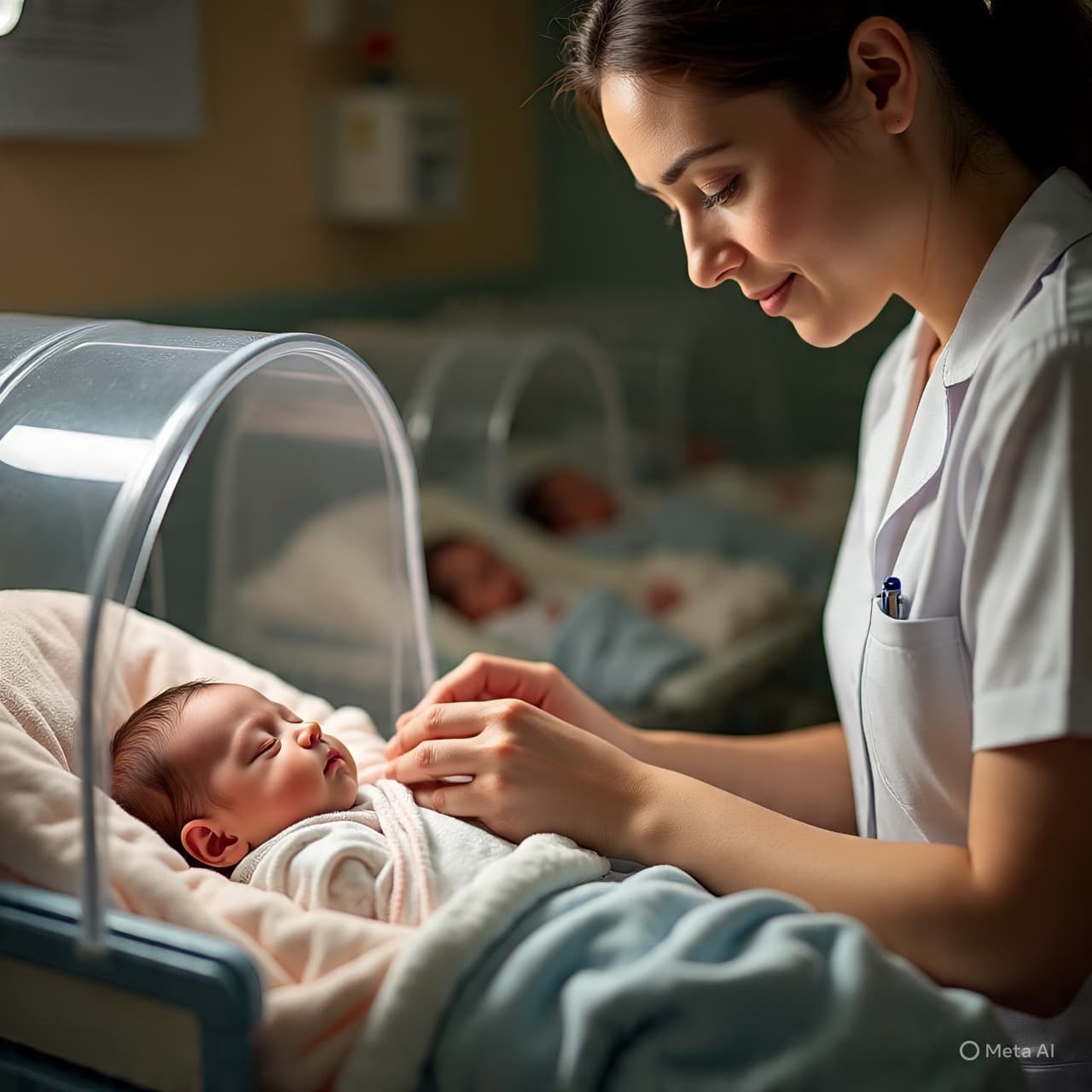
AI Image Disclaimer “Visuals are created with AI tools and are not real photographs.”
Source Check The Guardian GARDP / UCL / MRC CTU trial announcement SNIP-Africa announcement Review on re-using older antibiotics in neonatal sepsis (fosfomycin, colistin) GARDP financial support from RIGHT Foundation
Published by Banx Network. This article is part of the Banx decentralized media programme, powered by the BXE token on the XRP Ledger.