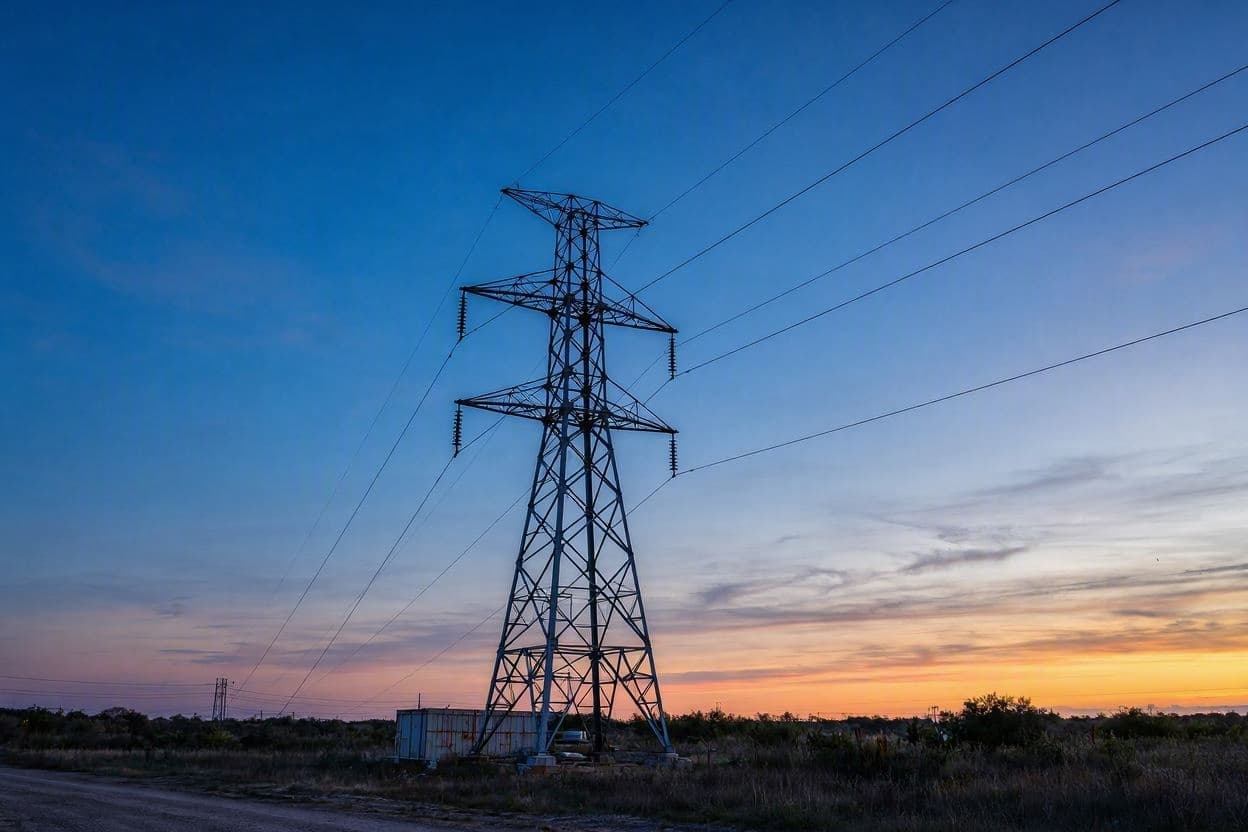
Infrastructure is the silent backbone of modern society, powering our homes, hospitals, and industries without fanfare. When this system is targeted, the resulting darkness is not just physical but psychological, shaking the foundation of public confidence. In Germany, authorities have arrested a suspect linked to a series of attacks on the power grid, marking a significant development in the investigation. This incident raises concerns about national security and the vulnerability of critical systems. It invites us to reflect on the importance of resilience and the collective effort required to protect the essentials of daily life.
The attacks involved deliberate damage to electrical infrastructure, causing disruptions in several regions. Such acts are rare in Germany, a country known for its stable and reliable energy supply. The arrest of a suspect provides a lead in understanding the motive and method behind these incidents. Investigators are working to determine if the acts were isolated or part of a coordinated effort to destabilize the grid. The findings will have implications for future security measures.
For the affected communities, the power outages were more than an inconvenience; they were a disruption of normalcy. Businesses halted operations, and households faced uncertainty. The reliance on electricity is so profound that even short interruptions can have cascading effects on communication, transportation, and healthcare. This vulnerability highlights the need for robust backup systems and rapid response protocols.
The suspect’s detention is a crucial step toward restoring public trust. It demonstrates the effectiveness of law enforcement in tracking down those who threaten public safety. However, it also raises questions about the motivations behind such sabotage. Whether political, ideological, or personal, the intent to harm critical infrastructure is a serious crime that warrants thorough investigation and accountability.
Energy providers are reviewing their security protocols in light of these events. Physical safeguards, such as fencing and surveillance, are being strengthened, along with cyber defenses. The integration of technology in grid management offers both opportunities and risks, requiring a multi-layered approach to security. Collaboration between private companies and government agencies is essential to address these challenges effectively.
Public reaction has been one of concern but also resilience. Germans are accustomed to high standards of reliability, so these incidents come as a shock. However, the community’s ability to adapt and support one another during outages reflects a strong social fabric. Neighbors check on each other, and local authorities provide timely updates, mitigating panic and confusion.
The incident also sparks a broader debate on energy independence and diversification. As countries transition to renewable sources, the complexity of the grid increases. Ensuring stability in this new landscape requires innovation and investment. Protecting these assets is not just a technical issue but a strategic priority for national security. It demands constant vigilance and adaptation.
As the legal proceedings begin, the focus remains on preventing future attacks. Lessons learned from this case will inform policy and practice across Europe. The goal is to create a grid that is not only efficient but also secure against malicious intent. This proactive stance is vital for maintaining the quality of life in modern societies.
The arrest of a sabotage suspect in Germany highlights the ongoing threat to critical infrastructure. It underscores the need for enhanced security and community resilience. Let us support efforts to protect our essential services.
AI Image Disclaimer: Please be aware that images used in this context are AI-generated visualizations for illustrative purposes.
Sources: Deutsche Welle Reuters The Local Germany
Published by Banx Network. This article is part of the Banx decentralized media programme, powered by the BXE token on the XRP Ledger.