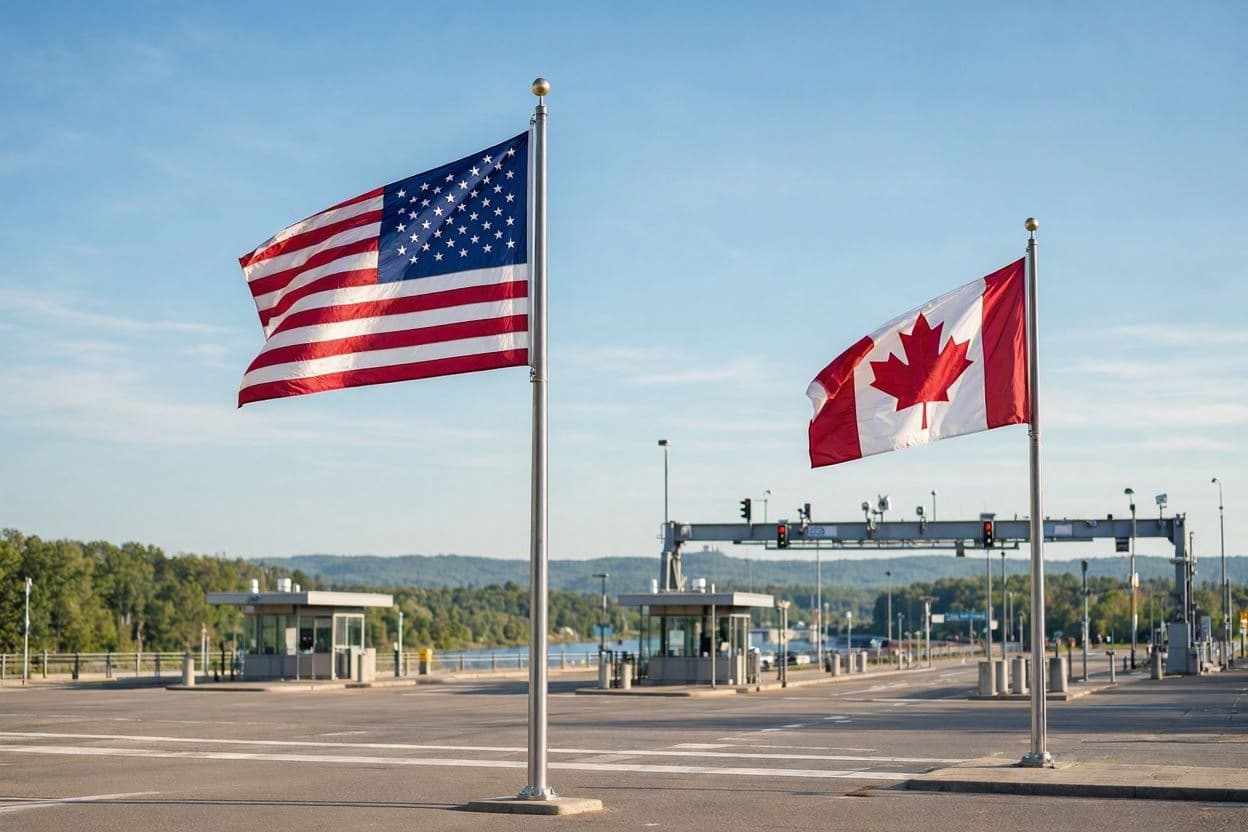
Borders are lines on a map, but for those who live near them, they are porous membranes through which life flows freely. In the communities straddling the United States and Canada, daily routines often involve crossing the boundary for work, shopping, or visiting family. These cross-border ties are woven into the fabric of local identity, creating a unique binational culture. However, recent political and economic shifts have sparked anxiety among residents who fear these connections may be severed or strained. This uncertainty invites us to reflect on the human dimension of international relations and the value of neighborly bonds that transcend national divisions.
The relationship between the U.S. and Canada is often described as special, characterized by shared values, extensive trade, and deep cultural exchanges. For border communities, this partnership is not abstract; it is tangible. Families have members on both sides, businesses rely on cross-border customers, and emergency services often cooperate seamlessly. The prospect of tighter restrictions or diplomatic friction threatens this way of life, causing unease among those who depend on open borders.
Recent discussions about trade policies, security measures, and immigration have heightened these fears. While national governments focus on broader strategic interests, local residents worry about the practical implications of policy changes. Increased wait times at crossings, stricter documentation requirements, or reduced cooperation could disrupt the rhythm of daily life. For many, the border is not a barrier but a bridge, and any obstacle placed upon it feels like a personal inconvenience.
The economic interdependence of these regions is significant. Small businesses in border towns often derive a substantial portion of their revenue from visitors across the line. Farmers, retailers, and service providers rely on the free flow of goods and people. A disruption in this flow could have cascading effects on local economies, leading to job losses and reduced vitality. The fear is not just of inconvenience, but of economic decline.
Culturally, the border region is a blend of American and Canadian influences. Festivals, sports leagues, and community events often include participants from both countries. This shared culture fosters a sense of unity and mutual respect. Residents often identify as much with their cross-border neighbors as with those in their own country’s interior. Threats to this cohesion are felt deeply, as they challenge a core aspect of local identity.
Political rhetoric on both sides of the border can exacerbate these anxieties. When leaders emphasize division or prioritize national sovereignty over regional cooperation, it sends a signal that the status quo may change. For border residents, who have long enjoyed the benefits of integration, this shift is unsettling. They advocate for policies that recognize the unique needs of border communities and preserve the openness that defines their lives.
Community leaders and organizations are working to maintain dialogue and cooperation despite national tensions. Cross-border councils and business associations continue to promote collaboration, hoping to insulate local relationships from broader political disputes. These grassroots efforts are vital in keeping the lines of communication open and demonstrating the value of binational partnership.
As the political landscape evolves, the resilience of these border ties will be tested. The hope is that pragmatic considerations and human connections will prevail over ideological divides. The story of the border is ultimately one of neighbors helping neighbors, a tradition that has endured through various challenges. It is a testament to the power of community.
Residents near the U.S.-Canada border express concern over potential disruptions to their cross-border ties. It highlights the importance of maintaining strong bilateral relationships. Let us support continued cooperation.
AI Image Disclaimer: The visuals accompanying this piece are AI-generated interpretations intended for illustrative purposes only.
Sources: BBC News The New York Times Global News
Published by Banx Network. This article is part of the Banx decentralized media programme, powered by the BXE token on the XRP Ledger.