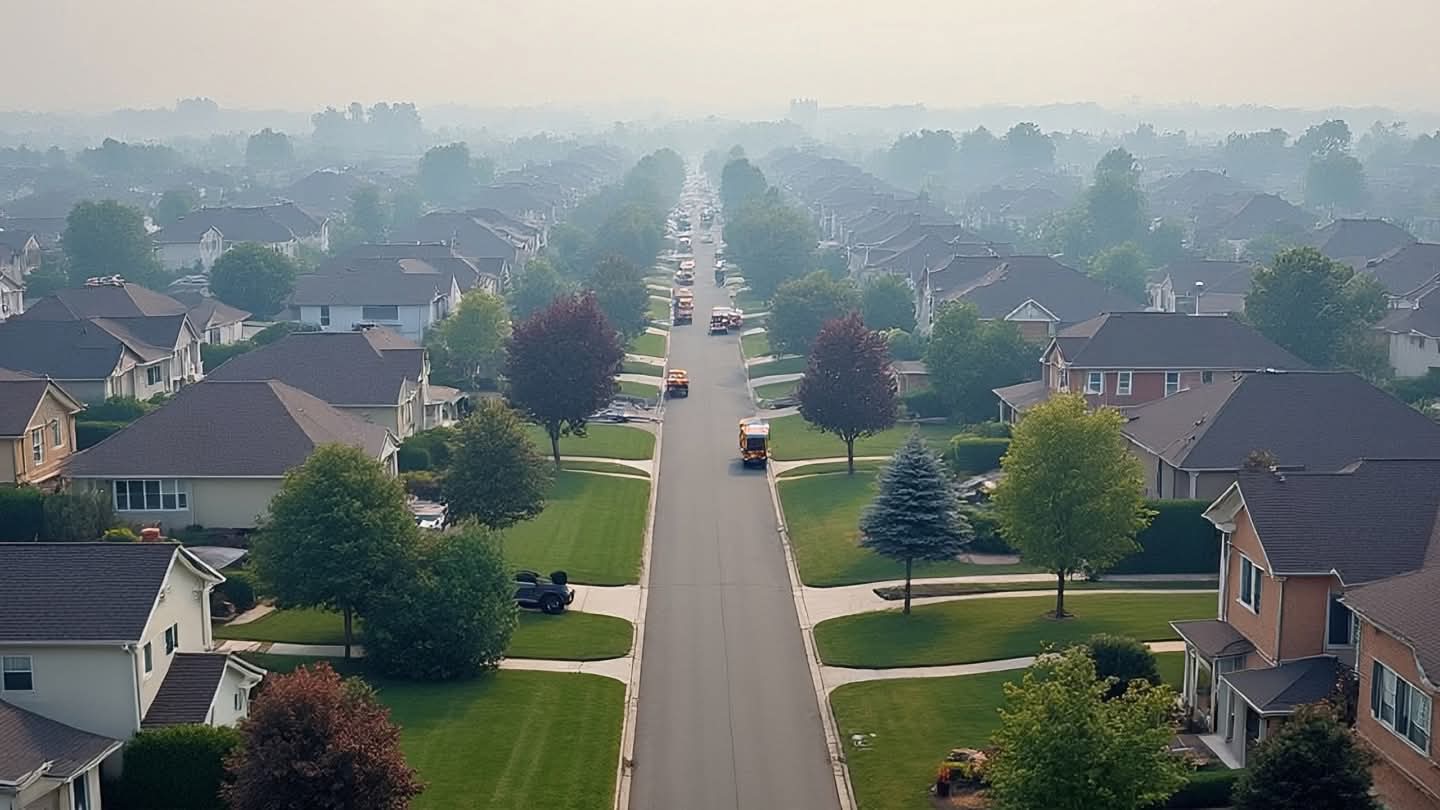
Home is often defined by its familiarity, the scent of the air, and the comfort of known walls. For residents of Spokane who were forced to flee due to wildfires, the desire to return is powerful, driven by the need to reclaim their lives and possessions. However, the journey back is not simply a matter of unlocking a door; it is a cautious step into an environment that remains altered by fire and smoke. As evacuees return, they face a new reality where safety requires vigilance and awareness of hidden hazards.
The wildfires that swept through the region left behind not just charred landscapes but also residual dangers in the form of hazardous materials. Officials have warned that while the immediate threat of flames has passed, the presence of ash, debris, and potentially toxic substances means that the area is still a "hazmat situation." This designation requires residents to take specific precautions when entering their properties.
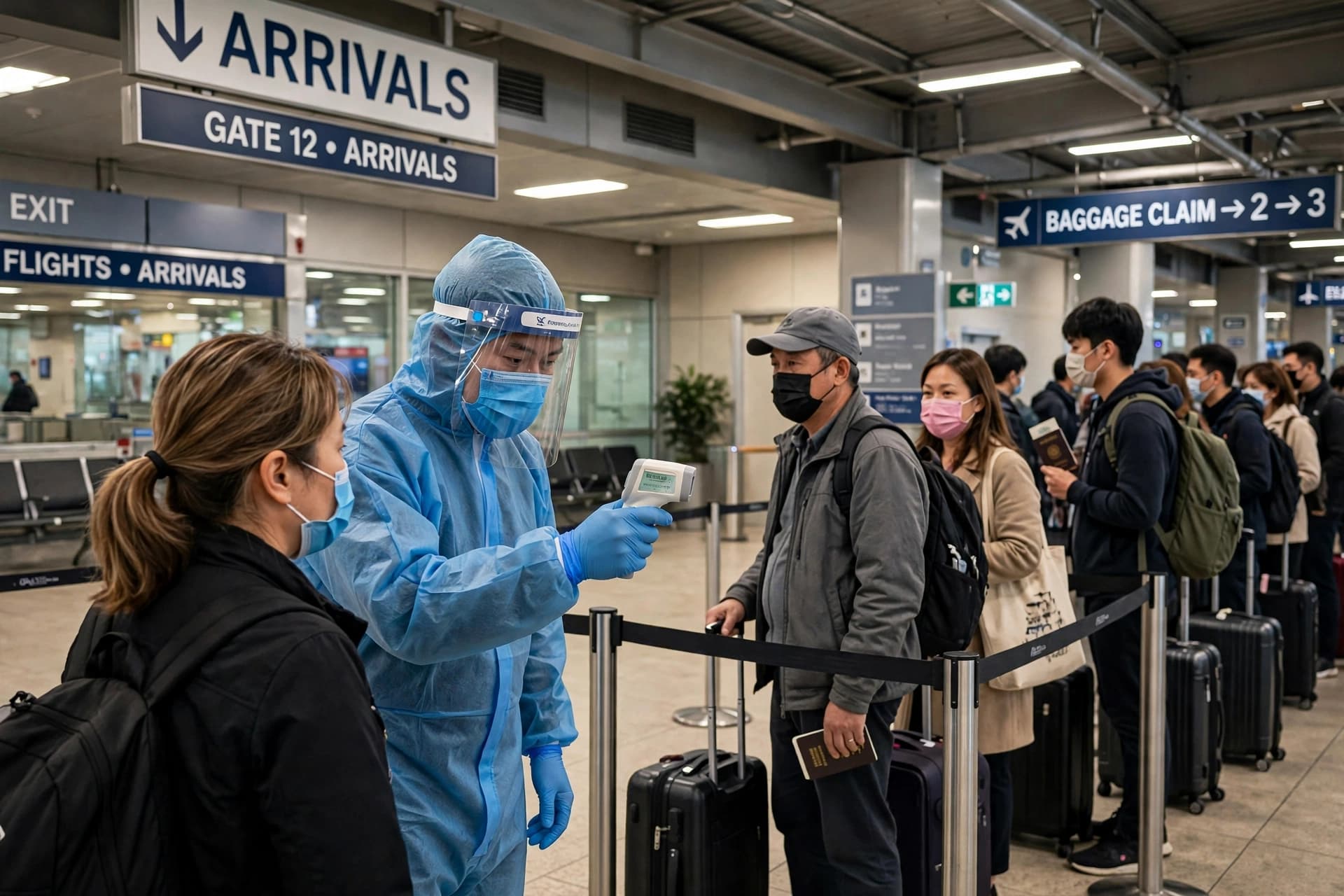
Evacuees are being advised to wear protective gear, including masks and gloves, to avoid inhaling harmful particles or coming into contact with contaminated surfaces. The cleanup process is complex and requires careful handling to ensure long-term health and safety. For many, this adds a layer of stress to an already emotional return, as they navigate the physical and emotional remnants of the disaster.
Local authorities have set up guidance centers to provide information and resources for returning residents. These hubs offer advice on safe cleanup practices, health monitoring, and available assistance programs. The support is crucial in helping communities rebuild not just their homes, but their sense of security and well-being.
The environmental impact of the fires extends beyond individual properties, affecting air quality and local ecosystems. Experts are monitoring these changes to assess long-term effects and recommend remediation strategies. The community’s health is a priority, with ongoing efforts to ensure that living conditions are safe and sustainable.
For families, the return is a mix of relief and anxiety. Seeing their homes standing is a victory, but dealing with the aftermath is a daunting task. Neighbors help each other, sharing tools and advice, reinforcing the bonds that were strengthened during the evacuation. This collective effort is a testament to the resilience of the human spirit.
As days pass, the focus shifts from immediate survival to gradual recovery. The process is slow, requiring patience and persistence. Yet, the determination of Spokane residents to rebuild is evident in every cleaned yard and repaired roof. It is a journey of restoration, both physical and emotional.
Spokane evacuees are back home, but the work of recovery continues amidst cautionary guidelines. The community’s resilience shines through as they navigate the complexities of post-fire safety, united in their goal to restore normalcy.
AI Image Disclaimer: Please be aware that images used in this context are AI-generated and are intended for illustrative purposes only.
Sources: The Spokesman-Review KREM 2 News KHQ Local News NBC Montana
Published by Banx Network. This article is part of the Banx decentralized media programme, powered by the BXE token on the XRP Ledger.