In the aftermath of natural disasters, silence often speaks louder than the chaos that preceded it. It is a heavy quiet, filled with the weight of loss and the uncertainty of survival. In Nepal, where devastating floods recently tore through communities, this silence was broken by a miracle. A woman, presumed dead by her grieving family, was rescued after spending ten days trapped beneath the rubble of her collapsed home. This extraordinary event is not just a story of survival; it is a testament to the resilience of the human spirit and the tireless dedication of rescue teams. It invites us to reflect on the fragile boundary between life and death, and the hope that persists even in the darkest moments.
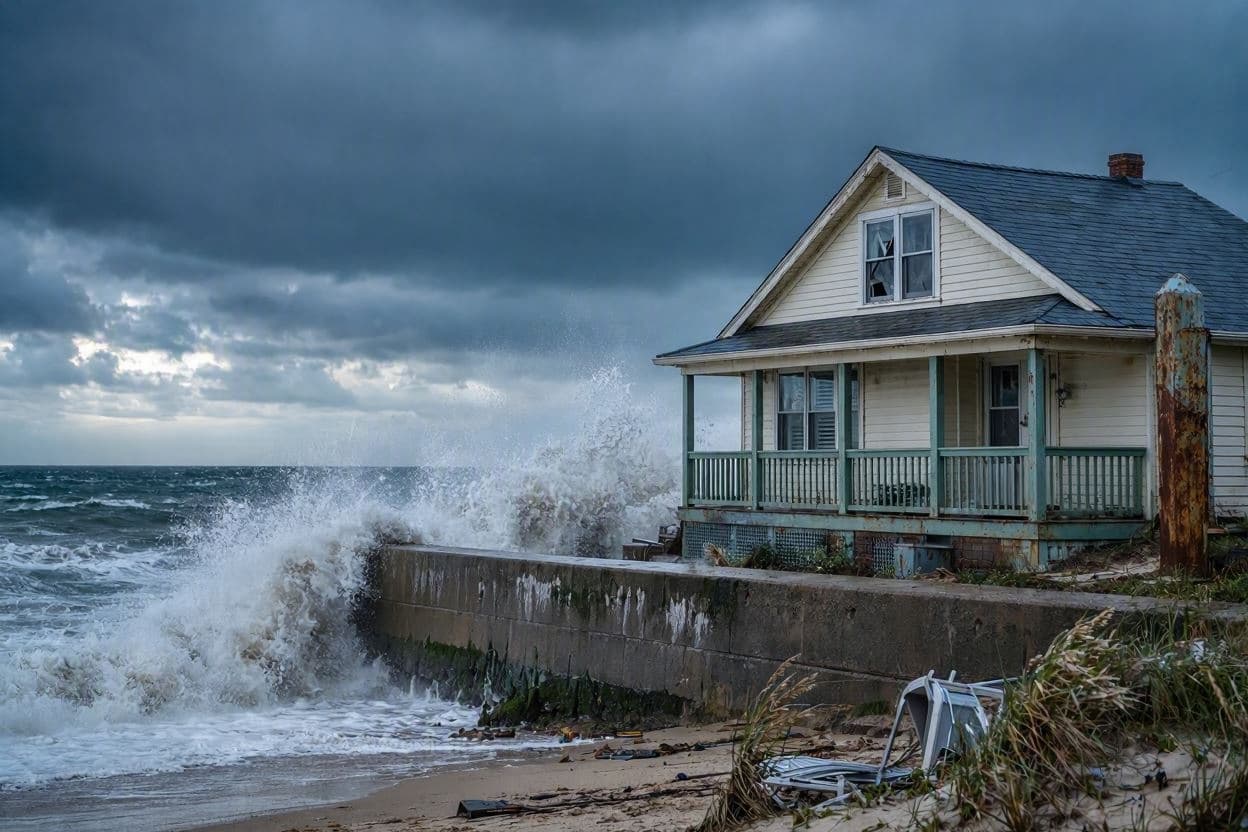
The floods in Nepal were catastrophic, sweeping away homes and lives with terrifying speed. In the village of Betrawati, the destruction was particularly severe, leaving behind a landscape of mud and debris. For the family of the rescued woman, the initial days were marked by sorrow and the painful ritual of mourning. Believing their loved one had perished, they began the traditional eleven-day mourning period, a cultural practice that honors the departed and helps the living process their grief.
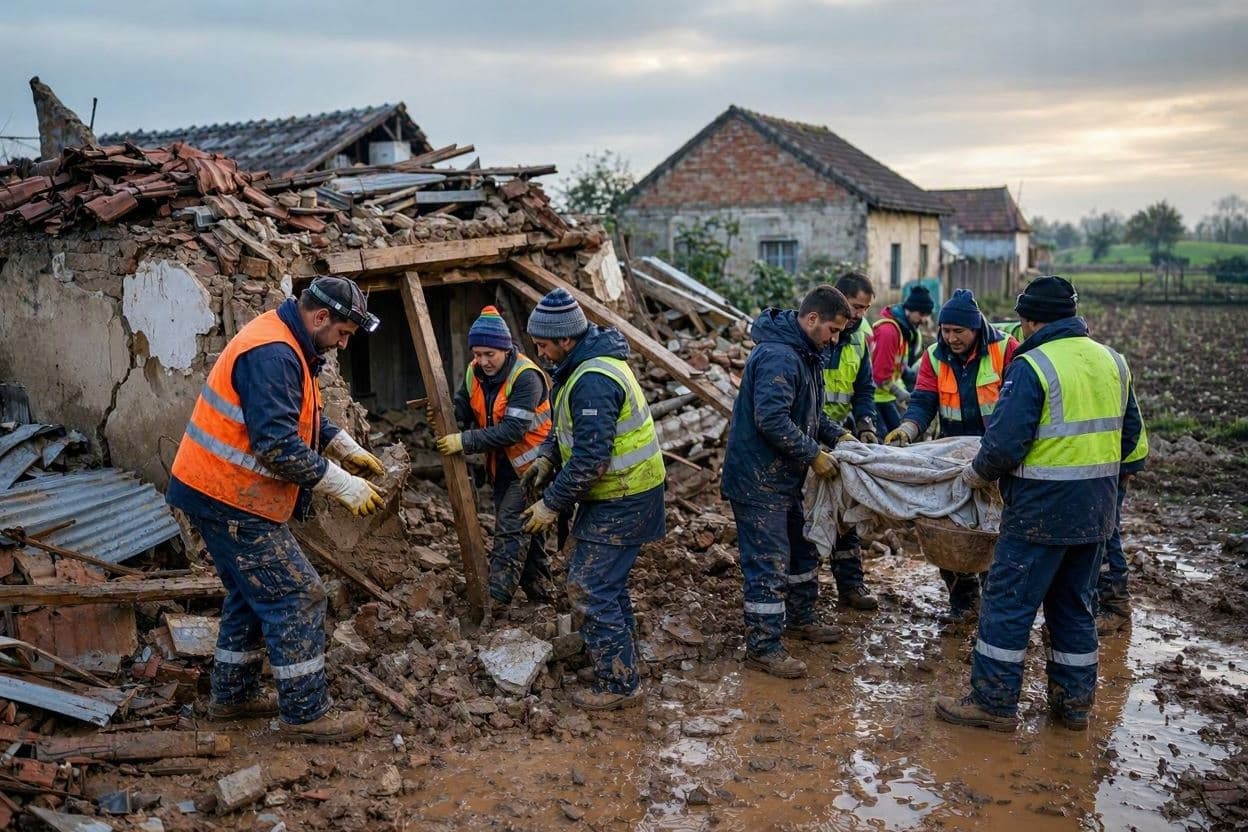
However, amidst the cleanup and recovery efforts, rescuers heard faint sounds coming from the ruins of a house. With careful precision, they dug through the heavy debris, driven by the slim possibility that someone might still be alive. After hours of painstaking work, they uncovered the woman, who had survived in a small pocket of air beneath the collapsed structure. Her discovery, ten days after the disaster, stunned the community and offered a beacon of hope in a time of profound sadness.
The woman, reported to be in her sixties, was found weak but conscious. Her survival defies medical odds, highlighting the incredible adaptability of the human body under extreme stress. Rescue workers immediately provided medical attention, hydrating and stabilizing her before transporting her to a hospital for further care. Her physical recovery will take time, but her mental fortitude has already inspired those around her.
For her family, the moment of reunion was overwhelming. The transition from mourning to celebration is emotionally complex, blending relief with the trauma of the near-loss. The cultural significance of interrupting the mourning period adds another layer to their experience, marking this event as not just a personal miracle but a communal one. Neighbors and relatives gathered to witness the reunion, sharing in the joy and disbelief of the outcome.
The rescue operation itself highlights the importance of local knowledge and perseverance. Rescue teams, often comprising local volunteers and professionals, worked tirelessly despite the difficult conditions. Their refusal to give up, even when hope seemed lost, underscores the value of thorough search efforts in disaster zones. This incident may influence future protocols, encouraging longer search windows in certain types of collapses.
The broader context of the Nepal floods reminds us of the increasing frequency of extreme weather events. Climate change contributes to more intense monsoons and landslides, posing significant risks to vulnerable communities. While this story ends in survival, many others do not. It serves as a poignant reminder of the need for better infrastructure, early warning systems, and disaster preparedness in the region.
As the woman recovers, her story spreads, offering comfort to other families waiting for news of missing loved ones. It reinforces the idea that hope should not be abandoned too soon. The resilience shown by both the survivor and the rescuers is a powerful narrative of endurance. It shows that even in the face of overwhelming natural forces, human determination can prevail.
The rescue of a woman trapped for ten days under her collapsed home in Nepal is a miraculous event. It highlights the resilience of survivors and the dedication of rescue teams. Let this story inspire hope and continued support for disaster relief efforts.
AI Image Disclaimer: Please note that any visual representations in this article are AI-generated illustrations created for conceptual clarity.
Sources: CBC News ABC News Channel News Asia
Published by Banx Network. This article is part of the Banx decentralized media programme, powered by the BXE token on the XRP Ledger.