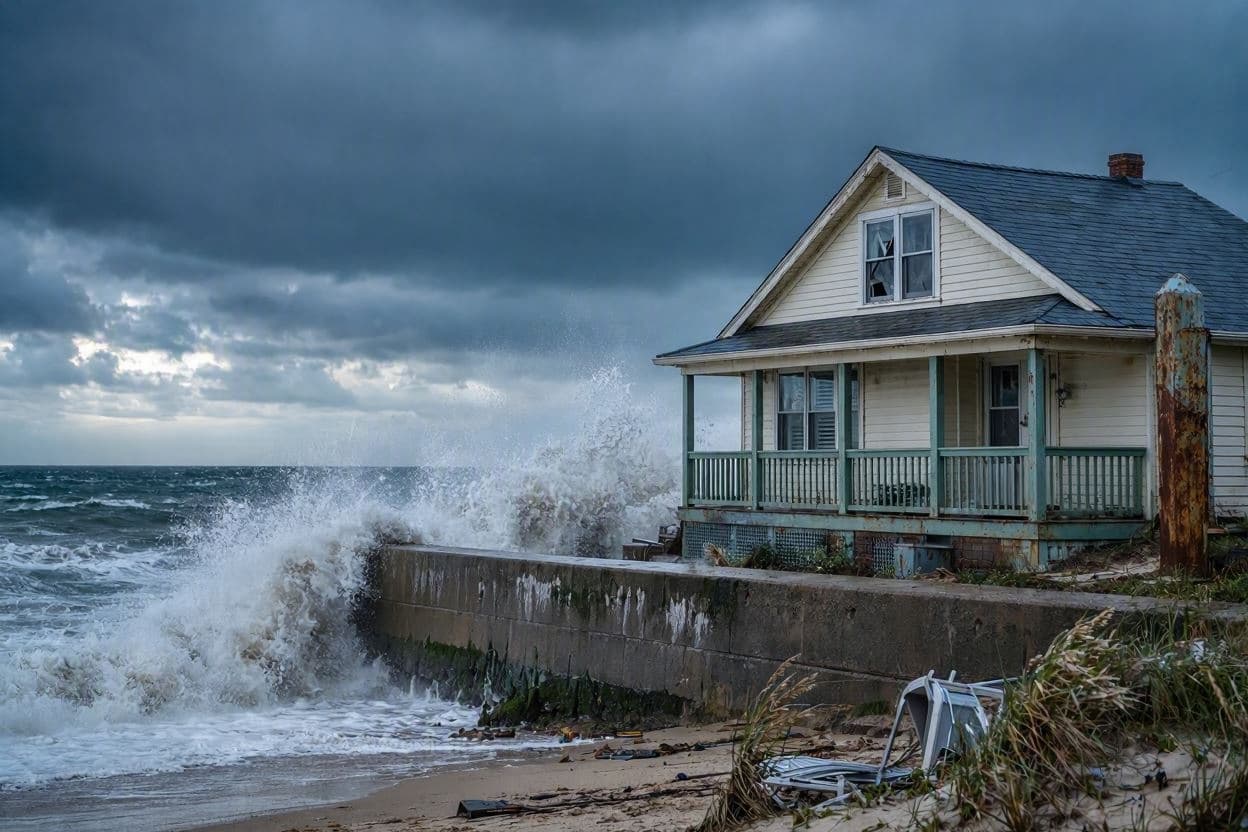
Hurricanes are rare visitors to California, making their arrival all the more startling and disruptive. When remnants of a tropical system bring monster waves to the Golden State’s coast, the usual defenses of the shoreline are tested like never before. Homeowners in affected areas have been forced to evacuate, leaving behind their possessions to the mercy of the surging sea. This event is a dramatic reminder of nature’s unpredictability and the power of water to reshape our world. It invites us to reflect on the humility required in the face of such forces and the importance of heeding warnings for our own safety.
The hurricane, though weakened by the time it reached California, generated swells of exceptional height and energy. These "monster waves" crashed into beachfront properties with devastating force, breaching walls and flooding interiors. The sound of the impact was described as thunderous, shaking the very foundations of the homes. For residents, the decision to evacuate was difficult but necessary, prioritizing life over property in the face of an overwhelming threat.
Emergency services coordinated the evacuations efficiently, ensuring that all residents in the danger zones were moved to safety. Shelters were opened, and volunteers provided assistance to those displaced. This organized response minimized the risk of injury or loss of life, demonstrating the effectiveness of preparedness plans. The community’s trust in these systems is vital during such crises.
The damage to the homes is extensive, with many structures suffering structural compromise. Saltwater intrusion poses additional challenges for cleanup and repair, as it can corrode materials and promote mold growth. Homeowners face a long and costly recovery process, navigating insurance claims and construction delays. The emotional toll of losing one’s home, even temporarily, is profound and lasting.
This event highlights the changing dynamics of coastal weather patterns. Climate change is linked to more intense storms and higher sea levels, increasing the risk of such occurrences even in regions not traditionally prone to hurricanes. Scientists and policymakers are studying these trends to improve forecasting and infrastructure resilience. Adaptation is becoming a key strategy for coastal communities.
For the evacuees, the immediate concern is shelter and basic needs. Community donations and support groups play a crucial role in providing comfort and resources. Neighbors help neighbors, sharing clothes, food, and information. This spirit of generosity is a beacon of hope in times of disaster, reinforcing the social bonds that hold communities together.
Media coverage has brought national attention to the plight of California’s coastal residents. Images of waves engulfing homes serve as a powerful visual narrative of climate vulnerability. This awareness can drive advocacy for environmental protection and disaster relief funding. It connects local experiences to global conversations about sustainability and safety.
As the storm passes and the waters recede, the assessment of damage begins. Engineers and inspectors will determine which homes can be repaired and which may need to be rebuilt or abandoned. These decisions are complex, involving financial, emotional, and regulatory considerations. The path forward is uncertain, but the community remains steadfast in its resolve to recover.
The evacuation orders will eventually be lifted, allowing residents to return and begin the work of restoration. The scars on the landscape will take time to heal, but the resilience of the people ensures that life will continue. The monster waves may have crashed, but they did not break the spirit of the community.
California homeowners evacuated as hurricane-driven waves damaged coastal properties. It underscores the need for vigilance and adaptation to extreme weather. Let us support those rebuilding their lives.
AI Image Disclaimer: Please be aware that images used in this context are AI-generated visualizations for illustrative purposes.
Sources: Los Angeles Times San Diego Union-Tribune National Weather Service
Published by Banx Network. This article is part of the Banx decentralized media programme, powered by the BXE token on the XRP Ledger.