
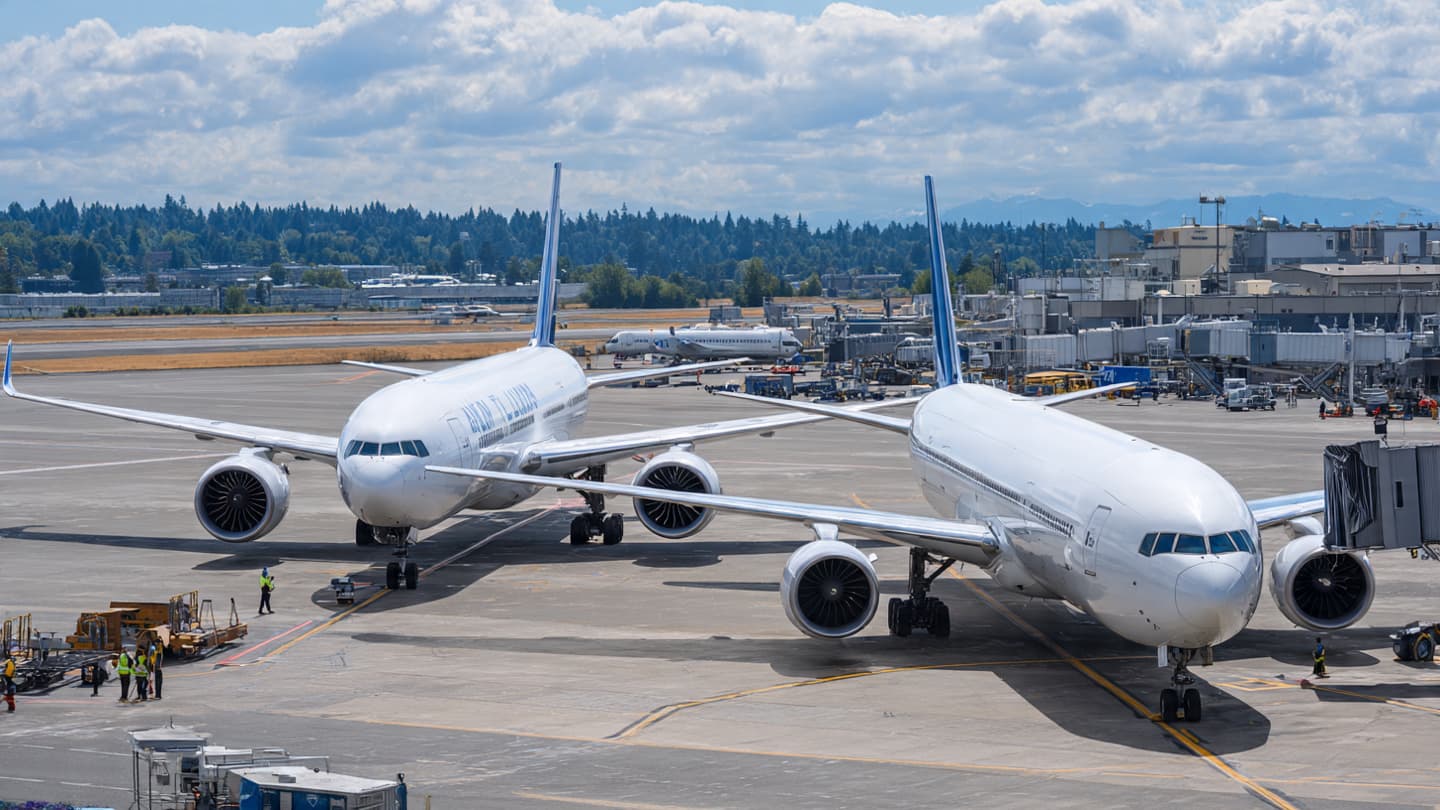
Key Highlights
- Fleet Modernization:Airlines are focusing on replacing older aircraft with newer models.
- Fuel Efficiency:Newer aircraft offer significant savings in fuel consumption.
- Sustainability Goals:Airlines are responding to environmental pressures with modern technology.
The aviation industry is undergoing a significant transformation as airlines worldwide prioritize fleet modernization. This shift is driven by the need to replace aging aircraft with newer models that offer enhanced performance and efficiency. According to Airbus, this trend is one of the most critical factors influencing future aircraft demand, alongside market expansion. Many airlines still operate planes that were introduced years or even decades ago, which, while reliable, do not match the advancements found in contemporary aircraft.
Fuel efficiency is a primary concern for airlines, as fuel costs constitute a substantial portion of their operating budgets. New aircraft equipped with advanced engines and improved aerodynamics can dramatically reduce fuel consumption. This reduction not only leads to cost savings but also becomes increasingly important during times of fluctuating energy prices. As airlines seek to optimize their operations, the financial benefits of modern aircraft become clear.
In addition to financial considerations, environmental objectives are reshaping purchasing decisions in the aviation sector. With growing scrutiny from governments, investors, and consumers regarding emissions, airlines are actively pursuing technologies that support sustainability initiatives. Airbus emphasizes that newer aircraft can significantly improve environmental performance compared to many older models still in service, helping airlines meet their sustainability goals while continuing to grow.
Passenger expectations have also evolved, with travelers placing a premium on comfort, connectivity, and reliability. Modern aircraft often feature quieter cabins, advanced onboard systems, and an overall enhanced travel experience. Airlines recognize that these attributes can provide a competitive edge in markets where customer satisfaction is paramount. As a result, the modernization of fleets is not just about replacing old planes; it is also about meeting the changing demands of passengers.
The implications of this modernization trend extend beyond individual airlines to the broader aerospace ecosystem. Manufacturers, suppliers, maintenance providers, and technology companies all stand to benefit from increased investment in new fleets. As airlines place orders for new aircraft and retire older models, activity across the supply chain tends to surge. This creates opportunities not only for major manufacturers like Airbus but also for numerous businesses that support the aviation industry.
Analysts note that various factors influence fleet renewal cycles, including financing conditions, regulatory requirements, and market demand. While the pace of aircraft replacement may vary among regions and carriers, the overarching trend remains significant. Many airlines are expected to continue investing in modernization as part of their long-term strategies. According to Airbus, the future of aviation growth will be shaped not only by the influx of new travelers but also by the replacement of existing fleets. Together, these dynamics are projected to generate substantial demand for aircraft in the coming decades, positioning modernization as both a response to current challenges and a strategic investment in the industry's future.
Published by Banx Network. This article is part of the Banx decentralized media programme, powered by the BXE token on the XRP Ledger.



