In the high valleys of the Himalayas, where the air is crisp and the mountains stand as eternal sentinels, life flows with the rivers that carve the land. But when the skies open with relentless fury, those same rivers can become agents of devastation. Nepal has recently endured such a tragedy, as catastrophic floods claimed at least 1,300 lives, leaving communities in deep sorrow. The declaration of a national day of mourning is a solemn gesture, a collective pause to honor the lost and to acknowledge the scale of the suffering. It is a moment that binds the nation in grief, reminding us of the fragility of human settlement in the face of natural power.
The floods were triggered by unprecedented monsoon rains, which saturated the soil and caused rivers to swell beyond their banks. Landslides compounded the disaster, burying homes and blocking roads in remote areas. The speed and intensity of the water left little time for evacuation, catching many families off guard. The toll of 1,300 lives is a staggering number, representing not just statistics but fathers, mothers, children, and elders whose stories have been abruptly cut short.
The government’s decision to observe a day of mourning allows the nation to process this immense loss. Flags fly at half-mast, and public activities are suspended as people gather to pray and remember. This shared ritual of grief is essential for healing, providing a space for communal support and solidarity. It acknowledges the pain of the bereaved and validates the magnitude of the disaster. In times of such profound loss, unity becomes a source of strength.
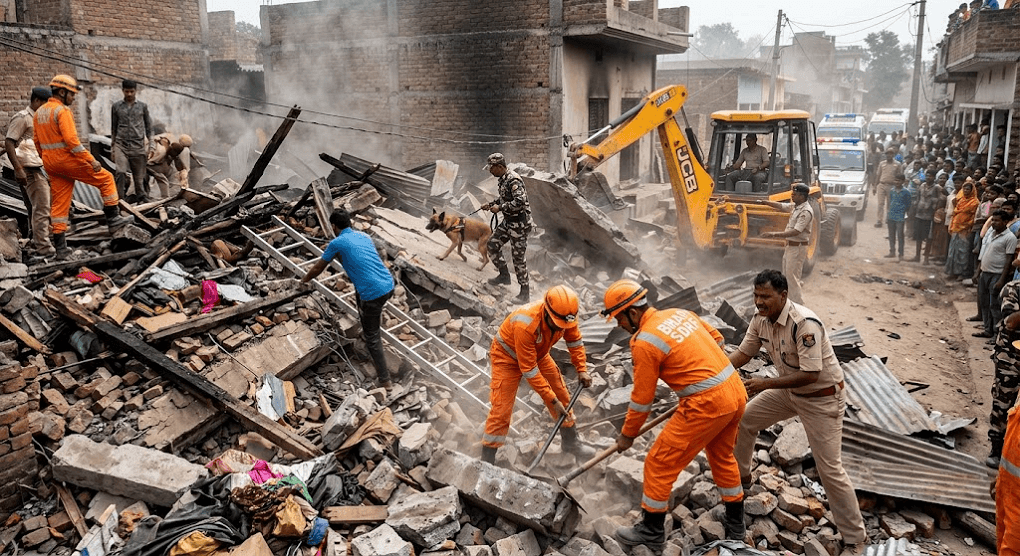
Rescue and relief efforts have been challenging due to the rugged terrain and damaged infrastructure. Emergency teams, including military personnel and volunteers, have worked tirelessly to reach isolated villages, delivering food, water, and medical supplies. Despite their heroic efforts, the scale of the destruction is overwhelming. Many survivors are left homeless, facing an uncertain future as they begin the long process of rebuilding their lives.
The disaster highlights the vulnerability of Nepal to climate-related events. As global temperatures rise, monsoon patterns are becoming more erratic and intense, increasing the frequency and severity of floods and landslides. Experts warn that such tragedies may become more common unless adaptive measures are implemented. This includes better early warning systems, improved infrastructure, and sustainable land management practices.
International aid has poured in, with neighboring countries and global organizations offering support. This outpouring of compassion underscores the shared humanity that transcends borders. However, the long-term recovery will require sustained investment and cooperation. Rebuilding is not just about restoring buildings but about creating resilient communities that can withstand future shocks. It is a task that demands patience, resources, and collective will.
For the families of the victims, the day of mourning is a personal and painful milestone. It is a time to remember the laughter, the dreams, and the presence of those who are gone. Grief is a heavy burden, but sharing it can lighten the load. Community leaders and religious figures play a crucial role in guiding people through this period, offering comfort and hope amidst the despair.
As Nepal moves forward, the memory of those lost will remain a powerful motivator for change. The disaster serves as a stark reminder of the need to respect nature and to prepare for its unpredictability. By learning from this tragedy, the nation can build a safer and more secure future. The day of mourning is not just an end, but a beginning of a renewed commitment to resilience and care.
The national day of mourning in Nepal honors the 1,300 lives lost to devastating floods. It is a time for reflection, solidarity, and a commitment to building a more resilient future. Let us hold space for this grief and hope.
AI Image Disclaimer: The visuals accompanying this piece are AI-generated interpretations intended for illustrative purposes only.
Sources: The Kathmandu Post Al Jazeera Reuters
Published by Banx Network. This article is part of the Banx decentralized media programme, powered by the BXE token on the XRP Ledger.