In the lush landscapes of Uganda, where community bonds are strong and resilience is a way of life, a significant milestone has been reached. Health authorities have officially declared the end of the recent Ebola outbreak, marking the conclusion of a period of intense vigilance and coordinated response. The declaration comes after 42 days—two incubation periods—without any new confirmed cases, a standard benchmark for declaring an outbreak over. For the families affected and the healthcare workers who served on the front lines, this news brings a sense of relief and closure. It is a testament to the power of collective action and international cooperation.
The end of the outbreak serves as a reminder of the ongoing challenges of infectious diseases. It invites reflection on the importance of preparedness and the strength of public health systems.
Body: The outbreak, caused by the Sudan ebolavirus, was first detected in early 2025. It resulted in a limited number of cases and deaths, thanks to swift identification and isolation measures. The Ugandan Ministry of Health, supported by partners such as the World Health Organization (WHO) and the Centers for Disease Control and Prevention (CDC), implemented rigorous contact tracing, testing, and vaccination campaigns.
Healthcare workers played a crucial role in containing the virus. Their dedication, often at personal risk, ensured that patients received timely care and that transmission chains were broken. Training in infection prevention and control was expanded, strengthening the capacity of local facilities to handle future threats.
Community engagement was equally vital. Local leaders and volunteers helped disseminate accurate information, combating misinformation and stigma. Safe burial practices, which are critical in preventing Ebola transmission, were adopted with cultural sensitivity and respect. This collaboration built trust and encouraged people to seek help early.
Vaccination efforts targeted high-risk groups, including healthcare workers and contacts of confirmed cases. The use of experimental vaccines, deployed under emergency protocols, provided an additional layer of protection. Research into more widely available vaccines continues, offering hope for better tools in the future.
The economic impact of the outbreak was mitigated by rapid response. While some local businesses faced temporary disruptions, the swift containment prevented wider spread and prolonged lockdowns. International support, including financial and technical aid, helped stabilize the situation and support affected communities.
Surveillance remains active even after the declaration. Health officials continue to monitor for any potential resurgence, ensuring that any new cases are detected immediately. This sustained vigilance is essential for maintaining public confidence and safety.
The successful management of this outbreak highlights Uganda’s experience and expertise in dealing with Ebola. Having faced previous outbreaks, the country has developed robust protocols and a resilient health workforce. This experience serves as a model for other nations facing similar challenges.
As life returns to normal, the focus shifts to recovery and strengthening health systems. Investments in infrastructure, training, and research will help ensure that Uganda is better prepared for future health emergencies.
Closing: Uganda’s declaration of the end of the Ebola outbreak marks a victory for public health and community resilience. It invites continued investment in preparedness and global health security.
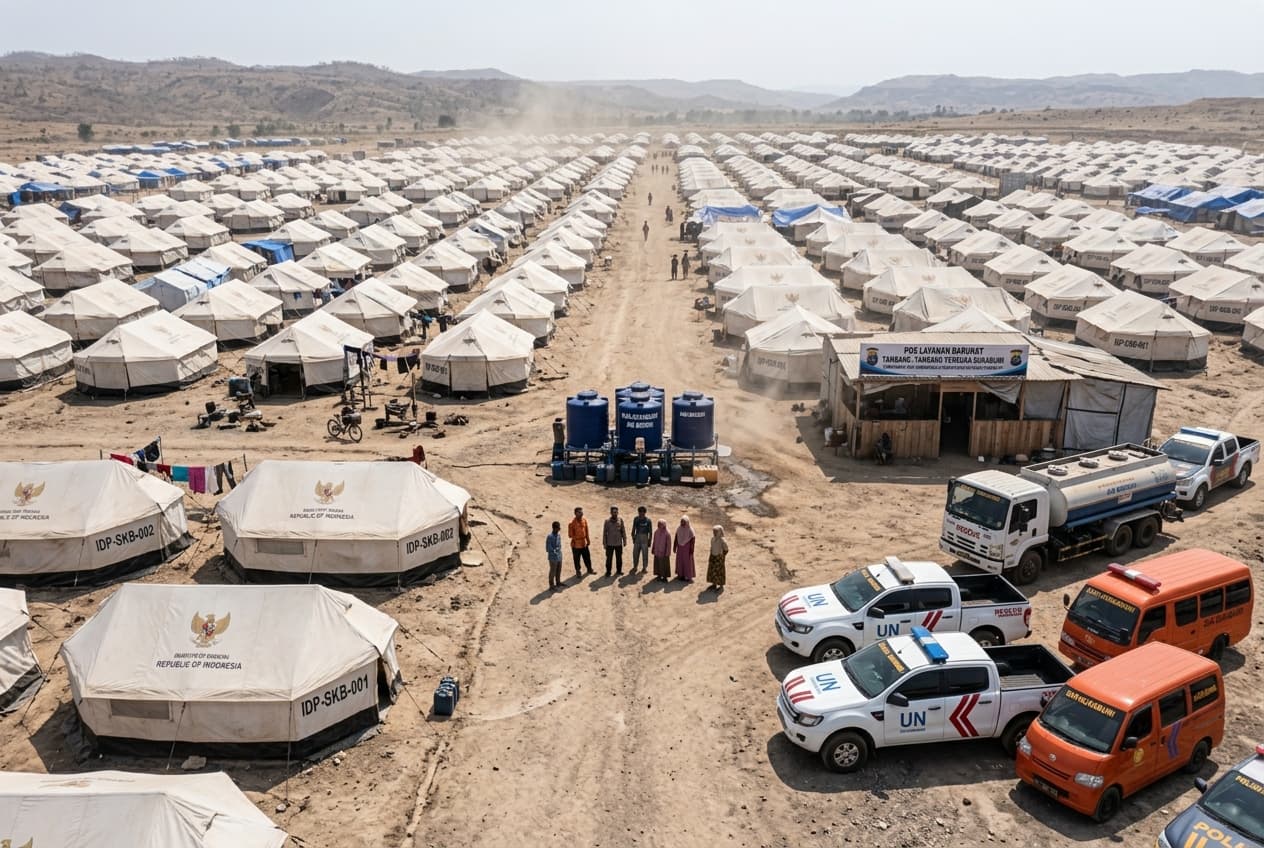
AI Image Disclaimer: Images used in this report are AI-generated depictions intended to illustrate the themes of public health success and community resilience.
Sources: World Health Organization (WHO) Uganda Ministry of Health CDC Reuters
Published by Banx Network. This article is part of the Banx decentralized media programme, powered by the BXE token on the XRP Ledger.