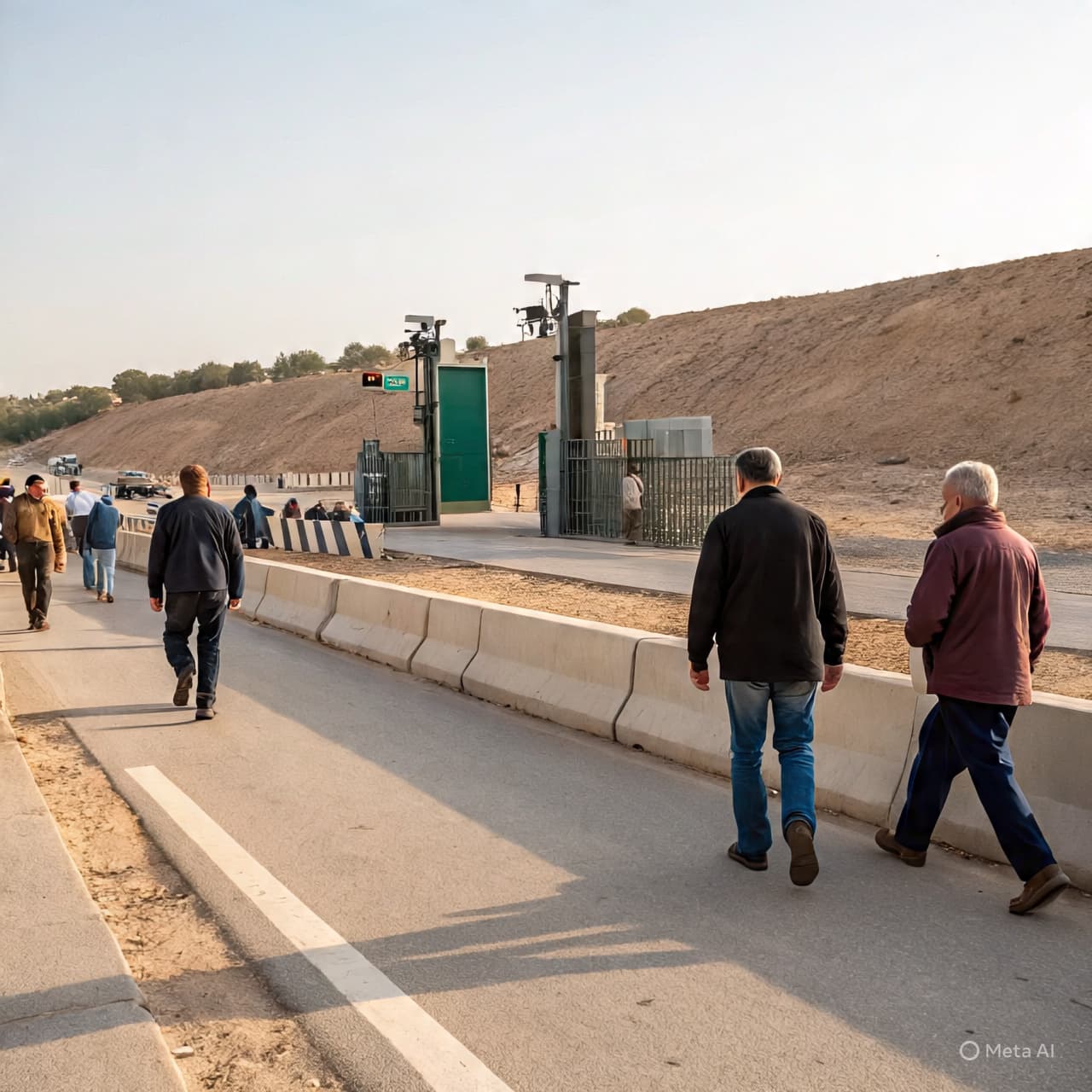
Diplomatic language often moves carefully, shaped as much by caution as by conviction. Yet at moments of rising tension, statements from regional powers can carry the weight of a broader political mood. This week, Saudi Arabia and seven other Islamic countries issued a joint condemnation of what they described as Israel’s expansionist and illegal policies in the occupied West Bank, reflecting growing concern across the region about developments on the ground.
The statement comes as the situation in the West Bank remains under close international scrutiny. In recent months, settlement activity, land designations, and administrative decisions affecting Palestinian communities have drawn criticism from multiple governments and international organizations. Many countries, including European states and the United Nations, have long maintained that Israeli settlements in the occupied territories violate international law, a position Israel disputes.
For Saudi Arabia and its partners, the joint message signals both political alignment and strategic intent. The Kingdom has increasingly positioned itself as a central diplomatic actor in regional affairs, balancing security concerns, economic transformation, and shifting geopolitical relationships. While discussions about potential normalization between Saudi Arabia and Israel have surfaced periodically, the latest condemnation underscores that the Palestinian issue remains a core political and public concern across much of the Islamic world.
The broader regional context also shapes the timing. The war in Gaza, heightened security operations in the West Bank, and rising settler–Palestinian tensions have deepened fears of further instability. Governments across the Middle East face domestic audiences closely attuned to developments in Palestinian territories, making public diplomatic positions both a matter of foreign policy and internal political sensitivity.
The joint statement also reflects a wider effort among Islamic and Arab states to present a coordinated diplomatic front. Such collective messaging is intended to reinforce international attention and encourage renewed political engagement around the long-stalled two-state framework, which many governments continue to view as the only viable long-term solution.
Israel, for its part, has consistently argued that security concerns, historical claims, and the absence of a reliable negotiating partner complicate territorial questions. Israeli officials have also emphasized that final borders and the status of settlements should be determined through direct negotiations rather than international pressure.
The exchange of statements highlights the enduring nature of one of the world’s most persistent conflicts. Despite periodic diplomatic initiatives and shifting regional alliances, the core issues—territory, sovereignty, security, and political recognition—remain unresolved.
As international attention moves between crises, the West Bank continues to shape regional diplomacy in quieter but consequential ways. The latest condemnation does not change realities on the ground, but it signals that for many governments, the question of Palestinian statehood and territorial integrity remains central to the political landscape of the Middle East.
Whether such coordinated pressure leads to renewed diplomatic momentum remains uncertain. For now, the statements serve as a reminder that even as the region evolves economically and strategically, the unresolved geography of the West Bank continues to influence alliances, public opinion, and the prospects for long-term stability.
Published by Banx Network. This article is part of the Banx decentralized media programme, powered by the BXE token on the XRP Ledger.