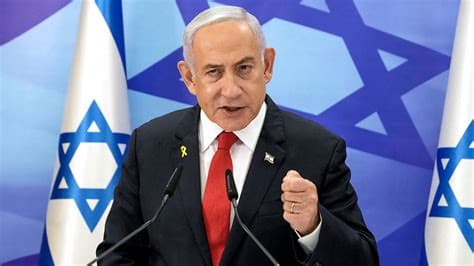
On the first day of his tenure as New York City mayor, Zohran Mamdani moved swiftly to dismantle several policies championed by his predecessor — including a key framework widely used to address and define antisemitism. In one of his earliest executive actions, Mamdani revoked the city’s adoption of the International Holocaust Remembrance Alliance (IHRA) working definition of antisemitism, a standard embraced by governments and institutions around the world to help identify and address contemporary antisemitism.
The IHRA definition includes examples that recognize how antisemitism can sometimes overlap with rhetoric targeting Israel — for instance when denying Jewish people the right to self‑determination or labeling the existence of the State of Israel as racist. Critics argue this clarity helps law enforcement, schools, and civic institutions distinguish between protected political speech and discriminatory conduct; supporters have adopted it in policy, training, and incident reporting.
Mamdani’s sweeping revocation came as part of a broader rejection of executive orders issued by former Mayor Eric Adams after late 2024 — among them an order that had formally aligned New York City with the IHRA standard and another that barred city officials from participating in the Boycott, Divestment and Sanctions (BDS) movement.
The move has drawn sharp criticism from Israeli officials and Jewish advocacy groups, including Israel’s foreign ministry, which described the decision as adding “antisemitic gasoline on an open fire” and undermining efforts to combat rising hostility. Some local Jewish leaders argued the IHRA definition provided valuable tools for identifying and responding to discrimination.
Mamdani and his allies, however, defended the change as a necessary step to protect free speech and political discourse, contending that the IHRA definition conflates legitimate criticism of Israeli government policies with antisemitism. They also pledged to retain the city’s Office to Combat Antisemitism, asserting that combating hate remains a priority even without the IHRA framework in place.
As the debate unfolds, supporters of the revocation describe it as part of a fresh start for a mayor whose political identity is rooted in advocacy for civil liberties and balanced discourse. Detractors warn that removing a widely accepted definition may make it more difficult for institutions to address antisemitic conduct, particularly at a time when incidents in New York and across the U.S. remain concerning to community watchdogs.
AI Image Disclaimer “Illustrations were produced with AI and serve as conceptual depictions.” Sources The Times of Israel The Guardian Israel National News The Jewish Chronicle
Published by Banx Network. This article is part of the Banx decentralized media programme, powered by the BXE token on the XRP Ledger.