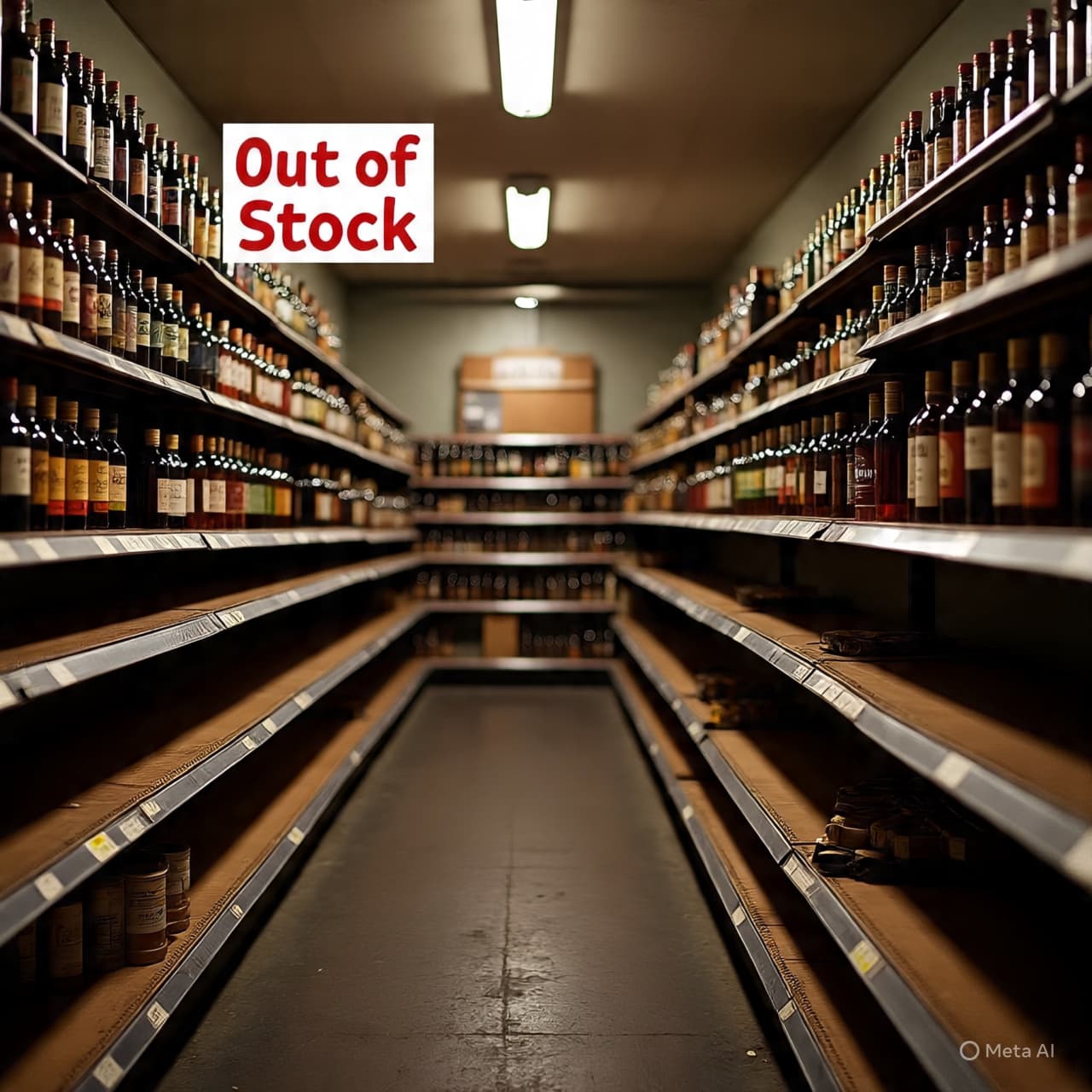
Across much of Canada, from Ontario to British Columbia, and in provinces such as Nova Scotia, Saskatchewan and Newfoundland and Labrador, shelves that once carried U.S.-made spirits, wines and beers are being cleared — part of a coordinated response to new tariffs imposed by the United States on Canadian goods.
In one of the largest markets, the provincial agency Liquor Control Board of Ontario (LCBO) announced it would permanently stop selling and wholesaling U.S.-origin alcohol — some 3,600 products that had contributed nearly a billion dollars annually. The effect was immediate: shelves were cleared out, and the familiar labels of American whiskey, bourbon, cider and more simply vanished.
Farther west, the provincial government in British Columbia (BC) first targeted liquors from U.S. “red states,” then extended the ban to cover all U.S.-made alcohol, including beer and wine. Meanwhile, provinces such as Manitoba, Saskatchewan, Nova Scotia, Newfoundland and Labrador, and smaller territories have followed suit — halting new orders of U.S. alcohol and removing existing items from their state-controlled liquor networks.
The consequences have rippled through the market. According to the industry group Spirits Canada, sales of U.S. spirits plunged by more than 66% in the weeks following the March delistings, with total spirits sales in Canada dropping over 12%. In Ontario, the drop was even steeper: U.S. spirits sales reportedly fell about 80%.
Manufacturers on the American side felt the shock too. The CEO of Brown-Forman — maker of the iconic Jack Daniel's — called the removal “worse than a tariff,” arguing that wiping products from shelves entirely undermines business relationships and punishes producers for policy choices they don’t control.
But for many Canadian producers and retailers, the vacuum has opened room for domestic and non-American alternatives. In BC, some local wineries and distilleries noted rising demand as American products disappeared. Smaller alcohol vendors and craft distillers say customers are asking more often for home-grown labels. However, industry observers warn that substitution has limits — bourbon or certain U.S.-imported whiskies, for example, are not easily replicated by Canadian producers, and price and availability pressures may grow.
The decision also reflects more than economics. Many Canadians view the move as patriotic — a quiet, everyday refusal of foreign pressure, and a demonstration of solidarity amid trade tensions. As one BC official put it, the choice was both political and symbolic: “If the president is so interested in Canadian water,” he said of past U.S. threats, “then we’re going to help him out by letting him keep his watery beer.”
AI Image Disclaimer: “Visuals are created with AI tools and are not real photographs.”
Sources (media names): Reuters; The Guardian; Spirits Canada industry reports; Halifax City News; The Canadian Press.
Published by Banx Network. This article is part of the Banx decentralized media programme, powered by the BXE token on the XRP Ledger.