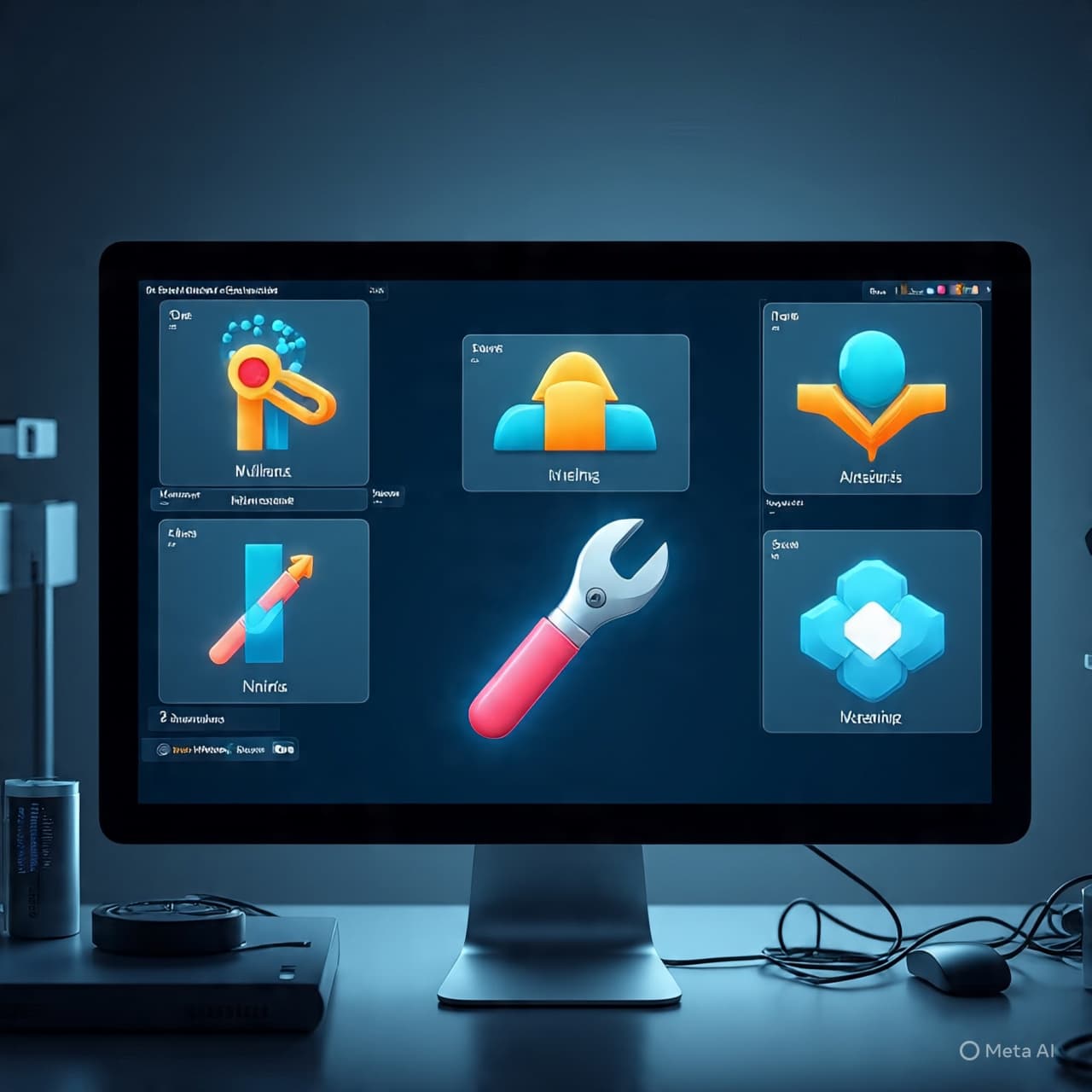
In the quiet way that technology often reshapes itself, change does not arrive with a trumpet but with a rearranged room. Tools move closer to the door, familiar objects find new shelves, and what was once hidden in a corner now catches the eye. This is how progress often announces itself — not as a disruption, but as a gentle invitation to look again.
Google’s recent reorganization of its Gemini tools follows this softer rhythm. Rather than introducing an entirely new system, the company has shifted how its artificial intelligence features are presented, bringing experimental tools to the forefront while keeping established functions within reach. The move reflects a subtle recalibration of priorities, one that encourages curiosity while acknowledging that innovation is rarely finished.
Gemini, Google’s flagship AI platform, has evolved rapidly since its launch, expanding from a conversational assistant into a broader ecosystem of creative, analytical, and productivity tools. With the latest update, Google has grouped experimental features into clearer categories, signaling which tools are still being tested and which are more refined. The effect is less about novelty and more about transparency — offering users a clearer sense of what they are exploring and what remains in flux.
These experimental features include advanced reasoning tools, creative writing and image-generation capabilities, and early-access integrations designed to test how AI can better support daily tasks. By highlighting them more prominently, Google appears to be inviting users into the development process itself, framing experimentation as a shared journey rather than a closed laboratory.
There is also a practical dimension to the change. As AI platforms grow more complex, clarity becomes essential. Reorganizing Gemini’s interface helps reduce friction for users who may feel overwhelmed by expanding toolsets. It suggests an understanding that innovation must be guided gently, especially as artificial intelligence becomes woven into everyday routines.
At the same time, the reorganization underscores a broader industry trend. Technology companies are increasingly balancing speed with responsibility, signaling which features are still learning and which are ready to be relied upon. In this way, Gemini’s new layout acts almost like a map — marking well-traveled roads alongside paths still being explored.
As Google continues to refine Gemini, the company has emphasized that user feedback will shape how these experimental tools evolve. The reorganization does not finalize the platform’s direction so much as leave it deliberately open, allowing room for adjustment, learning, and growth.
In the end, Google’s update is less a declaration than a quiet repositioning. Gemini remains a work in progress, and its new structure reflects an ongoing conversation between technology and the people who use it — one that continues, thoughtfully and without haste.
AI Image Disclaimer (Rotated Wording) “Visuals are created with AI tools and are not real photographs.”
Sources (media names only):
Reuters The Verge TechCrunch Bloomberg CNBC
Published by Banx Network. This article is part of the Banx decentralized media programme, powered by the BXE token on the XRP Ledger.