In the quiet hush of an early morning, the world seems soft and unchanging. Yet beneath that calm surface, unseen forces have been at work helping our elders carry the seasons of their lives with a little more strength, a little more resilience. Like gentle rain nourishing roots that have weathered many years, vaccines are quietly fortifying older bodies in ways science is only beginning to fully appreciate.
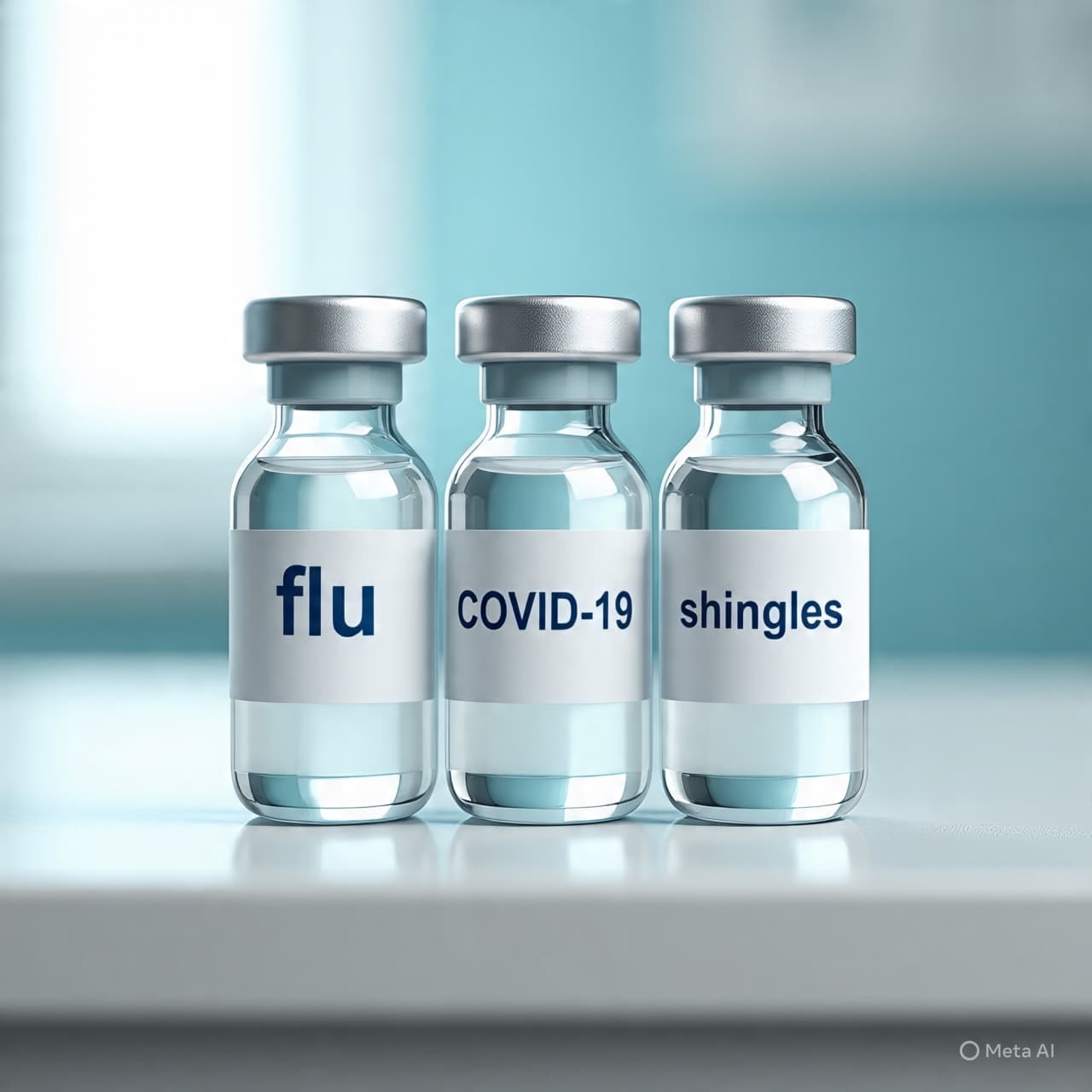
For decades, vaccines have stood as a shield against specific diseases flu, COVID-19, pneumonia, RSV—but emerging research reveals their gifts may extend beyond the obvious. Recent studies suggest that regular immunizations can ease not only the immediate dangers of infection but also long-term threats that tend to accumulate with age. For example, data show that annual flu shots are linked with lower risks of hospitalization, heart attack, and stroke among older adults, hinting at a benefit that reaches into the heart and arteries themselves.
More surprising still are findings tying vaccines to cognitive health. Research indicates that shingles vaccines may help reduce the risk of dementia, offering a gentle safeguard for the mind as well as the body. Meanwhile, respiratory vaccines like those for COVID-19, RSV, and influenza continue to decrease severe illness, hospital visits, and deaths among adults over 65 reminding us that immunity in later life remains vital.
Yet despite these layered benefits, vaccination rates among older adults lag behind where they could be. Even with clear evidence that immunization keeps many seniors healthier through each passing season, hesitancy or access issues mean millions remain without the protection and added quality of life these medical tools can offer.
In this light, vaccines emerge not merely as preventers of illness but as partners in the gentle art of aging well guards at the gate of frailty, subtle stewards of heart and mind. The larger lesson may be that protection, like care itself, often works quietly in the background, becoming visible most clearly when we reflect on its absence.
As health authorities continue to recommend immunizations for older adults and update guidance based on the latest science, the message remains steady: vaccination is a valuable choice for aging individuals seeking to protect not only against the diseases of today but also the challenges of tomorrow.
AI Image Disclaimer “Visuals are created with AI tools and are not real photographs.”
Sources (Media Names Only)
The New York Times — reporting new evidence on broader benefits of vaccines for older adults. Scientific American — analysis of respiratory vaccines reducing severe illness and hospitalizations in older adults. WHO (World Health Organization) coverage on adult vaccination importance. NCIRS (National Centre for Immunisation Research and Surveillance) study on COVID boosters and mortality in older populations. Johns Hopkins Bloomberg School of Public Health — vaccines may reduce heart attack, stroke, and dementia risk.
Published by Banx Network. This article is part of the Banx decentralized media programme, powered by the BXE token on the XRP Ledger.