The rhythmic clatter of trains against steel tracks has long been the soundtrack of British Columbia’s vast landscape, connecting remote communities and driving commerce. Yet, beneath this familiar hum lies a growing tragedy that has gone largely unnoticed by the broader public. In 2026, the number of deaths involving railways in the province has doubled, prompting the chief coroner to issue a stark warning about an "alarming" trend. This surge in fatalities is not merely a statistical anomaly but a profound human crisis, demanding urgent attention and collective action to safeguard lives.
The increase in railway-related deaths spans various circumstances, including trespassing, accidents at crossings, and incidents involving individuals experiencing mental health crises or homelessness. Rail corridors, often seen as shortcuts or secluded spaces, can become deadly traps for those unaware of the speed and silence of modern freight trains. The coroner’s report highlights that many of these deaths are preventable, suggesting that systemic gaps in safety infrastructure and public awareness are contributing factors. It is a sobering reminder of the invisible dangers that coexist with our daily routines.
For the families left behind, the loss is compounded by the sudden and often traumatic nature of these incidents. Grief is intertwined with questions of why and how, seeking answers in a system that moves relentlessly forward. Community advocates argue that more must be done to support vulnerable populations who may find themselves near rail lines. Addressing the root causes, such as housing insecurity and mental health support, is as crucial as physical barriers. Safety is not just about fences; it is about care.
Railway companies have emphasized their commitment to safety, citing ongoing investments in technology and education. However, critics argue that these measures have not kept pace with the changing dynamics of urban growth and social vulnerability. The expansion of residential areas near rail corridors has increased the likelihood of interactions between people and trains. Urban planning must evolve to prioritize separation and visibility, ensuring that communities can thrive without living in the shadow of potential disaster.
Public awareness campaigns play a vital role in prevention, yet their reach is often limited. Many residents underestimate the danger, believing they can hear or see a train in time to react. In reality, freight trains can travel at high speeds and require significant distances to stop. Education efforts need to be targeted and persistent, reaching schools, community centers, and vulnerable groups. Knowledge is a shield, but only if it is widely shared and understood.
The coroner’s warning serves as a call to action for policymakers, railway operators, and community leaders. Collaborative strategies are needed to address both the physical and social aspects of railway safety. This includes improving signage, enhancing lighting at crossings, and increasing patrols in high-risk areas. It also involves working with social services to provide alternatives for those who frequent rail lines due to lack of other options. A holistic approach is essential for lasting change.
As the year progresses, the hope is that this alarming trend will reverse. Each death represents a life cut short, a story unfinished. By acknowledging the severity of the issue and committing to comprehensive solutions, British Columbia can work toward a safer future. The tracks should remain arteries of connection, not sites of sorrow. Vigilance and compassion must guide the way forward.
In the end, the doubling of railway deaths in 2026 is a tragic milestone that cannot be ignored. It challenges us to look beyond the statistics and see the human cost. Through coordinated effort and sustained attention, we can honor those lost by preventing future tragedies. The journey toward safety is continuous, requiring the dedication of all who share the landscape.
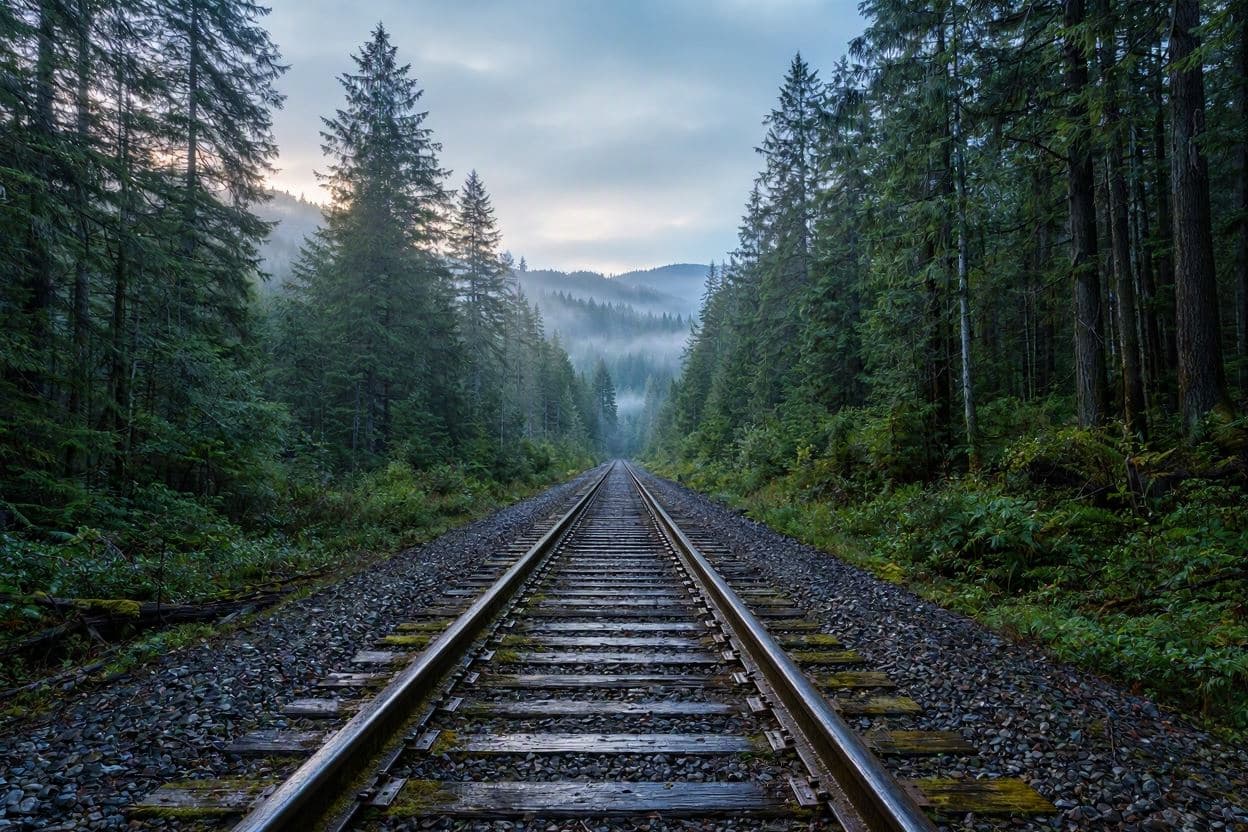
AI Image Disclaimer: The visual representations included here are AI-generated illustrations designed to depict railway landscapes and safety themes, not actual photographs of specific incidents or locations in British Columbia.
Sources: CBC News Global News
Published by Banx Network. This article is part of the Banx decentralized media programme, powered by the BXE token on the XRP Ledger.